
Essential Guide to VPS Hosting for E-commerce Success
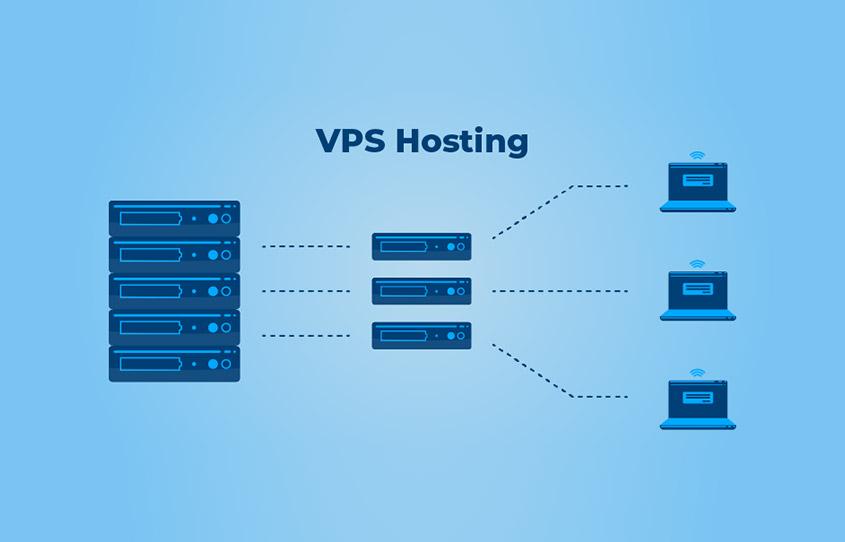
In today’s digital landscape, where every second counts and competition is fierce, the choice of hosting can make or break an e-commerce business. As online retailers grapple with growing traffic demands and the need for seamless customer experiences, Virtual Private Server (VPS) hosting has emerged as a vital solution. This essential guide to VPS hosting is designed to illuminate the advantages, features, and best practices that can propel your e-commerce venture to new heights. By understanding the unique capabilities of VPS hosting—such as enhanced performance, improved security, and greater control—you’ll be well-equipped to make informed decisions that align with your business goals. Whether you’re just starting out or looking to scale your existing operations, join us as we explore how VPS hosting can be the cornerstone of your e-commerce success.
Table of Contents
- Choosing the Right VPS Hosting Plan for Your E-commerce Store
- Key Features of VPS Hosting That Drive E-commerce Performance
- Optimizing Your VPS for Speed and Security in Online Retail
- Common VPS Hosting Pitfalls to Avoid for E-commerce Success
- Future Outlook
Choosing the Right VPS Hosting Plan for Your E-commerce Store
When selecting a VPS hosting plan for your e-commerce store, it’s essential to consider several key factors to ensure you make the right choice. First and foremost, assess your current and future traffic. Evaluate the expected number of visitors, peak traffic times, and potential growth. This foresight can guide you in choosing a plan that offers scalable resources to accommodate your needs without experiencing downtime or slow loading speeds. Additionally, look for features such as SSD storage, which significantly enhances the performance of your online business by speeding up data retrieval times.
Another crucial aspect is the technical specifications of the VPS plans you are considering. Focus on the following elements when comparing different options:
- CPU and RAM: Ensure your plan has ample processing power and memory to handle transactions swiftly and efficiently.
- Bandwidth: Check if the plan offers sufficient bandwidth to support maximum traffic, especially during promotions or sales.
- Security: Look for built-in security features like DDoS protection and SSL certificates to safeguard customer data.
| Plan Features | Basic | Advanced | Pro |
|---|---|---|---|
| RAM | 2 GB | 4 GB | 8 GB |
| CPU Cores | 1 vCPU | 2 vCPUs | 4 vCPUs |
| Storage Type | HDD | SSD | SSD |
| Bandwidth | 100 GB | 200 GB | Unlimited |
By carefully evaluating these aspects and aligning them with your business goals, you can select a VPS hosting plan that not only meets your immediate requirements but also supports your e-commerce ambitions long-term.
Key Features of VPS Hosting That Drive E-commerce Performance
VPS hosting offers a range of features that significantly enhance the performance of e-commerce websites, ensuring faster load times and improved user experiences. One of the standout advantages is the dedicated resources, which means that your website will have its own share of CPU, RAM, and storage. This isolation prevents the performance fluctuations often experienced with shared hosting, making it ideal for businesses encountering varying levels of traffic. Moreover, VPS hosting enables custom server configurations, allowing businesses to tailor settings specifically to their e-commerce platform’s requirements, ultimately promoting optimal performance.
Another key aspect is scalability, as VPS hosting plans can easily adapt to the growing needs of an e-commerce store. When experiencing significant traffic spikes during sales events or seasonal promotions, businesses can upgrade their resources without technological constraints or downtime. Additionally, enhanced security features, such as dedicated firewalls and regular security updates, ensure that sensitive customer data is protected, fostering trust and credibility. With these elements combined, VPS hosting not only supports robust operational capabilities but also positions e-commerce sites for long-term growth.
Optimizing Your VPS for Speed and Security in Online Retail
To enhance the performance of your VPS in an online retail environment, start by optimizing server configurations tailored for e-commerce requirements. Focus on the following key elements:
- Resource Allocation: Ensure that your CPU and RAM are sufficient to handle peak traffic times, as slow response times can directly impact your sales.
- Content Delivery Network (CDN): Utilize a CDN to distribute content globally, reducing latency for users accessing your site from various geographical locations.
- Database Optimization: Regularly optimize and clean your databases to maintain speed. Use caching mechanisms to reduce the load on your server.
Security is paramount in online retail, and a well-configured VPS can mitigate many risks. Implement the following best practices:
- Regular Updates: Keep your operating system and software applications updated to protect against vulnerabilities.
- Firewalls: Configure a robust firewall to filter incoming and outgoing traffic, only allowing whitelisted IPs access to sensitive areas of your admin panel.
- SSL Certificates: Ensure you have an SSL certificate installed to encrypt customer data during transactions, boosting both security and customer trust.
| Optimization Strategy | Benefits |
|---|---|
| Resource Allocation | Improved load times and user experience |
| CDN Implementation | Faster content delivery globally |
| Database Optimization | Reduced server load and enhanced performance |
| Regular Software Updates | Protection against security vulnerabilities |
| Firewall Configuration | Enhanced security and traffic monitoring |
| SSL Certificates | Secure transactions and customer trust |
Common VPS Hosting Pitfalls to Avoid for E-commerce Success
When venturing into e-commerce with a VPS hosting solution, it’s crucial to steer clear of common missteps that can derail your online business. One prevalent pitfall is neglecting to choose the right plan. Many entrepreneurs underestimate their resource needs, opting for a lower-tier plan to cut costs. This could lead to inadequate bandwidth, slower loading times, and ultimately unhappy customers. It’s essential to analyze your expected traffic and ensure your VPS package can accommodate future growth. Additionally, be mindful of the location of the server; a server that is too far from your target audience can cause latency issues, impacting the user experience negatively.
Another frequent error is failing to implement robust security measures. In an era where cyber threats are rampant, relying solely on basic security provided by the hosting provider is a gamble. Ensure you invest in additional layers of protection such as SSL certificates, regular backups, and firewall configurations. Moreover, neglecting regular maintenance can also lead to significant disruptions. Ensuring that your software is up-to-date and that you monitor your server’s performance regularly can prevent downtime and enhance the overall reliability of your e-commerce platform.
Future Outlook
leveraging VPS hosting can be a game-changer for your e-commerce business. By providing enhanced performance, improved security, and greater control, VPS hosting lays a robust foundation for your online store to thrive. As you make strategic decisions about your hosting needs, consider the unique demands of your e-commerce operations and the future scalability of your business. Embracing the right VPS solution can lead to streamlined user experiences, higher conversion rates, and ultimately, greater customer satisfaction.
Arming yourself with the knowledge from this guide, you are now better equipped to choose a VPS hosting provider that aligns with your business goals. Remember, investing in reliable hosting is investing in your brand’s reputation and longevity in a competitive landscape. With the right VPS plan, your e-commerce platform will not only survive but flourish, helping you reach new heights in success.
Thank you for reading! We hope this essential guide has been insightful, and we encourage you to explore further resources to continue your journey toward e-commerce excellence. Happy hosting!