
Key Factors to Consider When Choosing a Shared Hosting Provider
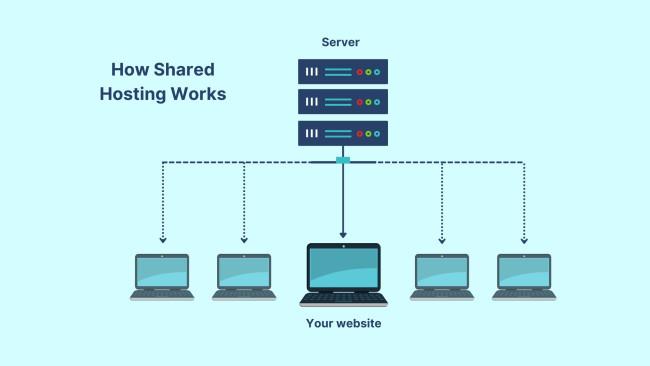
Choosing the right shared hosting provider is a critical decision for anyone looking to establish an online presence, whether for a personal blog, a small business website, or an e-commerce store. With a plethora of options available, navigating the landscape of shared hosting can be overwhelming for both beginners and experienced webmasters alike. Shared hosting offers an attractive solution for those seeking affordability without sacrificing performance, but not all providers are created equal. In this article, we will explore the key factors to consider when selecting a shared hosting provider, ensuring that you find a service that meets your needs and helps your website thrive. From understanding server performance and support to evaluating scalability and security features, we’ll equip you with the essential knowledge to make an informed choice that sets the foundation for your online success.
Table of Contents
- Understanding Performance Metrics for Shared Hosting
- Evaluating Customer Support and Service Levels
- Assessing Security Features and Protocols
- Comparing Cost and Value Across Providers
- Concluding Remarks
Understanding Performance Metrics for Shared Hosting
When evaluating shared hosting providers, it’s crucial to pay attention to various performance metrics that can significantly impact your website’s functionality and user experience. Some key metrics to consider include:
- Uptime: The percentage of time your server is operational. A good hosting provider should offer at least 99.9% uptime.
- Load Speed: The time it takes for your website to fully load. Faster speeds improve user satisfaction and SEO rankings.
- Server Response Time: The time it takes for the server to respond to a request. A lower response time contributes to better overall performance.
- Resource Allocation: Understanding the CPU, RAM, and bandwidth limits of your shared hosting plan is vital to ensure your website runs smoothly.
Additionally, you might want to look at specific performance tracking tools that your hosting provider offers. These features can provide insights into server health and website performance over time. Consider using platforms that allow for comprehensive monitoring of:
| Metric | Importance |
|---|---|
| Uptime | Ensures your site is accessible to visitors. |
| Load Speed | Affects user retention and SEO results. |
| Server Response Time | Impacts performance under traffic loads. |
| Support Response Time | Critical in troubleshooting issues quickly. |
Evaluating Customer Support and Service Levels
When selecting a shared hosting provider, is paramount. Reliable support can mean the difference between a hiccup in your online operations and a full-blown crisis. It’s essential to investigate the support channels available, such as:
- 24/7 Availability: Ensure that support is accessible around the clock to assist with any urgent issues.
- Multiple Contact Methods: Look for providers offering live chat, email, phone, and ticketing systems, allowing you to choose your preferred communication method.
- Response Times: Research average response times to gauge the promptness of support when issues arise.
In addition to support availability, consider the quality of the customer service provided. A responsive and knowledgeable support team can enhance your experience significantly. Evaluate the following aspects:
- Support Knowledge Base: Check if the hosting provider offers extensive documentation and tutorials to assist users in resolving common issues independently.
- User Feedback: Look at customer reviews and testimonials to understand real-world experiences regarding support effectiveness.
- Expertise of Support Staff: Ensure that the support representatives have sufficient technical knowledge to address complex hosting issues.
Assessing Security Features and Protocols
When selecting a shared hosting provider, one of the most critical considerations is the robustness of their security features. Given the shared nature of the hosting environment, where multiple websites reside on a single server, it’s essential that the provider implements strong measures to protect all users. Look for features such as SSL certificates, which encrypt data transmitted between the server and visitors, thereby enhancing the security of sensitive information. Additionally, firewalls and DDoS protection are indispensable for safeguarding against common cyber threats. It’s wise to inquire about the provider’s backup protocols as well; you want to ensure that your data is regularly backed up and can be restored quickly in the event of a breach or failure.
Moreover, take note of the provider’s approach to software updates and vulnerability patches. A reliable hosting service should automatically apply updates to the server’s operating system and applications, minimizing the risk of exploitation through outdated software. Consider asking about their malware scanning and removal capabilities as well, making certain that the hosting provider includes proactive measures to identify and eliminate potential threats. Engaging with credible reviews and seeking transparency in their security policies can also offer invaluable insights into their commitment to protecting client data.
Comparing Cost and Value Across Providers
When selecting a shared hosting provider, it’s essential to evaluate the cost against the value offered. While an appealing low price might be tempting, it’s vital to delve deeper into what each provider includes in their packages. Consider the following factors when assessing cost versus value:
- Storage and Bandwidth: Are you getting enough storage space and bandwidth for your needs?
- Uptime Guarantee: Is the provider offering a reliable uptime guarantee (typically 99.9% or higher) that ensures your website remains accessible?
- Customer Support: What kind of support is offered? 24/7 support can save you time and hassle in the long run.
To illustrate the differences across various providers, here’s a simplified comparison that highlights key offerings:
| Provider | Price per Month | Uptime Guarantee | Support Options |
|---|---|---|---|
| Provider A | $5.99 | 99.9% | 24/7 Live Chat |
| Provider B | $3.99 | 99.5% | Email Support |
| Provider C | $7.99 | 99.95% | Phone and Chat Support |
Concluding Remarks
selecting the right shared hosting provider is a critical step in establishing a successful online presence. By taking the time to assess key factors such as performance, customer support, security, and scalability, you can ensure that your chosen host not only meets your current needs but also has the potential to grow alongside your business. Remember, the right hosting provider is not just a technical decision; it’s an investment in the future of your website. As you navigate your options, keep these factors in mind to find a partner that aligns with your goals and expectations. Ultimately, a well-chosen shared hosting provider will not only provide stability and reliability but also give you the freedom to focus on what you do best—building and growing your online venture. Thank you for reading, and may your hosting journey be a successful one!