
Is Shared Hosting the Best Choice for Your Website?
When it comes to launching a website, one of the most critical decisions you’ll face is choosing the right hosting option. With a plethora of choices available, ranging from dedicated servers to cloud solutions, many website owners find themselves drawn to shared hosting — an affordable and user-friendly option popular among small businesses and individual projects. But is shared hosting truly the best choice for your website? In this article, we will explore the ins and outs of shared hosting, examining its advantages and disadvantages, and helping you determine if it aligns with your website’s needs and growth potential. Whether you’re a budding entrepreneur or a seasoned developer, understanding the nuances of shared hosting will empower you to make an informed decision that supports your website’s success. Join us as we unravel the complexities of shared hosting and shed light on whether it’s the ideal solution for you.
Table of Contents
- Understanding Shared Hosting and Its Advantages
- Evaluating Performance and Reliability for Your Website Needs
- Cost-Effectiveness vs. Long-Term Growth Potential
- Choosing the Right Shared Hosting Provider for Your Specific Requirements
- The Conclusion
Understanding Shared Hosting and Its Advantages
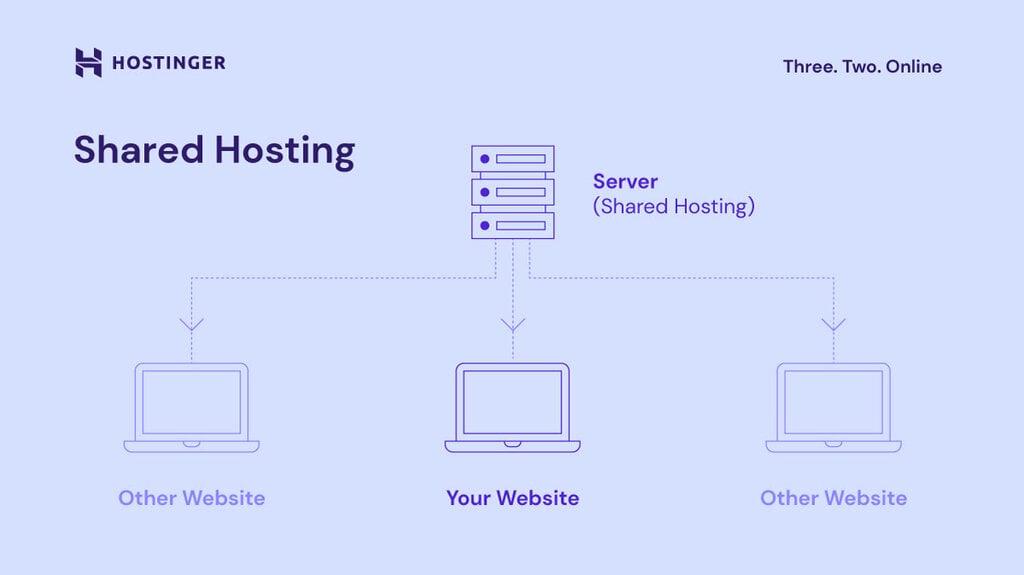
Shared hosting is a popular choice for many individuals and small businesses looking to establish an online presence without breaking the bank. In this arrangement, multiple websites share a single server and its resources, such as storage, bandwidth, and processing power. This collaboration drastically reduces the cost, making it an attractive option for startups and personal projects. Some of the key benefits of shared hosting include:
- Affordable Pricing: Ideal for those with budget constraints.
- Ease of Use: Most providers offer user-friendly control panels, making setup and management straightforward.
- Pre-installed Applications: Many hosting plans come with one-click installs for popular CMSs like WordPress, Joomla, and Drupal.
- Maintenance and Support: Hosting companies manage server maintenance and offer technical support, freeing you to focus on your content.
However, while shared hosting presents many advantages, it may not be suitable for everyone. The limitations of sharing server resources can lead to performance issues during peak traffic times, impacting site speed and user experience. If your website experiences rapid growth or requires extensive resources, you may need to consider upgrading to a VPS or dedicated server solution. For reference, here’s a quick comparison of shared hosting versus other hosting types:
| Feature | Shared Hosting | VPS Hosting | Dedicated Hosting |
|---|---|---|---|
| Cost | Low | Medium | High |
| Resource Allocation | Shared | Dedicated Portion | Entire Server |
| Performance | Variable | Stable | High |
| Control Level | Basic | Moderate | Full |
Evaluating Performance and Reliability for Your Website Needs
When considering shared hosting for your website, it’s crucial to evaluate both performance and reliability to ensure your online presence meets your needs. Shared hosting can be an ideal solution for small businesses or personal websites due to its affordability. However, it’s important to understand the trade-offs. Assess the hosting provider’s uptime guarantees, as a reliable host typically offers a minimum of 99.9% uptime. Also, check for bandwidth limits; higher traffic websites may find shared plans restrictive, leading to slow load times that can deter visitors.
Furthermore, consider the technical support available to you. A host that offers 24/7 customer support will be invaluable when issues arise. Look for reviews that mention response times and the helpfulness of support staff. It can also be beneficial to analyze server speed and performance metrics. Hosting providers that offer caching options and content delivery networks (CDNs) can significantly enhance loading times, benefiting user experience and SEO. Below is a simple comparison of key factors to help in your evaluation:
| Hosting Feature | Importance | Typical Shared Hosting Offering |
|---|---|---|
| Uptime Guarantee | Ensures site availability | 99.9% |
| Customer Support | Critical for troubleshooting | 24/7 |
| Bandwidth Limits | Affects traffic handling | Varies by plan |
| Performance Optimizations | Enhances loading speed | Caching & CDNs |
Cost-Effectiveness vs. Long-Term Growth Potential
When considering shared hosting, many website owners weigh the benefits of cost-effectiveness against the potential for long-term growth. Shared hosting is often a more budget-friendly option, making it ideal for startups, small businesses, or personal websites. With low monthly rates and minimal upfront investment, users can quickly establish an online presence without breaking the bank. Key advantages include:
- Lower initial costs
- Simple setup and management
- Access to customer support
However, it’s essential to look beyond immediate savings and contemplate your site’s future. While shared hosting can be a fantastic starting point, it often comes with limitations that could hinder your website’s growth as traffic increases or if you decide to expand your services. These constraints might include:
- Limited bandwidth and storage
- Potential for slower performance during peak traffic
- Shared resources with other websites
For businesses aiming for scalability, transitioning to dedicated or VPS hosting could provide the necessary resources and performance enhancements. Investing in a more robust hosting solution could pave the way for better site optimization and improved user experience over time.
Choosing the Right Shared Hosting Provider for Your Specific Requirements
When selecting a shared hosting provider, it’s crucial to evaluate your specific needs to ensure you receive the best value for your money. Begin by considering the type of website you are running—whether it’s a personal blog, a business site, or an e-commerce platform. Each of these may require different resources. Additionally, take into account factors such as expected traffic volume, site performance, and technical support. Investing time in understanding these parameters will help you filter out providers that don’t align with your objectives.
Furthermore, don’t overlook the importance of essential features offered by various hosting plans. Look for options that include scalability, which allows your website to grow without hassle, as well as security features like SSL certificates and regular backups. A comparison table can help clarify your choices:
| Feature | Provider A | Provider B | Provider C |
|---|---|---|---|
| Free SSL | ✔ | ✔ | ✘ |
| 24/7 Support | ✔ | ✔ | ✔ |
| Daily Backups | ✔ | ✘ | ✔ |
| Unlimited Bandwidth | ✘ | ✔ | ✔ |
The Conclusion
shared hosting presents a compelling option for many website owners, particularly those just starting out or operating on a limited budget. Its affordability, ease of use, and managed services make it an attractive choice for small businesses, bloggers, and personal websites. However, it’s essential to weigh the pros and cons based on your unique needs and goals.
If your website is expected to grow significantly or requires higher performance, you may want to consider other hosting options as your journey progresses. Ultimately, the best hosting choice will depend on a careful assessment of your specific requirements, technical expertise, and future aspirations.
We hope this article has provided you with valuable insights to help you make an informed decision. Whether you choose shared hosting or explore other avenues, may your online venture be successful and rewarding! If you have any questions or experiences to share, feel free to leave a comment below—let’s keep the conversation going!