
Essential Tips for Testing Web Hosting Performance Pre-Purchase
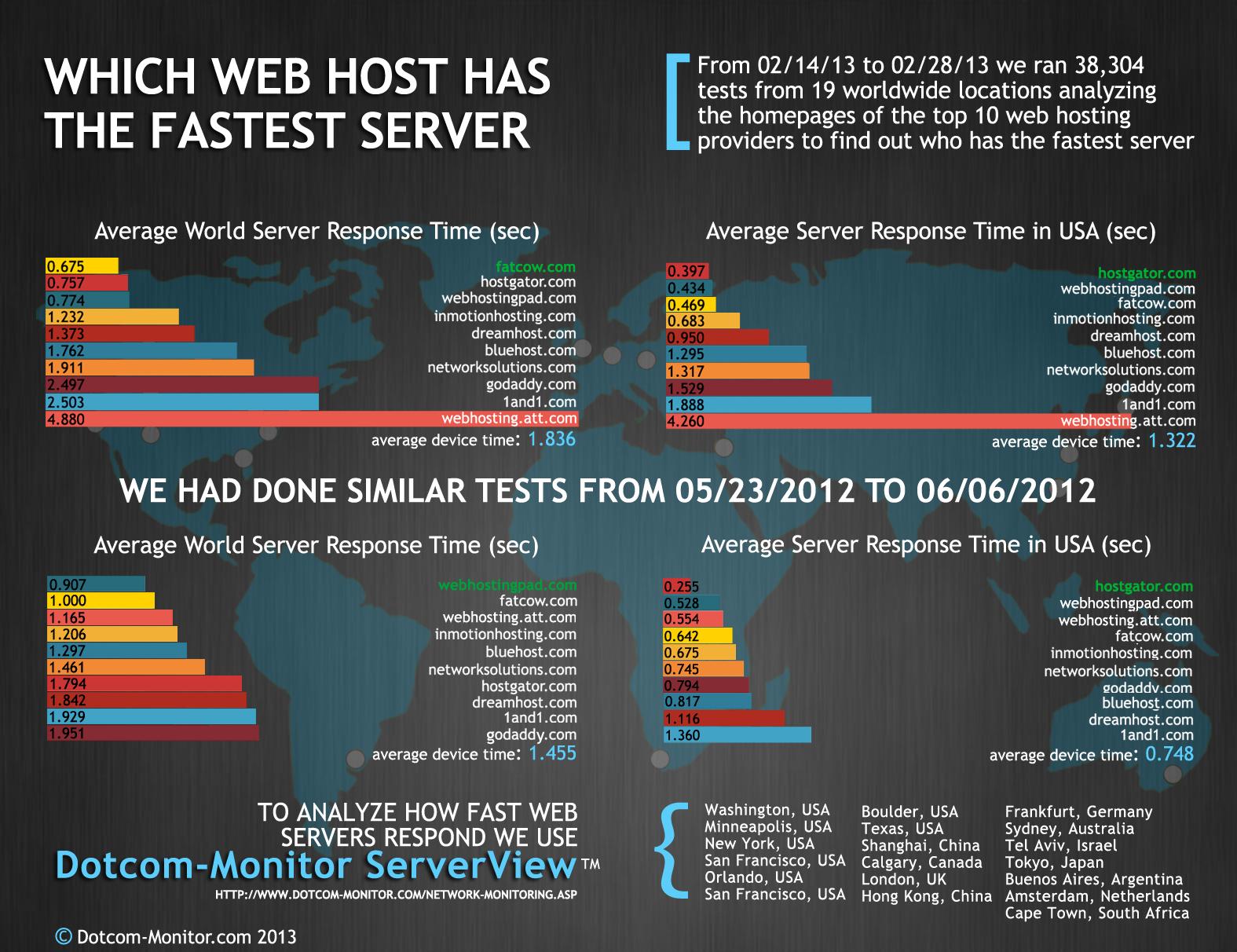
In today’s digital landscape, the choice of web hosting service can significantly impact your website’s performance, user experience, and ultimately, your success online. Whether you’re launching a personal blog, an e-commerce store, or a corporate website, selecting the right host is a critical decision that goes beyond just comparing prices and storage options. Before you make a commitment, it’s essential to thoroughly test a potential web hosting provider’s performance to ensure it aligns with your specific needs. In this article, we’ll explore essential tips for testing web hosting performance pre-purchase, empowering you to make an informed decision that will set the foundation for a robust and reliable online presence. From speed tests to uptime guarantees, we’ll cover key factors to evaluate, helping you navigate the often-overwhelming choices in the hosting marketplace. Join us as we dive into the vital steps you can take to ensure your website runs smoothly and efficiently from day one.
Table of Contents
- Understanding Key Performance Metrics for Web Hosting
- Evaluating Server Uptime and Reliability Before You Buy
- Testing Speed and Load Times: Tools and Techniques
- Assessing Customer Support and Service Responsiveness
- Final Thoughts
Understanding Key Performance Metrics for Web Hosting
When evaluating web hosting services, understanding key performance metrics is crucial to selecting a provider that aligns with your needs. Uptime is one of the most critical metrics; it indicates the reliability of the hosting service. A good host should guarantee uptime of 99.9% or higher, minimizing downtime which can harm both your search engine rankings and user experience. Load times are equally important, as page speed directly affects bounce rates and user satisfaction. Aim for a host that offers load times consistently under 2 seconds to ensure your visitors remain engaged with your content.
Another important metric is server response time, which measures how quickly the server processes requests. Providers should aim for a response time of 200ms or less. Additionally, scalability is essential if you plan to grow; ensure your hosting plan allows for easy upgrades to accommodate increased traffic. Lastly, consider customer support responsiveness; a reliable support team can be the difference between a minor hiccup and a major crisis. Evaluate their support channels (like live chat or phone), and consider testing their response times before making a commitment.
Evaluating Server Uptime and Reliability Before You Buy
When considering a web hosting provider, server uptime and overall reliability are non-negotiable factors that can influence your website’s performance and longevity. Start by checking the hosting provider’s uptime guarantee, which is typically expressed as a percentage. A promise of 99.9% uptime means that your site could theoretically experience around 40 minutes of downtime each month—acceptable for most, but you might want to aim for 99.99% if your business heavily relies on web traffic. Take the time to peruse customer reviews and testimonials to gauge past reliability; look for consistent feedback on their uptime performance over time, especially during peak traffic periods.
Another important aspect to consider is the provider’s support services. A reputable host should offer 24/7 technical support, as unforeseen issues can arise at any hour. Additionally, evaluate their redundancy measures—for example, do they utilize multiple data centers or backup systems that ensure your data remains accessible even during unexpected outages? Examining these factors can provide assurance that the host will not only maintain high uptime metrics but also handle problems swiftly when they occur. You might want to ask detailed questions like:
- What percentage of uptime do you guarantee?
- How often have your uptime numbers been below that metric?
- Do you have a transparency policy regarding outages?
Testing Speed and Load Times: Tools and Techniques
When evaluating potential web hosting providers, testing speed and load times is crucial for ensuring optimal performance for your website. There are several tools available that can help you assess these critical metrics. Google PageSpeed Insights provides a comprehensive analysis of your website’s speed on both mobile and desktop devices, offering actionable suggestions for improvement. Meanwhile, GTmetrix offers a detailed performance report, allowing you to examine load times and identify bottlenecks in your site’s performance. Other excellent options include Pingdom, which enables you to test from multiple locations, and WebPageTest, which gives in-depth insights into rendering times and loading sequences.
In addition to utilizing performance testing tools, incorporating effective techniques can enhance your testing process. Begin by evaluating your desired website features and estimating concurrent visitors to determine the suitable hosting plan. You should also conduct tests during peak hours to gauge how your site handles increased traffic. For a more detailed analysis, consider running A/B tests by comparing different hosting providers, which will help you understand real-world performance differences. A brief summary of key performance indicators to focus on includes:
| Metric | Description |
|---|---|
| Load Time | Time taken for the page to fully load. |
| Time to First Byte (TTFB) | Duration before the first byte of the content is received. |
| Server Response Time | Time the server takes to respond to requests. |
| Page Size | Total size of the web page, including all assets. |
Assessing Customer Support and Service Responsiveness
When considering a web hosting provider, evaluating their customer support and service responsiveness is crucial to ensuring a smooth online experience. A reliable hosting service should offer multiple channels of communication for support, allowing customers to reach out in a way that’s most convenient for them. Look for providers that offer:
- 24/7 live chat for immediate assistance
- Email support for detailed inquiries
- Phone support for urgent issues
- Comprehensive online knowledge base for self-help resources
Additionally, it’s essential to assess their response times and the quality of their support staff. You can gauge this by reaching out with a questions or concerns before making a purchase. Take note of the average response time and the clarity of the answers provided. Consider maintaining a simple tracking table like the one below to evaluate different providers based on your interactions:
| Provider | Response Time | Support Quality |
|---|---|---|
| Provider A | 2 mins | Excellent |
| Provider B | 5 mins | Good |
| Provider C | 10 mins | Average |
Final Thoughts
selecting the right web hosting provider is a crucial step in ensuring your online success. By following these essential tips for testing web hosting performance before making a purchase, you can make a well-informed decision that aligns with your business needs. Remember to investigate factors such as server speed, uptime reliability, customer support, and scalability options. Don’t hesitate to utilize free trials or money-back guarantees to test the waters before committing. Your website’s performance directly impacts user experience, SEO rankings, and ultimately your bottom line. By conducting thorough research and performance testing, you are setting the foundation for a robust online presence. Happy hosting, and may your website soar to new heights!