
Decoding VPS Hosting Uptime Guarantees: What You Need to Know
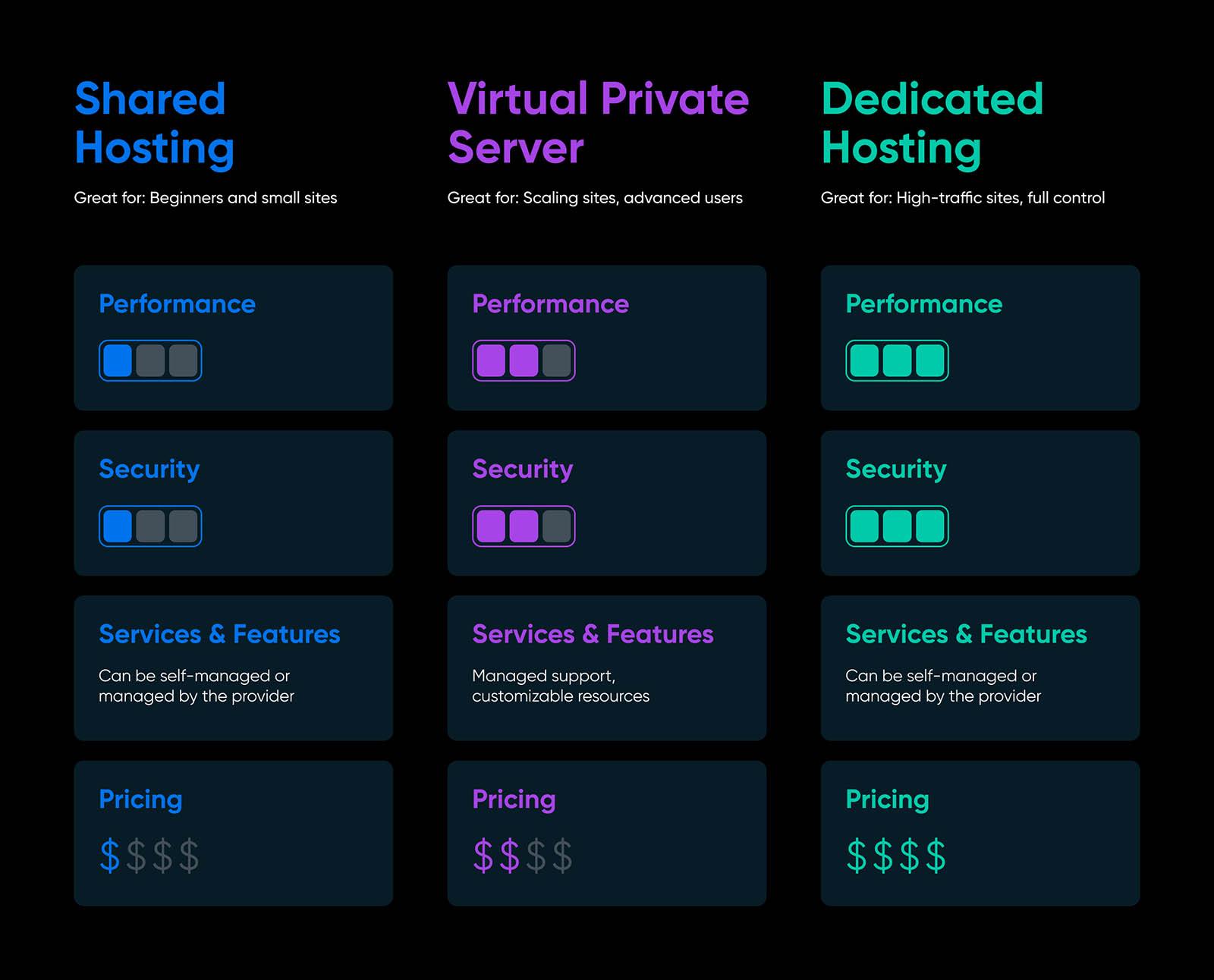
In the ever-evolving landscape of web hosting, Virtual Private Servers (VPS) have emerged as a favored solution for businesses seeking a blend of performance, flexibility, and affordability. However, one key factor that often shapes the decision-making process for prospective VPS users is uptime – a crucial aspect that can significantly impact website performance and user experience. Uptime guarantees are frequently touted by hosting providers, yet understanding what these guarantees truly mean can be a daunting task. In this article, we will decode VPS hosting uptime guarantees, exploring the intricacies behind the numbers, what to look for when evaluating providers, and why uptime should be a top consideration in your hosting strategy. Whether you’re a seasoned developer or a small business owner, navigating the fine print of uptime promises will empower you to make informed decisions that safeguard your online presence. Let’s dive into the essentials you need to know!
Table of Contents
- Understanding Uptime Guarantees and Their Importance in VPS Hosting
- Factors Influencing VPS Hosting Uptime: What to Consider
- Evaluating VPS Providers: Key Metrics for Reliable Uptime
- Strategies to Optimize Your VPS Uptime: Best Practices for Users
- To Conclude
Understanding Uptime Guarantees and Their Importance in VPS Hosting
Uptime guarantees are crucial metrics that indicate the reliability of a Virtual Private Server (VPS) hosting provider. Typically expressed as a percentage, these guarantees reflect the amount of time a server is operational and accessible to users over a given period. A common uptime guarantee is 99.9%, which suggests that, theoretically, the server would be down for only about 8.76 hours a year. However, when assessing a host’s uptime, it is essential to understand the conditions and methodologies behind these guarantees, as not all providers offer the same level of service or adhere to the same standards. Moreover, some providers may include clauses that allow for scheduled maintenance or unexpected events, which can impact the actual availability of your services.
When considering a VPS hosting provider, it’s important to not only look at the uptime percentage but also what is included in their guarantee. Here are several key factors to evaluate:
- Support Response Time: Quick and effective support can greatly minimize downtime during outages.
- Service Level Agreement (SLA): A documented guarantee can provide peace of mind and make it easier to seek compensation in case of breaches.
- Monitoring and Alerts: Some providers offer proactive monitoring, which can alert you before minor issues escalate into major problems.
To provide further clarity, consider the following table that compares various uptime guarantee specifics offered by leading VPS hosting providers:
| Provider | Uptime Guarantee | Compensation for Downtime |
|---|---|---|
| Provider A | 99.9% | 1 Month Free |
| Provider B | 99.99% | 10% Credit |
| Provider C | 99.5% | No Compensation |
Factors Influencing VPS Hosting Uptime: What to Consider
When it comes to VPS hosting uptime, several critical elements come into play that can significantly affect your service reliability. Data center reliability is paramount, as the location and infrastructure of the facility can determine outage frequency. Providers with redundant power supplies, advanced cooling systems, and robust physical security measures are less prone to downtimes. Additionally, the network quality is crucial; a well-connected data center with multiple internet exchanges and quality bandwidth availability reduces the risk of connectivity issues, ensuring that your server remains online. Other factors, such as the technological stack, including server hardware and virtualization technology, also play a vital role in determining overall performance and uptime.
Another essential consideration is the provider’s maintenance practices. Regular updates and proactive maintenance of both software and hardware can prevent unexpected failures. It’s important to assess the vendor’s commitment to backup solutions and their disaster recovery plans. An effective backup strategy guarantees that data remains safe and accessible, even in case of a failure. Furthermore, examining customer feedback concerning the provider’s technical support responsiveness can provide insights into how quickly issues are resolved, directly impacting uptime. Here’s a concise overview of these factors:
| Factor | Impact on Uptime |
|---|---|
| Data Center Reliability | Minimizes outages |
| Network Quality | Improves connectivity stability |
| Technological Stack | Enhances performance |
| Maintenance Practices | Reduces unexpected failures |
| Backup Solutions | Safeguards data integrity |
| Technical Support | Accelerates issue resolution |
Evaluating VPS Providers: Key Metrics for Reliable Uptime
When choosing a VPS provider, uptime is one of the most critical factors to evaluate. Reliable uptime ensures that your website remains accessible to users, and understanding how to gauge it is essential. Look for providers that offer a Service Level Agreement (SLA) detailing their uptime guarantees, typically expressed as a percentage. A reputable host will often claim 99.9% uptime, meaning that your server could potentially be down for just a handful of hours each year. However, it’s imperative to know how they measure this uptime and if it includes all outages or just those that are within their control.
To further assess the reliability of a VPS provider, consider the following key metrics:
- Redundancy: Evaluate the hardware and network redundancy in place; this affects how quickly they can recover from failure.
- Monitoring and Alerts: Check if they offer real-time monitoring and alert systems to keep you informed about your server’s status.
- Historical Performance: Research their historical uptime performance through customer reviews and third-party monitoring sites.
- Support Availability: Reliable support can significantly minimize downtime; assess their customer service responsiveness during outages.
Here’s a simple comparison table that illustrates how different VPS providers stack up against these crucial metrics:
| Provider | Uptime Guarantee | Support Availability | Monitoring Tools |
|---|---|---|---|
| Provider A | 99.99% | 24/7 Live Chat | Yes |
| Provider B | 99.9% | 8 AM – 10 PM | Yes |
| Provider C | 99.95% | 24/7 Phone Support | No |
Strategies to Optimize Your VPS Uptime: Best Practices for Users
Ensuring high uptime for your Virtual Private Server (VPS) is critical for maintaining your online presence. Here are some best practices to enhance the reliability of your VPS:
- Choose a Reputable Hosting Provider: Look for a VPS provider that offers robust uptime guarantees, typically 99.9% or higher, and has positive reviews regarding their performance.
- Regular Backups: Implement automated backups to safeguard your data. Regular snapshots can prevent data loss and allow for quick recovery during outages.
- Monitoring Tools: Utilize uptime monitoring tools to track your server’s performance and get immediate alerts if there are any disruptions.
- Load Balancing: Distribute traffic across multiple servers to minimize the risk of overload and improve responsiveness.
In addition to the above practices, consider implementing the following strategies to further enhance uptime:
- Security Measures: Keep your server secure with firewalls, DDoS protection, and regular software updates to prevent downtime caused by security breaches.
- Optimize Resource Allocation: Regularly assess your VPS resources to ensure proper allocation based on your traffic and application needs.
- Scalability Options: Choose a hosting provider that allows easy scalability to accommodate traffic spikes without affecting uptime.
- Review SLA Details: Understand your provider’s Service Level Agreement (SLA) to know exactly what uptime guarantees are offered and any compensation for downtime.
To Conclude
understanding VPS hosting uptime guarantees is crucial for anyone looking to ensure their online presence remains reliable and uninterrupted. By delving into the nuances of uptime promises, the factors that contribute to downtime, and the importance of service level agreements (SLAs), you can make a well-informed decision that aligns with your business needs. Remember, a strong uptime guarantee is not just a number—it’s a commitment from your hosting provider to deliver a dependable service that supports your goals. As you navigate your hosting options, prioritize providers that not only boast impressive uptime percentages but also demonstrate transparency and accountability. With the right VPS hosting solution in place, you can enjoy peace of mind, knowing that your website is backed by a foundation of reliability and performance. Happy hosting!