
Essential Guide to Selecting the Perfect WordPress Theme
Introduction: Your
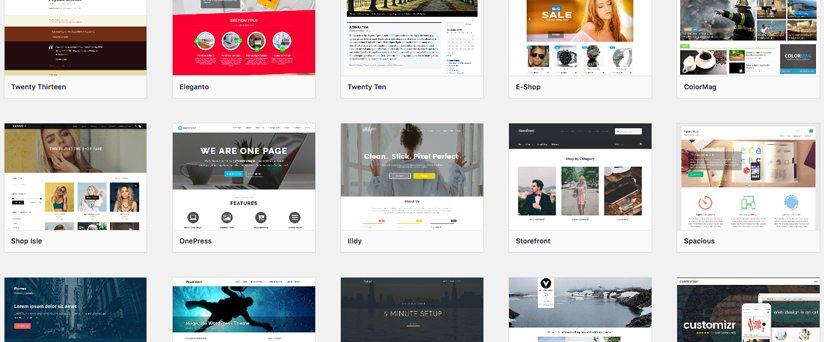
In the vast landscape of web development, WordPress remains a dominant force, powering over 40% of all websites globally. One of the foundational elements that can make or break your WordPress site is the theme you choose. With thousands of options available, finding the perfect theme can feel like searching for a needle in a haystack. A well-chosen theme not only enhances your site’s aesthetics but also significantly impacts its functionality, user experience, and even search engine optimization. Whether you’re crafting a personal blog, a business portfolio, or an online store, selecting the right WordPress theme is crucial to achieving your goals. In this essential guide, we’ll walk you through the key considerations and tips to help you navigate the theme selection process, ensuring your website stands out and performs at its best. Let’s dive in and discover how to find that perfect match for your WordPress journey.
Table of Contents
- Understanding Your Website Goals and Audience Needs
- Key Features to Look for in a WordPress Theme
- Design and Customization: Balancing Aesthetics and Functionality
- Evaluating Performance and Support: Ensuring Long-Term Satisfaction
- Wrapping Up
Understanding Your Website Goals and Audience Needs
Establishing clear objectives for your website acts as a compass guiding its design and functionality. Consider what you aim to achieve: whether it’s generating leads, increasing brand awareness, sharing content, or facilitating e-commerce. Aligning your theme choice with these goals is crucial; for instance, an online store will require a theme optimized for product displays and checkout processes, while a blog might prioritize readability and engagement features. Always evaluate how potential themes can enhance your specific objectives through:
- Customization Options: Flexibility to adjust layouts and styles.
- Performance: Loading speed affects user experience and SEO.
- Mobile Responsiveness: Ensuring users on all devices have a seamless experience.
Your audience’s needs inform how content is presented and navigated. Identifying your demographic can help tailor the website’s aesthetics and functionality to resonate with users. For instance, a theme that appeals to younger audiences might favor bold colors and trendy layouts, while a site targeting professionals could benefit from a clean, polished look. Key factors to assess include:
| Audience Type | Theme Features |
|---|---|
| Creative Professionals | Visual storytelling, portfolio options, animations |
| Small Businesses | Service listings, customer testimonials, appointment scheduling |
| Bloggers | Social sharing, comment sections, easy navigation |
By prioritizing these aspects, you’ll create a cohesive strategy that both meets your website goals and satisfies your audience’s needs, setting the foundation for a successful online presence.
Key Features to Look for in a WordPress Theme
Choosing the right WordPress theme is crucial for your website’s success, as it sets the tone and functionality for your online presence. When evaluating themes, keep an eye out for responsiveness, ensuring that your website looks great on all devices, from desktops to smartphones. Additionally, a theme with SEO optimization features will help improve your search engine rankings, making it easier for your audience to find you. Here are some other important aspects to consider:
- Customization Options: Look for themes that allow easy customization without needing advanced coding knowledge.
- Speed and Performance: A theme that optimizes loading time can enhance user experience and decrease bounce rates.
- Support and Updates: Choose a theme that comes with reliable support and regular updates to ensure compatibility with the latest WordPress version.
Furthermore, consider the design aesthetics of your theme. A well-designed theme not only attracts visitors but also enhances credibility. Check for themes that offer various layout options to create unique pages tailored to your content needs. You might also want to assess the plugin compatibility of the theme; it should easily integrate with popular WordPress plugins for added functionality. To simplify your comparison process, refer to the table below:
| Feature | Importance | Recommendation |
|---|---|---|
| Responsiveness | High | Must-have for any quality theme |
| SEO Optimization | Medium | Essential for better visibility |
| Customization Options | High | Look for a user-friendly interface |
| Support and Updates | High | Choose themes with good ratings |
Design and Customization: Balancing Aesthetics and Functionality
When selecting a WordPress theme, it’s essential to achieve the right harmony between aesthetics and functionality. A visually appealing design captures your audience’s attention, but if it doesn’t serve its purpose effectively, you risk losing visitors. Consider the following factors to strike that balance:
- Responsive Design: Ensure your theme looks great on all devices, from smartphones to desktops.
- Customization Options: Look for themes that allow you to modify colors, fonts, and layouts without coding.
- User Experience: Prioritize themes that facilitate intuitive navigation and quick load times.
Incorporating functionality shouldn’t compromise the visual appeal of your site. Well-designed themes offer plenty of features while maintaining a clean and modern look. Here’s a comparison of popular theme attributes:
| Feature | Importance | Example Themes |
|---|---|---|
| Visual Customization | High | Astra, Divi |
| SEO Optimization | Medium | GeneratePress, OceanWP |
| Page Builder Compatibility | High | Elementor, Beaver Builder |
| Support & Updates | Essential | ThemeForest, StudioPress |
Evaluating Performance and Support: Ensuring Long-Term Satisfaction
When selecting a WordPress theme, it’s essential to evaluate its performance to guarantee a seamless user experience. Fast loading times and responsiveness are critical factors that impact not just user engagement but also SEO rankings. A well-optimized theme should include:
- Lightweight Code: Minimizes unnecessary scripts and styles.
- Optimized Images: Uses modern formats like WebP for faster loading.
- Browser Caching: Enhances speed by storing resources locally.
Support is another pivotal aspect that can determine the longevity of your theme choice. A theme backed by a professional support team provides peace of mind as you navigate challenges. Consider the following when assessing a theme’s support options:
- Documentation: Comprehensive guides and FAQs can significantly ease the learning curve.
- Community Forums: Active user communities can offer quick help and shared solutions.
- Update Frequency: Regular updates not only enhance security but also ensure compatibility with the latest WordPress versions.
Wrapping Up
Conclusion: Find Your Perfect Fit
Selecting the perfect WordPress theme is more than just aesthetics; it’s about creating a seamless user experience and ensuring your site meets your specific needs. By considering factors like functionality, responsiveness, and customization options, you can make an informed choice that aligns with your brand and goals.
As you embark on this journey, remember that the ideal theme should not only capture your audience’s attention but also enhance their interaction with your content. Take the time to explore different options, read reviews, and perhaps even test out demos to find the perfect fit for your vision.
We hope this guide has equipped you with the knowledge and confidence to navigate the vast world of WordPress themes. Whether you are building a personal blog, a portfolio, or an e-commerce store, the right theme can make all the difference. Happy theme hunting!