
Essential Factors to Consider When Choosing Shared Hosting
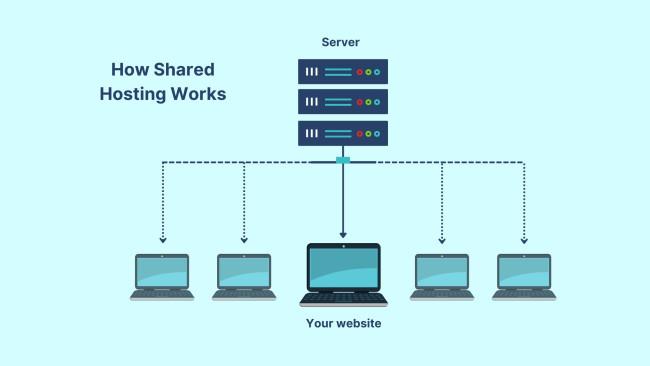
When it comes to launching a website, one of the most critical decisions you’ll face is selecting the right hosting solution. For many small businesses, bloggers, and startups, shared hosting presents an appealing option due to its affordability and ease of use. However, while it may seem like a straightforward choice, various factors can significantly impact your website’s performance, security, and overall success. In this article, we will explore the essential factors to consider when choosing shared hosting. From server reliability and customer support to scalability and security features, understanding these elements will empower you to make an informed decision that aligns with your specific needs and goals. Whether you’re a seasoned web developer or a newcomer to the digital landscape, it’s essential to navigate the complexities of shared hosting to ensure your online presence is both robust and sustainable. Let’s dive into the key considerations that will help you select the best shared hosting plan for your project.
Table of Contents
- Understanding Server Performance and Uptime Guarantees
- Evaluating Customer Support and Technical Assistance Options
- Analyzing Storage and Bandwidth Requirements for Your Needs
- Comparing Pricing Plans and Contract Terms for Value
- In Retrospect
Understanding Server Performance and Uptime Guarantees
When selecting a shared hosting provider, understanding the nuances of server performance and uptime guarantees is crucial for ensuring a smooth online experience. Server performance typically refers to the speed and efficiency at which a hosting service can process requests and deliver content. Factors that affect server performance include the hardware specifications, server location, and the overall traffic load. A host with robust infrastructure, such as SSD storage and top-tier bandwidth, will likely outperform others that cut corners, leading to faster load times and a better user experience.
Equally important is the uptime guarantee, which reflects the reliability of the hosting service. A good uptime guarantee typically hovers around 99.9%, indicating that the server will be operational and accessible most of the time. Reliable hosts often provide real-time monitoring and redundancies to ensure minimal downtime. To help you compare, consider the following table showcasing common uptime guarantees from several hosting providers:
| Hosting Provider | Uptime Guarantee | Monthly Downtime |
|---|---|---|
| Provider A | 99.9% | Approx. 40 minutes |
| Provider B | 99.95% | Approx. 22 minutes |
| Provider C | 99.99% | Approx. 4 minutes |
Assessing both server performance and uptime guarantees will help you make informed decisions based on your website’s specific needs, ensuring that your online presence is both fast and reliable.
Evaluating Customer Support and Technical Assistance Options
When selecting a shared hosting provider, thoroughly examining customer support and technical assistance options is crucial for ensuring a smooth and efficient experience. Look for providers that offer multiple support channels, such as:
- Live Chat: Instant responses to urgent queries.
- Email Support: Detailed assistance, often for complex issues.
- Phone Support: Direct communication for immediate troubleshooting.
- An Extensive Knowledge Base: Self-service resources that empower users to find solutions independently.
Additionally, consider the availabilities of these support options. A hosting provider that guarantees 24/7 support can significantly reduce downtime and potential frustrations. Investigating user reviews can provide insight into the quality and responsiveness of the support teams, while a well-organized system will ensure that you receive timely assistance. A good practice is to test the support system before committing, checking response times and the helpfulness of staff on initial inquiries.
Analyzing Storage and Bandwidth Requirements for Your Needs
When selecting shared hosting, it’s crucial to assess both storage and bandwidth requirements tailored to your website’s unique demands. Storage refers to the amount of data your website can contain, including files, images, and databases. If you plan to host a blog with numerous high-resolution images or extensive multimedia content, opt for a plan that offers adequate disk space. Conversely, if your website is more text-based, you might need less storage. Always account for potential growth; choosing a hosting solution that allows for expandable storage can save you the hassle of migrating later on.
Bandwidth, on the other hand, dictates how much data can be transmitted between your website and its visitors over a period. A site with heavy traffic or rich content will require a higher bandwidth allocation to ensure smooth user experiences without slow loading times. When evaluating hosting options, consider the following factors: daily traffic estimates, type of content, and future scalability. Below is a simple comparison table to illustrate the impact of these elements:
| Website Type | Recommended Storage | Recommended Bandwidth |
|---|---|---|
| Blog | 10-20 GB | 100-500 GB/month |
| Small Business | 20-50 GB | 500 GB-1 TB/month |
| E-commerce | 50-100 GB | 1-3 TB/month |
Comparing Pricing Plans and Contract Terms for Value
When evaluating shared hosting options, a clear understanding of pricing plans and contract terms is essential for making an informed decision. Different providers offer a variety of pricing strategies, which can often lead to confusion. To ensure you get the best value for your money, consider these factors:
- Monthly vs. Annual Billing: Some hosts provide significant discounts for long-term commitments, though this may require a larger upfront investment.
- Renewal Rates: Be aware that introductory offers may increase upon renewal. Always check what the monthly fee will be after the initial term ends.
- Included Features: Compare what is included in each plan (like storage space, bandwidth, and SSL certificates) as these can vary widely and impact overall cost.
- Money-Back Guarantee: A good host will provide a money-back guarantee, allowing you to test their services without the risk.
Additionally, consider contract terms that can affect your flexibility and scalability. Some important aspects to review include:
- Contract Length: Check if the hosting provider has a minimum contract length that may lock you in and limit your options.
- Scalability Options: Ensure that the hosting provider allows easy upgrades to higher plans as your needs grow.
- Customer Support Availability: Evaluate the options they offer for support; 24/7 assistance is ideal, especially if you require frequent assistance.
| Hosting Provider | Initial Cost | Renewal Cost | Contract Length |
|---|---|---|---|
| Host A | $3.99/mo | $9.99/mo | 12 months |
| Host B | $2.75/mo | $8.99/mo | 24 months |
| Host C | $4.50/mo | $10.50/mo | 36 months |
In Retrospect
selecting the right shared hosting provider is a crucial decision that can significantly impact your website’s performance and your overall online experience. By carefully evaluating factors such as server reliability, customer support, scalability, security, and pricing, you can make a more informed choice that aligns with your needs and goals. Remember, the best shared hosting solution is one that not only meets your current requirements but also has the potential to grow with you as your digital presence expands.
As you embark on this journey, take the time to research and compare various providers. Explore user reviews, request demos, and consider any special features that might uniquely benefit your website. Investing in the right shared hosting can set a solid foundation for your online success, allowing you to focus on what really matters: creating great content and connecting with your audience.
If you found this guide helpful, we encourage you to share it with others who may be navigating the shared hosting landscape. For more insights and tips on website management, stay tuned to our blog. Your journey toward a successful online presence starts here!