
Ensuring Data Integrity: SaaS Strategies for Backup & Recovery
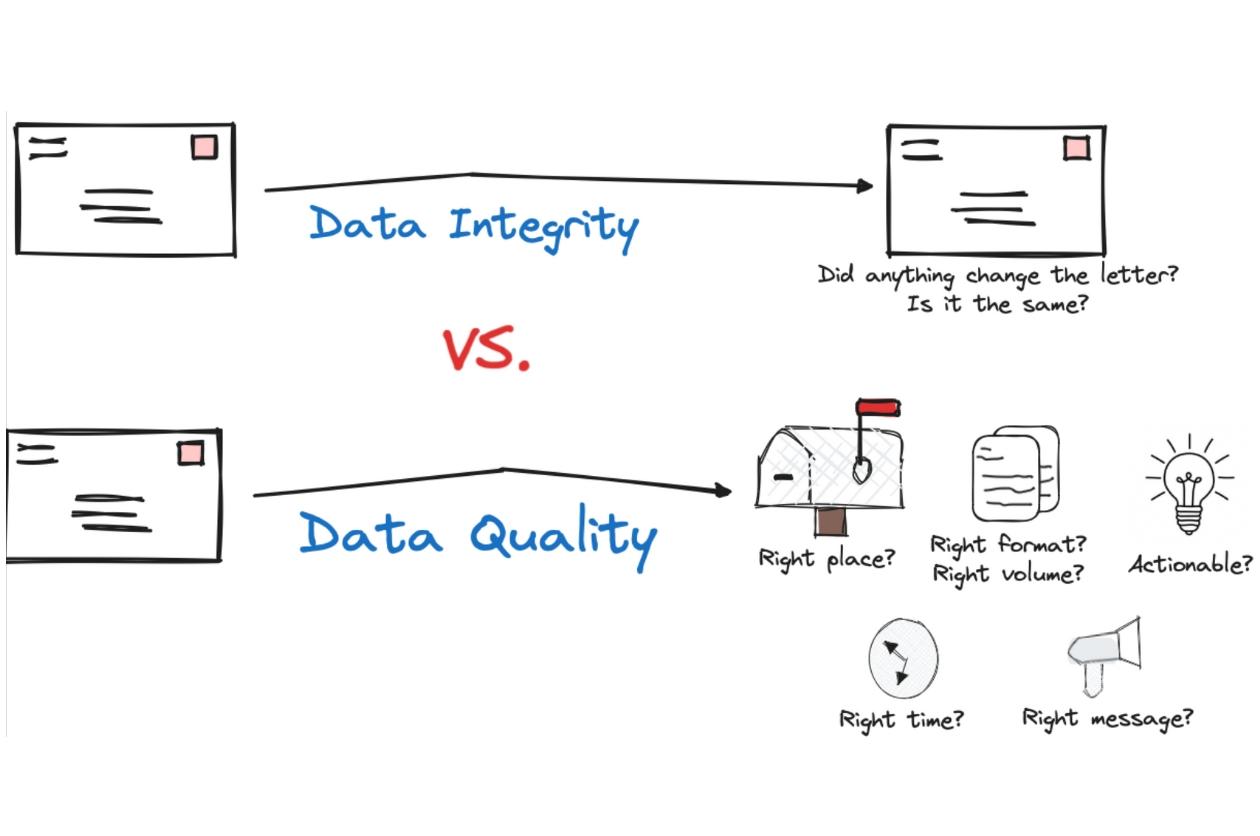
In today’s digital landscape, where data serves as the backbone of decision-making, ensuring data integrity has never been more critical. For businesses leveraging Software as a Service (SaaS) solutions, the need for effective backup and recovery strategies is paramount. The risk of data loss—whether due to accidental deletion, cyberattacks, or system failures—can have severe implications, including financial losses and reputational damage. As organizations increasingly rely on cloud-based platforms to manage their operations, understanding how to safeguard data within these systems becomes essential. In this article, we will explore comprehensive strategies that SaaS providers and users can employ to reinforce data integrity, highlighting best practices for backup and recovery that not only protect valuable information but also align with industry standards and regulatory requirements. Join us as we delve into the vital measures every SaaS user should consider to secure their data and maintain business continuity in an ever-evolving technology landscape.
Table of Contents
- Best Practices for Evaluating SaaS Backup Solutions
- Developing a Comprehensive Data Recovery Plan
- Automating Backup Processes for Enhanced Reliability
- Regular Testing and Maintenance of Data Integrity Protocols
- The Conclusion
Best Practices for Evaluating SaaS Backup Solutions
When evaluating SaaS backup solutions, it is essential to focus on several key factors to ensure that your data remains secure and recoverable. Start by checking the provider’s reputation and reliability. Look for established brands with transparent customer reviews and testimonials. Additionally, assess their compliance with data protection regulations such as GDPR or HIPAA, as this indicates adherence to industry standards. Furthermore, consider the scalability of the solution—your ideal backup strategy should accommodate your organization’s growth and changing data needs seamlessly.
Another critical aspect is to thoroughly examine the recovery options offered by the provider. A robust solution should provide various recovery methods, such as full system restores, granular file recovery, and point-in-time restore capabilities. Implement a testing schedule to evaluate how effective and timely recovery processes are. To assist in your evaluation, you might also create a comparison table highlighting the features of different providers, which can aid in making an informed decision.
| Provider | Data Recovery Options | Scalability | Compliance |
|---|---|---|---|
| Provider A | Full & Granular | Highly Scalable | GDPR, HIPAA |
| Provider B | Point-in-Time, Full | Moderate Scalability | GDPR |
| Provider C | Granular Only | Limited Scalability | None |
Developing a Comprehensive Data Recovery Plan
Creating a robust recovery plan necessitates a thorough understanding of your organization’s data landscape. Begin by conducting a comprehensive data inventory that includes all critical data assets, their locations, and their sensitivity levels. This assessment will guide you in categorizing data based on its importance to business continuity. Ensure that your plan includes the following elements:
- Risk Assessment: Identify potential threats to data integrity, including cyberattacks, hardware failures, and natural disasters.
- Backup Frequency: Define how often data backups should occur to minimize loss.
- Recovery Objectives: Establish clear Recovery Time Objectives (RTO) and Recovery Point Objectives (RPO) for different data categories.
Once you’ve outlined these components, it’s crucial to document the specific procedures for data recovery. This documentation should include detailed step-by-step instructions for restoring data and guidelines for who will be responsible during each phase. Set up regular training sessions for team members to ensure they are familiar with the plan, and conduct scheduled drills to test the recovery process. Additionally, utilize a simple table to visualize the responsibilities:
| Role | Responsibility |
|---|---|
| IT Manager | Oversee the recovery strategy |
| Data Analyst | Analyze data integrity post-recovery |
| System Admin | Implement backup and recovery procedures |
Automating Backup Processes for Enhanced Reliability
In today’s fast-paced digital landscape, automating backup processes is no longer merely an option; it’s a necessity for businesses that prioritize data integrity. Implementing these automated systems reduces the risk of human error and ensures that critical data is consistently backed up without requiring constant manual oversight. By using advanced SaaS solutions, companies can define a specified backup schedule that meets their operational needs. This allows for:
- Scheduled Backups: Regular intervals set to automatically capture data changes.
- Instant Recovery: Swift retrieval of files to minimize downtime during data loss incidents.
- Cloud Integration: Seamless synchronization with cloud storage for redundancy.
Choosing the right automated backup strategy involves evaluating various aspects of your business’s data requirements. For instance, the frequency of backups should align with how often data changes occur within your organization. Below is a simple guideline to help in this decision-making process:
| Backup Frequency | Recommended Use Case |
|---|---|
| Hourly | Business-critical applications with real-time data. |
| Daily | Normal operating data for most businesses. |
| Weekly | Less frequently changing data or archived files. |
Regular Testing and Maintenance of Data Integrity Protocols
To ensure the reliability of data integrity protocols, organizations must prioritize regular testing and maintenance. This proactive approach allows businesses to identify vulnerabilities and establish a clear line of defense against potential data corruption or loss. Regular audits not only assess the performance of existing protocols but also help in updating them to adapt to new threats and technology advancements. Key practices in this maintenance routine should include:
- Routine Integrity Checks: Schedule periodic evaluations to verify that data remains accurate and unaltered.
- Version Control: Maintain several versions of critical data to track changes over time.
- Incident Response Drills: Regularly simulate recovery scenarios to prepare the team for real-world incidents.
- System Updates: Keep all software and protocols up to date to combat the latest security threats.
Moreover, employing a systematic approach can significantly enhance data integrity. Establishing a maintenance calendar ensures consistency and accountability, while integrating automated tools can simplify the process further. Workflow documentation should detail every procedure and test conducted, creating a comprehensive record for compliance audits. The table below illustrates a simple maintenance calendar for tracking integrity checks:
| Month | Task | Responsible Team |
|---|---|---|
| January | Full Data Audit | IT Security |
| March | Integrity Check | Data Management |
| June | Incident Response Drill | Operation Team |
| September | Software Updates | IT Department |
| December | Review & Report | Management |
The Conclusion
ensuring data integrity is paramount in today’s constantly evolving digital landscape, especially for businesses leveraging SaaS solutions. By implementing robust backup and recovery strategies, organizations can safeguard their critical information against unforeseen threats such as data breaches, system failures, or accidental deletions.
Remember, the goal is not merely to secure data, but to establish a resilient framework that allows for rapid recovery and continuity of operations. Leveraging automated backups, cloud-based solutions, and regular testing of recovery protocols can greatly enhance your data integrity efforts.
As you navigate the complexities of SaaS, keep in mind that a proactive approach to data management will not only protect your assets but also reinforce your credibility with clients and stakeholders. Embrace these strategies, invest in the right tools, and stay ahead of the curve—your data’s integrity is not just a priority; it’s the foundation of your business’s success.
Thank you for joining us on this deep dive into SaaS strategies for backup and recovery. Stay tuned for more insights on how to optimize your digital operations and secure your business’s future.