
Why Uptime Guarantees Matter in Shared Hosting Services
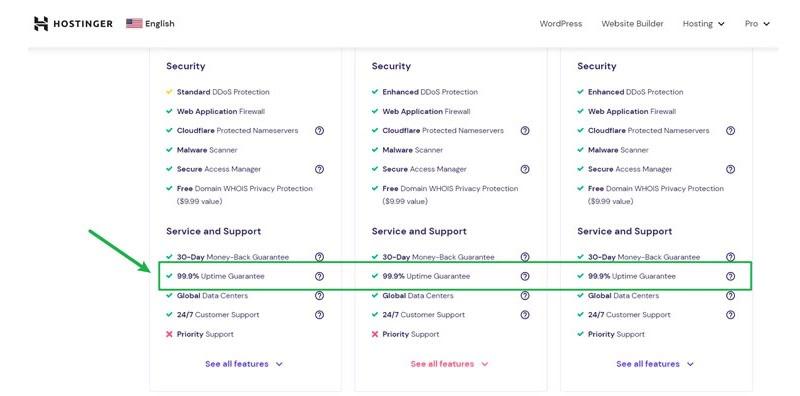
In today’s digital landscape, where every second of downtime can translate into lost revenue and diminished customer trust, the importance of uptime guarantees in shared hosting services cannot be overstated. As businesses increasingly rely on their online presence to engage with customers and drive sales, understanding the reliability of their hosting providers becomes paramount. Shared hosting, often a cost-effective solution for startups and small businesses, presents its own unique set of challenges—particularly when it comes to uptime. In this article, we will explore why uptime guarantees matter, the factors that influence these commitments, and how they can impact your website’s performance and your business’s bottom line. Join us as we delve into the intricacies of shared hosting and uncover why a trustworthy uptime guarantee should be a non-negotiable element of your hosting strategy.
Table of Contents
- Understanding Uptime Guarantees and Their Impact on Website Performance
- The Financial Implications of Downtime for Businesses and Online Ventures
- Evaluating Uptime Policies: Key Metrics to Consider When Choosing a Host
- Best Practices for Ensuring Maximum Uptime in Shared Hosting Environments
- Closing Remarks
Understanding Uptime Guarantees and Their Impact on Website Performance
Uptime guarantees play a crucial role in determining the reliability and performance of a shared hosting service. Many providers boast high uptime percentages, typically around 99.9% or more, ensuring that your website remains accessible to visitors almost all of the time. This metric is not merely a number; it represents the provider’s commitment to maintaining their servers and infrastructure. A high uptime guarantee can lead to enhanced user experience, as visitors are less likely to encounter errors when trying to access your website. Not only does this build trust among users, but it also positively impacts your site’s SEO, as search engines favor stable and consistently available sites.
However, it’s essential to recognize that uptime guarantees often come with specific terms and conditions. Providers may define what constitutes an ’outage,’ and many factors could influence whether the agreement holds, such as scheduled maintenance or unforeseen technical issues. Thus, before committing to a hosting plan, consider the following aspects:
- Service Level Agreements (SLAs): Review the SLA details to ensure you understand the implications of the uptime guarantee.
- Compensation Policies: Assess whether the provider offers compensation for outages. This could include service credits or discounts if uptime falls below the guaranteed level.
- Performance Monitoring: Look for services that provide real-time monitoring and reports, so you can track uptime statistics effectively.
The Financial Implications of Downtime for Businesses and Online Ventures
When businesses experience downtime, the financial consequences can be staggering. Each minute that a website is offline can translate into lost revenue, decreased customer trust, and a potential long-term impact on brand reputation. For online ventures, the implications are even more pronounced, as e-commerce sites rely heavily on audience engagement and seamless transactions. The cost of downtime includes:
- Revenue Loss: Every hour a site is down can lead to significant financial losses, especially for businesses with high transaction volumes.
- Operational Costs: Recovery efforts often involve additional expenses for technical support and troubleshooting.
- Customer Trust: Frequent outages can drive customers away, resulting in decreased lifetime value and retention rates.
A clear understanding of potential costs related to downtime can help businesses make informed decisions regarding their hosting services. For example, companies with annual revenue of $1 Million may lose:
| Downtime (Hours) | Estimated Revenue Loss |
|---|---|
| 1 | $41.67 |
| 5 | $208.33 |
| 10 | $416.67 |
| 24 | $1,000 |
Understanding these figures reinforces the importance of uptime guarantees offered by shared hosting services. Reliable hosting solutions not only minimize the risk of downtime but can also enhance overall customer satisfaction, stabilize revenue flow, and support business growth. The right hosting plan becomes not just a technical decision but a strategic investment in the company’s future success.
Evaluating Uptime Policies: Key Metrics to Consider When Choosing a Host
When assessing uptime policies for shared hosting services, it’s essential to focus on a few critical metrics that can help you gauge the reliability of a potential host. Uptime percentage is a primary metric, revealing the total time that the server is operational and accessible to your website visitors. Most reputable hosts offer claims of 99.9% uptime, which translates to just a few minutes of downtime per month. However, don’t be fooled by round numbers; digging deeper into their Service Level Agreements (SLAs) can expose the real terms and conditions that govern these guarantees.
Another vital metric to consider is the Mean Time to Repair (MTTR), which indicates how quickly a host can address and resolve outages. A lower MTTR signifies efficient incident management and a commitment to minimizing disruption. Furthermore, evaluating historical performance can offer insights into a host’s reliability over time. A host’s track record of downtime incidents, alongside customer reviews and third-party monitoring reports, can provide a clearer picture. Below is a simple comparison table of metrics to look for when evaluating uptime policies:
| Metric | Ideal Standard | What to Look For |
|---|---|---|
| Uptime Percentage | 99.9% | Clear SLA and penalties for downtime |
| Mean Time to Repair (MTTR) | Less than 1 hour | Quick recovery processes in place |
| Historical Downtime | Minimal | Customer testimonials and external statistics |
Best Practices for Ensuring Maximum Uptime in Shared Hosting Environments
To maintain maximum uptime in shared hosting environments, it’s crucial to implement proactive monitoring and management practices. This involves regularly checking your server performance metrics and resource usage to identify potential bottlenecks before they escalate into downtime issues. Consider adopting a robust uptime monitoring tool that can alert you of any interruptions instantly, enabling swift action to mitigate downtime. Additionally, following these best practices can significantly enhance the reliability of your shared hosting service:
- Choose a reputable hosting provider: Look for providers with a strong track record of uptime and reliability.
- Regularly update software: Ensure that your CMS, plugins, and other applications are up to date to avoid vulnerabilities.
- Optimize resource usage: Manage your website’s bandwidth and storage to prevent overloading the server.
- Implement caching solutions: Utilize caching mechanisms to reduce server load and improve response times.
Understanding the shared nature of hosting environments, it’s also wise to avoid over-reliance on a single server. The following strategies can help distribute your resources effectively:
| Strategy | Description |
|---|---|
| Load Balancing | Distribute traffic across multiple servers to minimize the risk of downtime. |
| Content Delivery Networks (CDNs) | Use CDNs to cache content closer to users, alleviating pressure on the origin server. |
| Regular Backups | Ensure data recovery options are available in case of server failure. |
Closing Remarks
uptime guarantees are not just marketing buzzwords; they are critical benchmarks that can significantly impact the performance, reliability, and overall success of your online presence. As businesses and individuals increasingly depend on digital platforms to engage with customers and showcase their offerings, the importance of a reliable hosting service cannot be overstated.
By understanding the nuances of uptime guarantees and their implications on service quality, you can make an informed choice when selecting a shared hosting provider. Look for transparency in uptime claims, seek out independent reviews, and always consider the long-term effects of downtime on your operations.
Investing in a hosting service that prioritizes uptime is an investment in your digital future. With the right provider by your side, you can focus on what matters most—growing your business and connecting with your audience—without the constant worry of unexpected outages. Remember, in the digital landscape, assurances matter; choose wisely, and let your online aspirations soar without interruption.