
Why Encryption is Crucial for Your VPN Service Security
In an era where digital privacy is increasingly threatened by cyberattacks, data breaches, and vigilant surveillance, the importance of a robust Virtual Private Network (VPN) has never been more pronounced. As users seek refuge from the prying eyes of hackers and intrusive governments, the choice of a VPN service plays a pivotal role in safeguarding personal data. However, not all VPNs are created equal, and at the heart of their security lies one crucial element: encryption. In this article, we will delve into why encryption is the cornerstone of your VPN service’s security, exploring how it protects your data, ensures anonymity, and ultimately empowers you to navigate the online world with confidence. Join us as we unravel the complexities of encryption and highlight its vital role in fortifying your digital presence.
Table of Contents
- Understanding the Fundamentals of VPN Encryption
- The Role of Encryption Protocols in Ensuring Data Privacy
- Best Practices for Choosing a Secure VPN Provider
- The Future of VPN Encryption: Trends and Emerging Technologies
- Closing Remarks
Understanding the Fundamentals of VPN Encryption
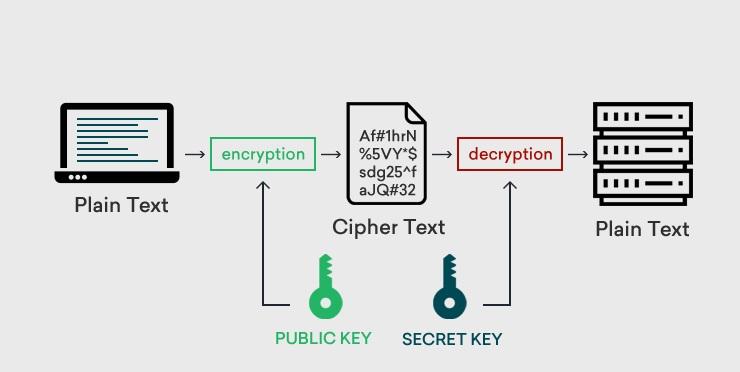
VPN encryption is the backbone of a secure virtual private network. It transforms your data into an unreadable format before it leaves your device, ensuring that even if malicious actors intercept your traffic, they cannot decipher its meaning. The primary encryption protocols used in VPN services include:
- OpenVPN: Highly configurable and secure, making it a popular choice.
- IKEv2/IPsec: Known for its speed and stability, especially on mobile devices.
- L2TP/IPsec: Combines the benefits of L2TP and IPsec for enhanced security.
- WireGuard: A newer protocol gaining popularity due to its simplicity and performance.
Understanding these protocols is vital for selecting a VPN service that meets your security needs. The strength of encryption is typically measured in bits, with higher bit lengths indicating stronger protection. Most reliable VPNs use at least 256-bit encryption, which is considered ultra-secure. To give you a clearer perspective, here’s a brief comparison of commonly used encryption standards:
| Encryption Standard | Key Length | Security Level |
|---|---|---|
| DES | 56 bits | Weak |
| AES | 128 bits | Moderate |
| AES | 256 bits | Strong |
By selecting a VPN with robust encryption methods, you ensure that your online activities remain private and secure from prying eyes, safeguarding sensitive information such as personal data, online banking details, and browsing history.
The Role of Encryption Protocols in Ensuring Data Privacy
Encryption protocols are the backbone of modern data privacy, acting as a secure layer that shields sensitive information from unauthorized access. By converting plain text into a coded format, encryption renders data unreadable to anyone lacking the appropriate keys. This is particularly vital for VPN services, which rely on these protocols to protect user data during transmission. Key benefits of utilizing strong encryption include:
- Confidentiality: Prevents outsiders from accessing personal data.
- Integrity: Ensures that data remains unaltered during transit.
- Authentication: Verifies the identities of parties communicating.
Among the various encryption protocols, some stand out for their robustness and efficiency. For example, protocols like AES (Advanced Encryption Standard) and OpenVPN are widely regarded as industry standards, offering impressive security measures that can thwart even the most determined attackers. The table below summarizes key encryption protocols commonly used in VPN services:
| Protocol | Key Features | Security Level |
|---|---|---|
| AES | Symmetric encryption, 128/256-bit keys | High |
| OpenVPN | Open-source, customizable | Very High |
| IKEv2/IPsec | Fast reconnection, mobile-friendly | High |
Ultimately, the implementation of effective encryption protocols within a VPN service not only safeguards data privacy but also cultivates trust among users. As cyber threats continue to evolve, deploying robust encryption measures becomes not just an option but a necessity for maintaining the integrity and confidentiality of users’ personal and business information.
Best Practices for Choosing a Secure VPN Provider
When selecting a VPN provider, it’s essential to prioritize security features to ensure your online activities remain private and protected. Look for providers that offer strong encryption protocols such as OpenVPN or WireGuard, as these ensure that your data is safeguarded from eavesdroppers and hackers. Additionally, consider whether the VPN offers a no-log policy, which guarantees that your browsing history isn’t stored or shared with third parties. To aid in your decision-making, here are key features to evaluate:
- Encryption Level: Minimum AES-256 encryption.
- Kill Switch: Automatic disconnection if the VPN drops.
- DNS Leak Protection: Prevents DNS requests from being exposed.
- Multi-platform Support: Compatibility with all your devices.
Furthermore, it’s advisable to assess the VPN provider’s reputation within the industry. Look for independent reviews and user testimonials to understand the provider’s track record regarding security and performance. A transparent communication policy can also indicate the provider’s commitment to user privacy. It’s beneficial to examine the following aspects before making your choice:
| Feature | Importance |
|---|---|
| Strong Encryption | High |
| No-Log Policy | Critical |
| Customer Support | Moderate |
| Transparency Reports | High |
The Future of VPN Encryption: Trends and Emerging Technologies
The landscape of VPN encryption is continuously evolving, driven by the need for enhanced security and faster internet access. With the rise of quantum computing, traditional encryption algorithms face new challenges. As a result, researchers and tech companies are exploring post-quantum cryptography, which aims to safeguard data against the potential threats posed by quantum machines. By integrating these new algorithms, VPN services can future-proof their encryption strategies, ensuring user data remains protected even as technology advances.
Moreover, innovations such as blockchain technology are beginning to influence the VPN sector. Decentralized networks enabled by blockchain can enhance privacy and security by distributing data across multiple nodes, making it significantly harder for attackers to tamper with or intercept sensitive information. Additionally, AI-driven encryption methods are gaining traction, offering smart adaptive solutions that can evolve with emerging threats. This dynamic approach to encryption not only secures user data more effectively but also optimizes connection speeds, thereby enhancing overall user experience.
Closing Remarks
the importance of encryption in your VPN service cannot be overstated. It serves as the cornerstone of your privacy, safeguarding your data against an ever-evolving landscape of cyber threats. By ensuring that your online activities remain hidden from prying eyes, encryption not only protects your personal information but also empowers you to browse the internet with confidence. As cyberattacks become increasingly sophisticated, choosing a VPN that prioritizes robust encryption techniques is no longer optional—it is essential.
As you navigate the digital world, remember that a secure connection is your first line of defense. Investing in a VPN with strong encryption capabilities is an investment in your online safety, ensuring that your freedom to explore the web is preserved without compromising your security. Stay informed, stay secure, and take the necessary steps to protect your digital life today. Your online privacy is worth it.