
Why Encryption is Crucial for VPN Security and Privacy
In today’s digital landscape, where data breaches and cyber threats loom larger than ever, safeguarding online privacy has become a paramount concern for individuals and businesses alike. With a growing reliance on virtual private networks (VPNs) to protect sensitive information, understanding the role of encryption in VPN security is crucial. While VPNs serve as a vital tool for masking your IP address and enhancing your online anonymity, the true strength of this technology lies in its encryption capabilities. In this article, we’ll explore why encryption is not just a technical detail, but a foundational aspect of VPN security that ensures your data remains confidential, secure, and out of the reach of prying eyes. Join us as we delve into the mechanics of encryption, its impact on privacy protection, and why choosing a VPN that prioritizes robust encryption is essential for anyone looking to navigate the internet safely in an age where digital threats are ever-evolving.
Table of Contents
- The Importance of Encryption in Protecting Online Privacy
- Understanding Different Encryption Protocols for VPN Security
- Best Practices for Ensuring Robust VPN Encryption
- Evaluating VPN Services: What to Look for in Encryption Standards
- Final Thoughts
The Importance of Encryption in Protecting Online Privacy
In an era where digital interactions are ubiquitous, safeguarding personal information has become a paramount concern. Encryption serves as a formidable shield against data breaches, ensuring that sensitive information remains accessible only to its intended recipients. Without robust encryption measures, online communications are susceptible to interception, which can lead to identity theft, financial fraud, and other malicious activities. Key benefits of utilizing encryption include:
- Data Confidentiality: Ensures that only authorized users can decrypt and access the data.
- Integrity Protection: Safeguards information from being altered during transmission.
- Authentication: Verifies the identities of both message senders and receivers.
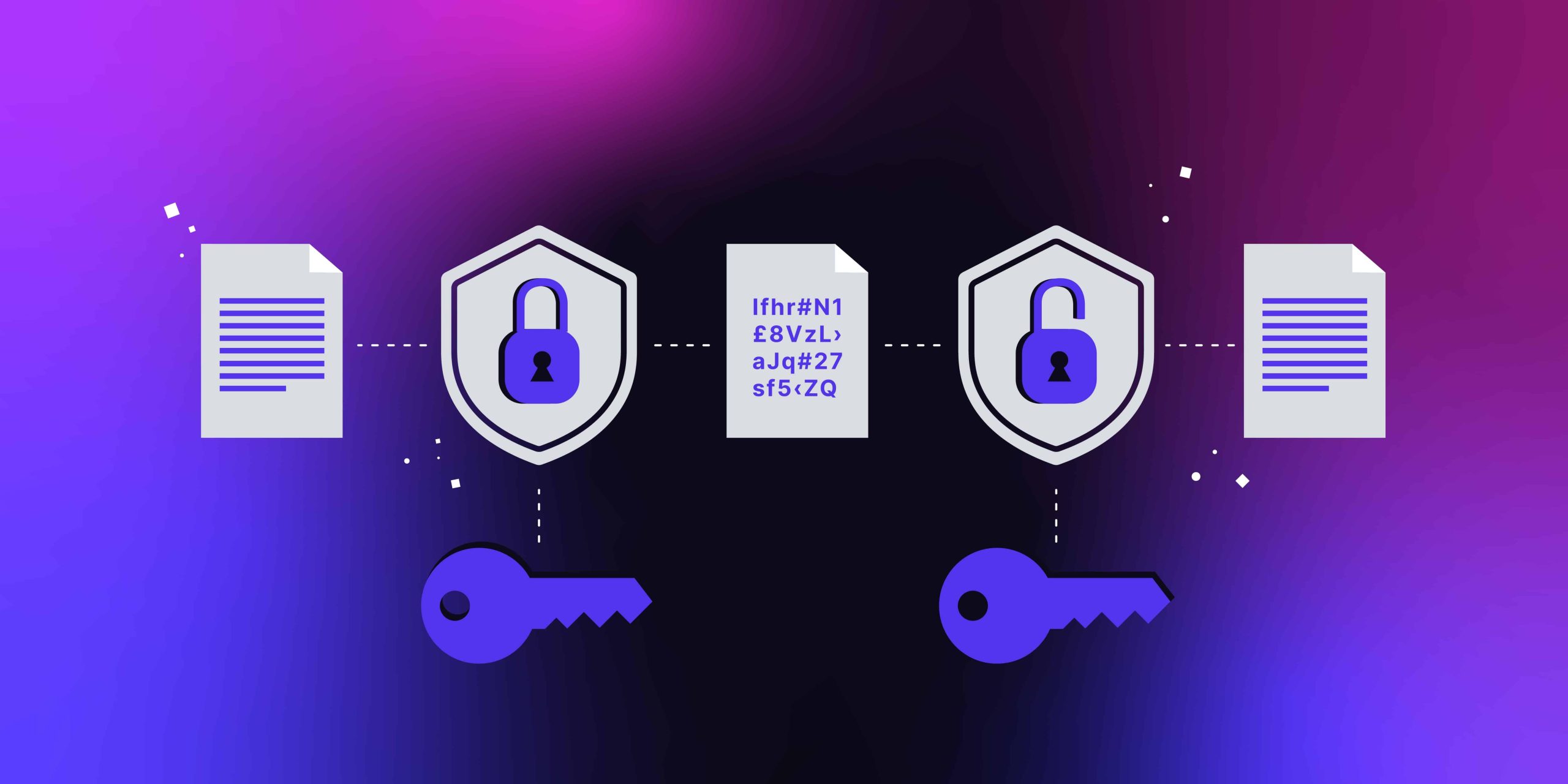
Implementing encryption within Virtual Private Networks (VPNs) enables users to maintain privacy while navigating the web. As users connect to the internet, their data flows through multiple channels, leaving potential exposure to prying eyes. End-to-end encryption mitigates these vulnerabilities by converting data into a secure format that is unreadable during transmission. Understanding the various encryption protocols can help individuals select the right VPN services. Below is a simple comparison of some common encryption methods:
| Encryption Method | Key Strength | Use Case |
|---|---|---|
| AES-128 | 128-bit | General use for typical data protection |
| AES-256 | 256-bit | High-security requirements, such as banking |
| RSA | 2048-bit | Secure key exchange processes |
Understanding Different Encryption Protocols for VPN Security
When it comes to VPN security, the choice of encryption protocol plays a vital role in safeguarding your data. Several protocols are designed to offer varying levels of security and performance. Among the most common are:
- OpenVPN: An open-source protocol praised for its robust security features and flexibility.
- IKEv2/IPSec: Known for its speed and ability to reconnect quickly, making it ideal for mobile devices.
- L2TP/IPSec: Combines Layer 2 Tunneling Protocol with IPsec for improved security, but may lack speed compared to others.
- PPTP: While easy to set up, its weaker security makes it less favorable for sensitive data.
Choosing the right encryption protocol is essential for maintaining a secure connection to the internet. Here’s a quick comparison of some popular encryption protocols based on their strength and speed:
| Protocol | Encryption Strength | Speed | Best For |
|---|---|---|---|
| OpenVPN | High | Moderate | All-around security |
| IKEv2/IPSec | High | High | Mobile users |
| L2TP/IPSec | Medium | Low | General usage |
| PPTP | Low | High | Basic browsing |
Best Practices for Ensuring Robust VPN Encryption
The effectiveness of a VPN in safeguarding your online activities largely depends on the strength of its encryption. To provide a strong defense against cyber threats and ensure user privacy, consider implementing the following practices:
- Select Strong Encryption Protocols: Opt for well-established protocols like OpenVPN, IKEv2/IPSec, or L2TP/IPSec. These protocols offer advanced encryption standards that are well-vetted in the security community.
- Utilize AES Encryption: Choose VPN services that employ AES (Advanced Encryption Standard) with at least 256-bit key lengths. This level of encryption is currently unbreakable by brute force attacks.
- Regularly Update Software: Ensure your VPN client and associated software are updated frequently to patch vulnerabilities and enhance security features.
In addition to encryption protocols, consider the following recommendations to further bolster your VPN’s security:
- Enable Perfect Forward Secrecy: This feature ensures that session keys are not reused, making it harder for attackers to decrypt past communications even if they manage to steal the encryption keys.
- Conduct Independent Audits: Choose a VPN provider that undergoes regular independent security audits, which can help validate their encryption claims and enhance trust.
- Implement Kill Switch and DNS Leak Protection: Ensure these features are enabled to prevent data leaks and maintain privacy when the VPN connection drops.
Evaluating VPN Services: What to Look for in Encryption Standards
When assessing VPN services, it’s essential to focus on the encryption standards they implement. The strength of a VPN largely hinges on its ability to secure user data through robust encryption protocols. Look for VPNs that utilize AES (Advanced Encryption Standard) with a minimum of 256-bit keys, which is considered military-grade security. In addition, familiarize yourself with the various protocols available, such as OpenVPN, IKEv2/IPsec, and WireGuard. Each protocol has its own trade-offs in terms of speed, security, and compatibility, so understanding these differences plays a crucial role in choosing the right VPN for your needs.
Another key aspect to consider is whether the VPN provider offers forward secrecy and DNS leak protection. Forward secrecy ensures that even if a session key is compromised, past communications remain secure. Look for VPN services that conduct regular security audits and transparency reports, as these practices reflect a commitment to maintaining high security standards. Additionally, assess the provider’s no-logs policy, which can help protect your privacy by ensuring that no identifiable information is stored. A reputable VPN will be transparent about its security measures, so don’t hesitate to ask questions or read their privacy policy thoroughly.
Final Thoughts
the importance of encryption in VPN security and privacy cannot be overstated. As cyber threats become more sophisticated and pervasive, the need for robust protective measures is critical. Encryption serves as the backbone of your VPN, providing a secure channel for your data and shielding your online activities from prying eyes.
By understanding how encryption works and why it is vital, you empower yourself to make informed choices about the VPN services you use. Opt for providers that prioritize strong encryption standards and transparent privacy policies, ensuring that your sensitive information remains safe from malicious actors.
In a world where data breaches and surveillance are all too common, investing in a reliable VPN with solid encryption is not just a precaution; it’s a necessity. Take control of your digital privacy, safeguard your online communications, and embrace the freedom that comes with a secure browsing experience. Remember, your privacy matters—make sure to protect it. Thank you for reading, and stay safe online!