
When to Opt for Shared Hosting: A Guide for Your Website
When launching a website, one of the first decisions you’ll face is choosing the right hosting solution. With numerous options available, each with its own set of advantages and drawbacks, it can be overwhelming to determine what fits your needs best. Among the choices, shared hosting stands out as an appealing option for many, especially for those just starting their online journey. But how do you know if it’s the right choice for you? In this guide, we’ll explore the ins and outs of shared hosting, highlighting when it is a wise decision and what factors to consider before signing up. Whether you’re a budding entrepreneur, a small business owner, or simply exploring the world of blogging, our insights will help you make a well-informed decision for your website’s hosting needs. Let’s dive in!
Table of Contents
- Understanding Shared Hosting and Its Benefits
- Identifying Your Website Needs for Shared Hosting
- Evaluating Performance and Limitations of Shared Hosting
- Making the Transition to Shared Hosting Seamlessly
- Final Thoughts
Understanding Shared Hosting and Its Benefits
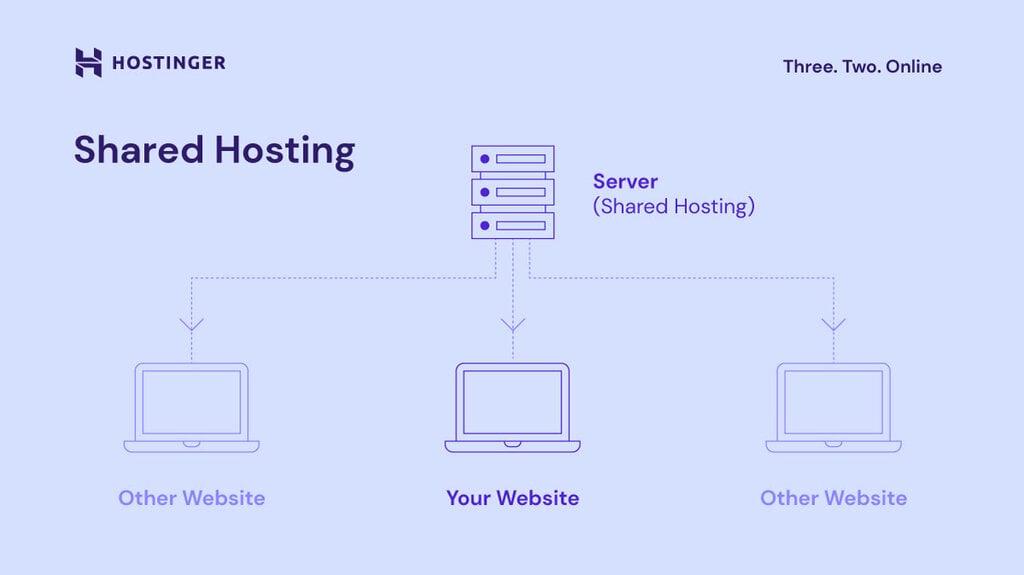
Shared hosting is an ideal solution for individuals and small businesses looking to establish an online presence without breaking the bank. In a shared hosting environment, multiple websites share the same server resources, which significantly reduces the cost of web hosting services. This type of hosting is particularly beneficial for new website owners or bloggers who may not require advanced functionalities or high-level performance initially. With affordable pricing and user-friendly management tools, shared hosting allows you to focus on creating content and growing your audience.
Another advantage of shared hosting is its ease of use and maintenance. Most hosting providers offer automated features like one-click installations for popular applications, including WordPress, which facilitates a smooth setup process for beginners. Additionally, shared hosting plans typically come with a range of essential services such as tech support, regular backups, and security features, allowing users to prioritize their primary goals. Here are some highlighted benefits of shared hosting:
- Cost-Effective: Lower monthly rates than dedicated hosting.
- Easy to Manage: User-friendly interfaces simplify website management.
- Scalable Options: Simple upgrades to higher plans as your website grows.
- Community Support: Access to a large user base enhances troubleshooting.
Identifying Your Website Needs for Shared Hosting
When considering shared hosting, it’s essential to analyze your website’s specific needs. This type of hosting is ideal for sites that are just starting out or have low to moderate traffic levels. To determine if it’s the right choice for you, consider the following factors:
- Website Purpose: Are you creating a personal blog, portfolio, or a small business website?
- Traffic Expectations: Estimate the number of visitors you anticipate during peak and off-peak times.
- Technical Skills: Are you comfortable with managing your hosting environment, or do you prefer a more guided, user-friendly setup?
- Budget Constraints: What are your financial limitations for hosting services?
Next, assess essential features that come with shared hosting packages. Common offerings can significantly influence your user experience and website performance. Here’s a brief overview of typical shared hosting features you may encounter:
| Feature | Description |
|---|---|
| Storage Space | Usually sufficient for smaller sites, ranging from 1GB to 10GB. |
| Bandwidth | Monthly data transfer limits; suitable for low to moderate traffic. |
| Email Accounts | Multiple accounts allowing for professional communication. |
| Technical Support | Access to customer support for troubleshooting and set-up assistance. |
Evaluating Performance and Limitations of Shared Hosting
When evaluating shared hosting, it’s crucial to consider both performance metrics and inherent limitations. One of the most significant advantages of shared hosting is its cost-effectiveness, often appealing to startups and small businesses. However, this affordability comes with potential performance drawbacks due to resource sharing among multiple users on the same server. Here are some key performance factors to keep in mind:
- Uptime: Most providers offer 99.9% uptime guarantees, but actual performance can vary.
- Speed: Resource allocation can lead to slower page load times when traffic spikes.
- Scalability: Limited resources mean that as your site grows, it may struggle to handle increased traffic.
In terms of limitations, shared hosting can restrict access to certain features that might be critical for your web applications. For instance, advanced configurations, such as custom server settings or specific software installations, are typically not allowed. Additionally, security measures are often shared, which can pose risks if another site on the server experiences a breach. Here are some common restrictions:
- Limited control: Users may not have root access to modify server settings.
- Bandwidth limitations: Most plans come with strict bandwidth caps that can impede performance during peak hours.
- Shared IP addresses: Your site could be negatively affected by the actions of others sharing the same IP.
Making the Transition to Shared Hosting Seamlessly
Transitioning to shared hosting can be a transformative experience for your website, especially when approached with careful planning. Begin by assessing your current hosting needs and considering the factors that will influence your choice. To make this shift seamless, prioritize tasks such as:
- Data Backup: Ensure you have reliable backups of your website files and databases before migrating.
- Choosing the Right Provider: Research and compare shared hosting providers based on their uptime, support, and scalability options.
- Testing Before the Move: If possible, create a staging environment to test how your site performs on the new shared hosting platform.
Once you’ve selected your provider, the next step is to facilitate a smooth migration. Communicate clearly with your new host about your existing setup and any specific requirements. Utilize tools or services offered by the provider that can simplify the process. During migration, focus on the following:
- DNS Changes: Update your domain’s DNS settings carefully to minimize downtime.
- Performance Monitoring: After the transition, monitor your website’s performance to identify any issues immediately.
- Seek Support: Don’t hesitate to reach out to customer support for assistance with any challenges you face during or after the migration.
Final Thoughts
shared hosting can be an excellent choice for those just starting their online journey, particularly when budget constraints and simplicity are top priorities. By understanding its strengths and limitations, you can make an informed decision that aligns with your website’s goals. Remember, it’s not just about saving costs; it’s about finding a hosting solution that allows your site to grow and adapt to your needs.
As your website evolves, you might eventually explore options like VPS or dedicated hosting, but for many small businesses, bloggers, and personal projects, shared hosting provides a solid foundation. We hope this guide has clarified when shared hosting might be right for you. If you have any experiences or questions regarding shared hosting, feel free to share in the comments below! Happy hosting!