
VPS vs. Dedicated Server: Selecting the Right Hosting Solution
When it comes to building a robust online presence, choosing the right hosting solution is a critical decision that can influence your website’s performance, security, and scalability. Two popular options that often come into the spotlight are Virtual Private Servers (VPS) and Dedicated Servers. Both provide unique advantages, yet they cater to different needs and budgets. Whether you’re a small business owner seeking to expand your digital footprint or a seasoned developer looking for enhanced control and performance, understanding the distinctions between these hosting options is essential. In this article, we will delve into the key differences between VPS and Dedicated Servers, weighing their benefits and disadvantages, to help you make an informed choice that aligns with your specific requirements. Join us as we explore the nuances of these two hosting solutions to find the best fit for your online endeavors.
Table of Contents
- Understanding VPS and Dedicated Server Hosting Options
- Performance Comparison: When to Choose VPS or Dedicated Servers
- Cost Analysis: Budgeting for the Right Hosting Solution
- Scalability and Flexibility: Meeting Future Business Needs
- Final Thoughts
Understanding VPS and Dedicated Server Hosting Options
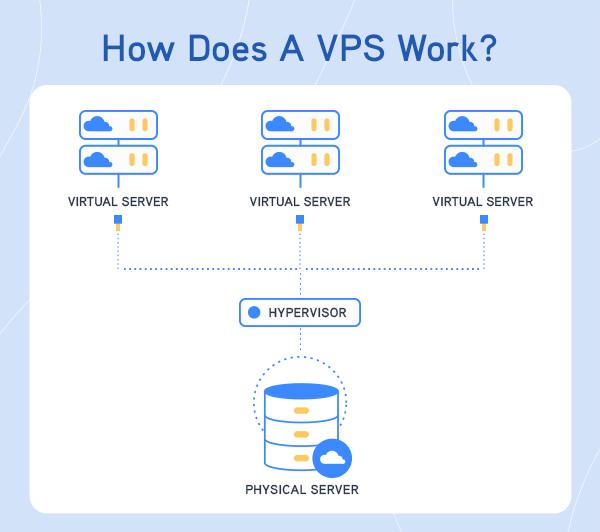
When evaluating hosting options, understanding the key differences between Virtual Private Servers (VPS) and dedicated servers is crucial. A VPS is a scalable solution that partitions a physical server into multiple virtual environments, allowing users to operate independently. This option is often more cost-effective, making it ideal for small to medium-sized businesses, or those experiencing moderate traffic. Benefits of using a VPS include:
- Cost Efficiency: More affordable than dedicated servers.
- Scalability: Adding resources as your needs grow.
- Isolation: Enhanced security and performance without the cost of a full server.
In contrast, dedicated server hosting offers an entire physical server exclusively for one user or organization. This option is suitable for enterprises with high traffic demands or specific compliance requirements. The key advantages of dedicated servers include:
- Performance: Unmatched speed and uptime potential.
- Customization: Full control over hardware and software configurations.
- Security: Enhanced protection, ideal for sensitive handling of data.
| Feature | VPS Hosting | Dedicated Server Hosting |
|---|---|---|
| Cost | Lower | Higher |
| Resource Allocation | Shared among users | Exclusive to one user |
| Best For | Small to medium businesses | Large businesses or high-traffic sites |
Performance Comparison: When to Choose VPS or Dedicated Servers
When considering performance, both VPS (Virtual Private Server) and dedicated servers have their unique advantages. A VPS splits resources across multiple users while maintaining a degree of isolation, which makes it a cost-effective solution for small to medium-sized businesses. The performance of a VPS generally exceeds that of shared hosting due to dedicated portions of RAM and CPU allocation. This can be particularly beneficial for websites experiencing moderate traffic or resource-intensive applications. Key benefits of VPS include:
- Scalability to accommodate growth, allowing users to easily adjust resources as needed.
- Customizability for optimized performance through tailored configurations.
- Cost efficiency, striking a balance between performance and budget.
On the other hand, dedicated servers deliver unparalleled performance, as they provide the entire server to a single user. This ensures maximum resource availability, which is critical for high-traffic websites, large databases, or applications requiring significant processing power. Organizations that prioritize performance and reliability may find dedicated servers the ideal choice, despite the higher cost. Consider these factors when evaluating dedicated servers:
- Exceptional uptime with reduced risk of downtime.
- Complete control over server settings and configurations for optimal performance.
- High levels of security, beneficial for sensitive data handling.
Cost Analysis: Budgeting for the Right Hosting Solution
When evaluating hosting solutions, it’s essential to align your choice with your budget while ensuring it meets your operational needs. A VPS (Virtual Private Server) typically offers a more cost-effective option for businesses that require dedicated resources without the hefty price tag of a dedicated server. With VPS hosting, you can expect lower monthly costs and more flexibility, making it an appealing choice for small to medium-sized enterprises. The initial savings can be significant, allowing you to allocate funds to other critical areas of your business.
In contrast, a dedicated server demands a higher upfront investment but comes with enhanced performance and complete resource allocation. If your business is growing rapidly or relies heavily on high-traffic websites, the initial costs may justify the long-term benefits. Consider the following factors when budgeting for your hosting solution:
- Scalability: Will your needs grow over time?
- Performance: Do you require maximum uptime and speed?
- Technical Support: Is 24/7 support important for your operations?
- Security: What level of security do you require?
| Hosting Type | Cost Range (Monthly) | Ideal For |
|---|---|---|
| VPS | $20 – $100 | Small to Medium Businesses |
| Dedicated Server | $80 – $300+ | High-Traffic Websites, Enterprises |
Scalability and Flexibility: Meeting Future Business Needs
When businesses consider growth, having a robust hosting solution that can adapt to changing demands is crucial. VPS (Virtual Private Server) hosting offers a level of scalability that many companies find appealing. With resources allocated on a virtualized platform, businesses can easily upgrade their plans as traffic increases or when the need for additional resources arises. This means that as your business expands, you won’t have to worry about moving to a different server entirely. Instead, you can scale your performance through just a few clicks, ensuring minimal disruption to your website’s functionality.
In contrast, Dedicated Servers are often seen as a powerful choice for organizations with significant resource requirements. However, scaling can be less straightforward. Typically, businesses may need to invest in additional hardware, which can involve considerable time and expense. Dedicated servers provide unmatched performance, but they usually tie companies down to specific configurations. For businesses anticipating rapid growth or fluctuations in customer demand, a VPS may offer a better balance of flexibility and cost-effectiveness, allowing them to pivot and adapt without the hassle of physical upgrades.
| Feature | VPS Hosting | Dedicated Server |
|---|---|---|
| Scalability | Easily adjustable | Limited without hardware changes |
| Cost Efficiency | More affordable for startups | Higher upfront costs |
| Resource Allocation | Dedicated resources but flexible | Entire server dedicated to you |
Final Thoughts
choosing between a VPS and a dedicated server ultimately boils down to your specific needs, budget, and growth aspirations. VPS hosting offers a balanced blend of resources and affordability, making it an excellent choice for small to medium-sized businesses, or for those just starting out. On the other hand, dedicated servers provide unparalleled power and control, making them ideal for larger enterprises or applications with heavy resource demands.
Before making your decision, take the time to assess your current and future requirements. Consider factors such as traffic volume, application type, and the level of technical expertise available in your team. Whichever path you choose, both hosting solutions bring unique advantages that can propel your online presence to new heights.
As technology continues to evolve, staying informed about the latest hosting options and their potential impacts on your business is crucial. Remember, the right hosting solution is not just about immediate needs; it’s about anticipating future growth and ensuring your online infrastructure supports that journey. If you have any questions or need further guidance, feel free to reach out. Happy hosting!