
Unlocking Performance: The Benefits of SSD Storage in VPS Hosting
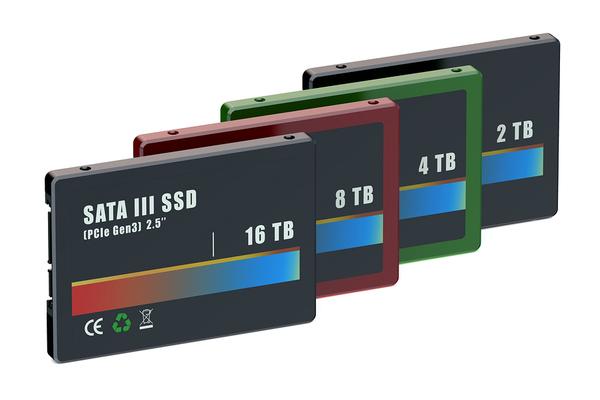
In today’s digital landscape, speed and efficiency are more than just desirable traits—they’re essential for businesses striving to maintain a competitive edge. As the demand for robust online presence grows, many companies are turning to Virtual Private Server (VPS) hosting solutions to meet their needs. However, the technology underlying these servers plays a pivotal role in overall performance. Enter Solid State Drives (SSDs): a game-changing advancement in storage technology that is revolutionizing the VPS hosting experience. In this article, we will delve into the myriad benefits of SSD storage, exploring how it can unlock unparalleled performance, enhance reliability, and ultimately drive business success in an increasingly demanding environment. Whether you’re a seasoned techie or a business owner looking to optimize your hosting solution, understanding the power of SSDs in VPS hosting is crucial as you navigate the digital age.
Table of Contents
- Exploring the Speed Advantage of SSD Storage in VPS Hosting
- Enhancing Reliability and Durability: Why SSDs Outperform Traditional HDDs
- Cost-Effectiveness of SSD Storage: Long-Term Savings for VPS Users
- Optimizing Performance: Best Practices for Implementing SSDs in Your VPS Setup
- Concluding Remarks
Exploring the Speed Advantage of SSD Storage in VPS Hosting
One of the most significant advantages of utilizing SSD storage in VPS hosting is the dramatic improvement in data access speeds. Unlike traditional HDDs, which rely on spinning disks and mechanical components, SSDs use flash memory to store data, resulting in instantaneous access times. This means that applications hosted on SSD-backed VPS can read and write data far more quickly, leading to improved load times and a smoother user experience. Additionally, tasks such as database operations, file transfers, and web application deployments become noticeably faster, enhancing overall productivity for developers and businesses alike.
Moreover, the impact of deploying SSD storage extends beyond mere speed. With enhanced durability and lower latency, SSDs contribute to a more reliable hosting environment. They are less prone to mechanical failure compared to traditional hard drives, ensuring that your applications remain accessible. Consider the following benefits of SSDs in VPS environments:
- Reduced Latency: Instant data retrieval minimizes lag time.
- Improved I/O Operations: Handle multiple requests simultaneously without a hitch.
- Energy Efficiency: SSDs consume less power, potentially reducing operational costs.
Enhancing Reliability and Durability: Why SSDs Outperform Traditional HDDs
When it comes to reliability, SSDs have a clear edge over traditional HDDs. Unlike HDDs, which rely on spinning disks and moving parts, SSDs utilize flash memory technology, making them inherently more resistant to physical shock and damage. This robust construction translates into a lower failure rate and greater longevity, reducing the risk of data loss for VPS users. Additionally, SSDs handle fluctuations in power supply better, protecting your data integrity during unexpected shutdowns or power surges.
Durability is equally decisive when comparing the two storage solutions. SSDs exhibit superior operational endurance, thanks to their lack of mechanical components. This feature allows them to read and write data faster and more efficiently over time. Furthermore, SSDs support a higher number of write cycles, making them ideal for environments with heavy data workloads. When implementing SSDs in VPS hosting, users can expect:
- Faster data access: Minimal latency leads to quicker load times.
- Lower failure rates: Enhanced reliability for mission-critical applications.
- Increased energy efficiency: Reduced power consumption for cost-effective hosting solutions.
Cost-Effectiveness of SSD Storage: Long-Term Savings for VPS Users
When considering the switch to SSD storage for your VPS, one of the most significant advantages lies in its potential for cost-effectiveness over time. Unlike traditional HDDs, which may offer lower initial costs, SSDs provide enhanced performance that translates into savings on operational expenses. Faster data retrieval speeds not only boost application performance but also reduce the time users spend waiting for processes to complete. This efficiency can lead to decreased bandwidth consumption, allowing you to optimize your hosting plan for a better balance between performance and expense.
Moreover, the longevity of SSDs can further cement their role as a prudent investment. With fewer moving parts than HDDs, SSDs generally exhibit lower failure rates, reducing the likelihood of costly downtime or data loss. To illustrate the long-term savings involved, consider the following aspects:
- Reduced Energy Costs: SSDs consume less power, lowering your electricity bills.
- Lower Maintenance Costs: Their durability means less frequent replacements and repairs.
- Increased Productivity: Enhanced speed can lead to improved workflow efficiency, resulting in potential revenue growth.
| Factor | HDD | SSD |
|---|---|---|
| Initial Cost | Lower | Higher |
| Energy Consumption | Higher | Lower |
| Maintenance Frequency | Higher | Lower |
| Lifespan | Shorter | Longer |
Optimizing Performance: Best Practices for Implementing SSDs in Your VPS Setup
To truly harness the speed advantages that SSDs offer in your VPS setup, consider the following best practices. Choose the right SSD type: Depending on your workload, opt for SATA, NVMe, or PCIe SSDs that align with your performance goals. SATA may be sufficient for basic tasks, while NVMe drives will cater to applications requiring rapid data transfer speeds. Additionally, monitor system performance regularly. Tools such as iostat or hdparm can help analyze your SSD’s read/write speeds and help you identify any potential bottlenecks.
Furthermore, implement data redundancy with RAID configurations to enhance both speed and fault tolerance. Using RAID 0 can boost performance with striping, but be cautious, as it lacks redundancy. On the other hand, RAID 10 combines speed and redundancy, proving to be a popular choice for performance-driven applications. It’s also prudent to enable TRIM support, which helps maintain SSD performance by optimizing disk space utilization and prolonging the lifespan of your SSDs. By incorporating these practices, you can unlock the full potential of your SSDs and elevate your VPS experience.
Concluding Remarks
the transition to SSD storage in VPS hosting is not just a technological upgrade; it’s a strategic move that can unlock significant performance enhancements for your online presence. By leveraging the speed, reliability, and efficiency that SSDs offer, businesses of all sizes can experience faster load times, improved data accessibility, and overall enhanced user experiences. As we continue to navigate an increasingly digital landscape, investing in SSD technology is a proactive step toward staying competitive and responsive to user needs.
Whether you’re running a bustling e-commerce site, a resource-intensive application, or a content-rich platform, adopting SSD storage can significantly impact your operational efficiency and scalability. As you consider your hosting options, remember that the benefits of SSDs go beyond just speed—they can also lead to cost savings and increased customer satisfaction.
We hope this article has provided valuable insights into how SSD storage can transform your VPS hosting experience. If you’re ready to take the leap and boost your performance, explore your hosting options today and unlock the full potential of your online endeavors. Thank you for reading, and here’s to a faster and more efficient future!