
Unlocking Efficiency: MySQL Databases in Shared Hosting
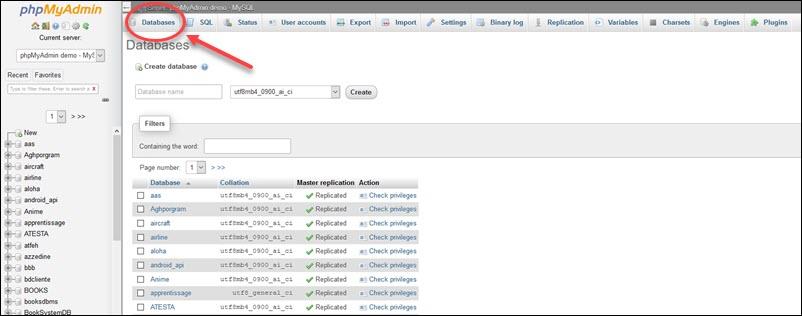
In today’s digital landscape, the choice of hosting can significantly influence the performance of your website. For small businesses, startups, and developers looking to optimize costs without sacrificing quality, shared hosting with MySQL databases offers an appealing solution. As one of the most popular relational database management systems, MySQL has established itself as a reliable backbone for data-driven applications, powering everything from simple blogs to complex e-commerce platforms. In this article, we’ll explore how leveraging MySQL databases in a shared hosting environment can enhance your website’s efficiency, streamline data management, and ultimately support your growth. We will delve into the advantages, potential limitations, and best practices to ensure you unlock the full potential of your shared hosting experience with MySQL. Whether you’re a seasoned developer or just starting, understanding these dynamics can lead to better decision-making in your hosting strategies. Let’s get started!
Table of Contents
- Understanding MySQL Databases and Their Role in Shared Hosting
- Optimizing MySQL Performance for Enhanced Website Efficiency
- Best Practices for Managing MySQL Databases in a Shared Environment
- Troubleshooting Common MySQL Issues in Shared Hosting Scenarios
- The Way Forward
Understanding MySQL Databases and Their Role in Shared Hosting
MySQL databases are fundamental to the functionality of web applications hosted on shared servers. They provide a structured method for storing and retrieving data which is essential for dynamic websites. In a shared hosting environment, multiple users access the same server resources, making efficient database management crucial. Key benefits of using MySQL in this setting include:
- Cost Efficiency: By sharing server resources, hosting costs are significantly reduced.
- Scalability: MySQL databases can handle varying loads, allowing websites to grow without major architectural shifts.
- Familiar Interface: With a wide range of tools, including phpMyAdmin, MySQL lends itself to ease of use.
In terms of security, MySQL provides robust support for user authentication and access control, essential for maintaining the integrity of data in a shared environment. Moreover, the integration of MySQL with PHP and other programming languages allows developers to create feature-rich applications seamlessly. Here’s a simple comparison of MySQL features beneficial in shared hosting:
| Feature | Benefits |
|---|---|
| Data Management | Efficient handling and retrieval of data. |
| User Control | Secure management of user permissions. |
| Backup Options | Regular backups ensure data safety. |
Optimizing MySQL Performance for Enhanced Website Efficiency
To maximize the performance of your MySQL databases in a shared hosting environment, it’s crucial to implement best practices that reduce resource consumption and enhance query execution speed. Optimizing your database schema is a primary step; ensure your tables are properly indexed, as indexes significantly increase retrieval speed. Additionally, focus on data normalization to eliminate redundancy and improve efficiency, thereby minimizing the load on the server. Utilizing efficient queries can also greatly affect performance; opt for SELECT statements that only retrieve necessary columns and apply WHERE clauses to limit the number of rows processed.
Another key aspect is regular maintenance and monitoring. Schedule tasks to analyze and optimize your database periodically, using tools like MySQL’s OPTIMIZE TABLE command. Keeping an eye on resource utilization can help identify slow queries for further optimization. Below is a simple table illustrating common database optimization strategies:
| Optimization Strategy | Description |
|---|---|
| Indexing | Improves query performance by allowing faster data retrieval. |
| Query Optimization | Revises SQL queries to be more efficient and resource-friendly. |
| Regular Maintenance | Ensures the database is running smoothly through periodic checks. |
Best Practices for Managing MySQL Databases in a Shared Environment
Managing MySQL databases in a shared environment requires a strategic approach to optimize performance and ensure stability. Regular backups are indispensable; schedule automated backups to safeguard your data without manual intervention. Utilize indexes to enhance query performance, as they allow for faster data retrieval by reducing search time. Additionally, keep your database connections to a minimum by employing connection pooling, which helps manage the number of concurrent connections and reduces the load on the server.
It’s equally crucial to monitor your database activity. Implement query optimization by reviewing slow queries and adjusting them for better performance. You can make use of tools like MySQL Tuner to analyze performance and identify bottlenecks. To further enhance efficiency, consider setting up user permissions carefully, ensuring that only authorized users have access to sensitive data while limiting the capabilities of standard users. This layered approach not only secures your database but also minimizes potential risks in a shared hosting environment.
Troubleshooting Common MySQL Issues in Shared Hosting Scenarios
When utilizing MySQL on shared hosting platforms, various issues can arise that hinder your database’s performance and accessibility. One common problem is database connection errors, often caused by incorrect credentials or server settings. To diagnose this, ensure that the database name, username, and password are all correctly entered in your configuration file. Additionally, check for user privileges; if your MySQL user doesn’t have proper permissions, it won’t be able to access necessary resources.
Another frequent issue is slow query performance, which can arise from poorly optimized SQL queries or inadequate server resources. To troubleshoot, consider utilizing the EXPLAIN statement for your queries to analyze their execution plan. It’s also critical to ensure that indexes are applied properly on columns frequently utilized in WHERE clauses. If the problem persists, review the shared hosting provider’s specifications to evaluate whether upgrading to a plan with enhanced resources might be necessary.
The Way Forward
As we wrap up our exploration of “,” it’s clear that leveraging MySQL in a shared hosting environment can yield significant benefits for businesses and developers alike. By optimizing database performance, choosing the right hosting provider, and implementing best practices, you can create an efficient and scalable solution without breaking the bank.
Shared hosting doesn’t have to mean compromising on quality or performance. With the right strategies, you can harness the full potential of MySQL databases, ensuring that your applications and websites run smoothly, even under high traffic conditions. Remember, the key is to remain proactive—regularly monitor your database performance, refine your queries, and stay updated on the latest trends and technologies.
We hope this guide equips you with the knowledge you need to make informed decisions and unlock the full potential of your shared hosting setup. If you have any questions or experiences to share, feel free to leave a comment below. Happy hosting!