
Understanding VPNs: What They Are and How They Function
In today’s digital landscape, where privacy concerns and cyber threats are more prominent than ever, understanding the tools that safeguard our online activities is essential. One of the most effective tools at our disposal is a Virtual Private Network, or VPN. But what exactly is a VPN, and how does it function to protect your data and enhance your online experience? In this article, we will delve into the fundamentals of VPN technology, exploring its key features, the underlying mechanics that allow it to operate, and the various scenarios where it can be beneficial for both individual users and businesses alike. Whether you’re a seasoned tech enthusiast or just beginning to navigate the complexities of online security, this comprehensive guide will equip you with the knowledge needed to make informed decisions about your internet privacy and protection. Let’s uncover the mysteries behind VPNs and empower you to browse with confidence.
Table of Contents
- The Fundamentals of VPN Technology and Its Importance in Today’s Digital Landscape
- How VPNs Enhance Online Privacy and Security: Key Features Explained
- Choosing the Right VPN: Essential Factors and User Recommendations
- Common Misconceptions About VPNs: Debunking Myths and Understanding Limitations
- Key Takeaways
The Fundamentals of VPN Technology and Its Importance in Today’s Digital Landscape
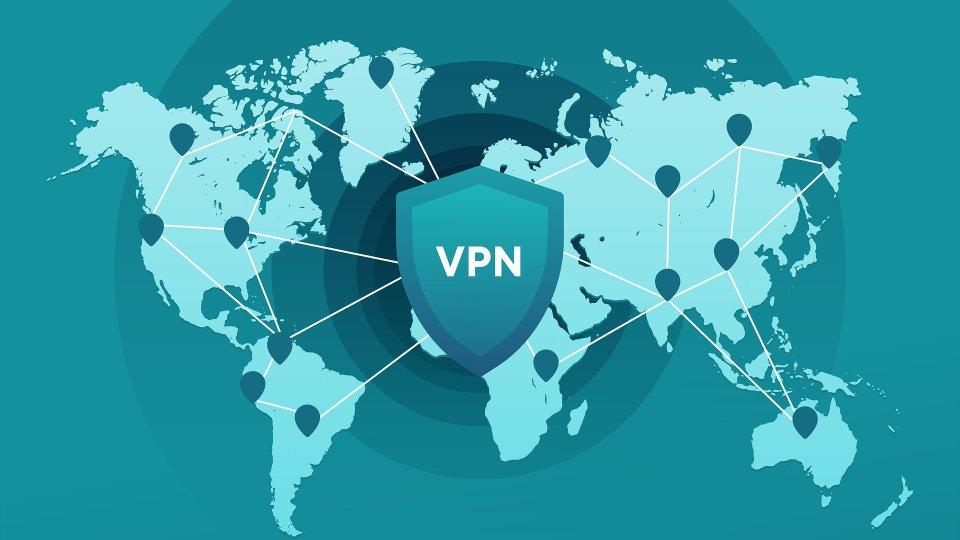
Virtual Private Networks (VPNs) serve as a crucial layer of security in the ever-evolving digital world. By creating a secure tunnel for your internet traffic, VPNs encrypt your data, making it difficult for prying eyes—whether they are hackers, internet service providers (ISPs), or government entities—to access your sensitive information. This encryption ensures that online activities remain private, allowing users to browse, stream, and communicate without fear of surveillance. The fundamental technologies behind VPNs include tunneling protocols, encryption standards, and various authentication methods that collectively safeguard your online presence.
In today’s fast-paced digital landscape, the significance of VPN technology cannot be overstated. Here are some key benefits that highlight why VPNs are essential:
- Enhanced Privacy: VPNs mask your IP address, providing anonymity online.
- Data Security: Encryption protects sensitive information from cyber threats.
- Access to Restricted Content: Bypass geo-restrictions to access global content.
- Safe Public Wi-Fi Usage: Protects your data while connecting to unsecured networks.
As cyber threats continue to become more sophisticated, the need for robust digital privacy tools like VPNs will only grow. They are not only a safeguard for individuals but also a vital resource for businesses aiming to protect sensitive corporate data and communication. In essence, VPN technology bridges the gap between user freedom and data security, creating a safer internet environment for all.
How VPNs Enhance Online Privacy and Security: Key Features Explained
Using a VPN is like erecting a digital fortress around your online activities. One of the key features of a VPN is its encryption capabilities. When you connect to a VPN, your internet traffic is encrypted, which means that any sensitive information you send or receive—be it passwords, credit card details, or personal messages—is scrambled and rendered unreadable to hackers or snoopers. This encryption provides a powerful layer of security, especially when using public Wi-Fi networks, which are notoriously vulnerable to cyber threats. Furthermore, by masking your IP address, VPNs help maintain your anonymity online, making it difficult for websites and advertisers to track your browsing habits and location.
Another essential feature of VPNs is their ability to allow users to bypass regional restrictions and censorship. With a VPN, you can appear to be accessing the internet from a different country, thus gaining access to content that may be restricted in your actual location. This is particularly useful for streaming services that might offer different libraries in various regions. Additionally, VPNs often come equipped with kill switches that automatically sever your internet connection if the VPN fails, ensuring that your real IP address and data remain hidden at all times. these features combine to create a comprehensive solution for those looking to protect their privacy and secure their online communications.
Choosing the Right VPN: Essential Factors and User Recommendations
When it comes to selecting a VPN, there are several critical factors to consider to ensure that your choice meets your needs and expectations. First and foremost, look for security protocols; reputable VPNs should offer strong encryption standards, such as AES-256, to protect your data from prying eyes. Additionally, assess the VPN’s no-logs policy; a reliable provider will not store any information about your online activities, ensuring greater privacy. Further, consider the server locations available; a broader range can help you bypass geo-restrictions more effectively. Lastly, examine the device compatibility to make sure the VPN can be used across your preferred devices, including smartphones, tablets, and routers.
In terms of user experiences, several VPNs have garnered positive feedback and recommendations. Here is a quick comparison of some top-rated services:
| VPN Provider | Key Feature | User Rating |
|---|---|---|
| ExpressVPN | Fast Speeds | 4.8/5 |
| NordVPN | Double VPN Feature | 4.7/5 |
| Surfshark | Unlimited Devices | 4.6/5 |
| CyberGhost | User-Friendly Interface | 4.5/5 |
Always prioritize user recommendations and reviews to gain insights into real-world performance and customer support. Choosing a VPN isn’t just about features; it’s about finding a reliable partner to protect your online presence.
Common Misconceptions About VPNs: Debunking Myths and Understanding Limitations
While VPNs are often lauded for their ability to enhance online privacy and security, several misconceptions can lead users to have unrealistic expectations. One frequent myth is that VPNs make you completely anonymous online. In reality, while a VPN can mask your IP address and encrypt your data, it does not make you invisible. Websites can still track your behaviour via cookies, and your activities can be visible to the VPN provider. It’s essential to choose a reputable VPN service with a strong privacy policy to mitigate this risk, but complete anonymity remains a challenge.
Another common misunderstanding is that using a VPN will significantly increase your internet speed. Many assume that the encryption process will always slow down their connection due to added overhead. However, under certain circumstances, VPNs can enhance speed by bypassing bandwidth throttling imposed by Internet Service Providers (ISPs) during high-traffic times. That said, the extent of any speed increase or decrease can vary based on factors such as the quality of the VPN service and the distance from the VPN server. Understanding these limitations can help users make informed choices and manage their expectations.
Key Takeaways
As we conclude our exploration of Virtual Private Networks (VPNs), it’s clear that understanding how they operate is essential in today’s digital landscape. With the increasing threats to online privacy and security, VPNs offer a robust solution for safeguarding your data, whether you’re browsing in a café or accessing sensitive information from a public Wi-Fi network.
By encrypting your internet connection and masking your IP address, VPNs empower you to browse freely while minimizing your risk of exposure to cybercriminals and intrusive surveillance. Remember, not all VPN services are created equal; choosing one that aligns with your needs, be it for streaming, accessing geo-restricted content, or enhancing your online privacy, is crucial.
As you move forward in your online journey, consider incorporating a VPN into your digital toolkit for a safer, more secure internet experience. With the right knowledge and tools, you can confidently navigate the complexities of the online world. Stay informed, stay secure, and happy browsing!