
Understanding Shared Hosting: A Comprehensive Overview
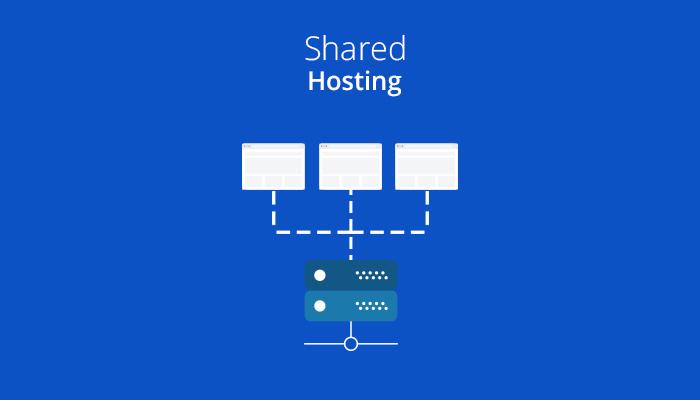
In today’s digital age, establishing an online presence is essential for individuals and businesses alike. Whether you’re launching a personal blog, an e-commerce site, or a portfolio for your creative work, choosing the right hosting solution is a crucial first step. Among the various web hosting options available, shared hosting stands out as one of the most popular and cost-effective choices—especially for beginners and small businesses.
But what exactly is shared hosting, and how does it work? In this comprehensive overview, we’ll delve into the ins and outs of shared hosting, exploring its benefits, potential drawbacks, and key considerations when selecting a shared hosting provider. By understanding the fundamentals of shared hosting, you’ll be better equipped to make informed decisions that align with your goals, ensuring a smooth and successful online experience. Let’s explore the world of shared hosting and discover how it can serve as the foundation for your digital success.
Table of Contents
- Key Features of Shared Hosting Explained
- Evaluating Performance and Reliability in Shared Hosting
- Selecting the Right Shared Hosting Provider for Your Needs
- Common Misconceptions About Shared Hosting Debunked
- Concluding Remarks
Key Features of Shared Hosting Explained
Shared hosting offers several key features that make it an appealing choice for individuals and small businesses looking to establish an online presence. One of the most notable aspects is cost-effectiveness. Since multiple users share the same server resources, the overall costs are significantly reduced, making it a budget-friendly option for those just starting out. Additionally, most shared hosting plans come with user-friendly control panels that simplify website management, enabling users without technical expertise to set up and maintain their sites easily.
Furthermore, shared hosting typically includes pre-installed applications such as content management systems (CMS) like WordPress, making it convenient for users to launch their websites quickly. The service generally carries automatic updates and backups, which ease the burden on users by ensuring that their sites remain secure and up-to-date without manual intervention. Another critical feature is the access to 24/7 customer support, helping users resolve issues promptly, thereby enhancing their overall experience in the digital space.
Evaluating Performance and Reliability in Shared Hosting
When considering a shared hosting service, it’s essential to assess both performance and reliability to ensure your website functions smoothly and remains accessible. Performance is typically gauged through various metrics such as loading speed, uptime percentage, and resource allocation. A reliable provider should offer an uptime guarantee of at least 99.9%, while loading times should fall within the optimal range of 1-3 seconds. Consistently high performance not only improves user experience but also plays a significant role in search engine optimization.
Reliability in shared hosting goes beyond just server performance; it encompasses customer support and backup protocols. The best plans often feature:
- 24/7 Customer Support: Ensure that assistance is available any time issues arise.
- Regular Backups: Look for hosts that offer automated backups to safeguard your data.
- Scalability Options: Consider if you can upgrade easily as your website grows.
To compare, the following table outlines key factors of various shared hosting providers:
| Provider | Uptime Guarantee | Average Loading Time | Support Availability |
|---|---|---|---|
| Host A | 99.9% | 2.0 sec | 24/7 |
| Host B | 99.8% | 2.5 sec | 24/7 |
| Host C | 99.95% | 1.8 sec | Weekdays Only |
Selecting the Right Shared Hosting Provider for Your Needs
Choosing a shared hosting provider is a pivotal step in establishing your online presence. With numerous options available, it’s crucial to evaluate what aligns best with your specific requirements. Key factors to consider include:
- Performance: Look for providers that offer reliable uptime and fast loading times, as these can significantly impact user experience and SEO.
- Customer Support: Access to knowledgeable and responsive support is essential, especially if you encounter technical issues.
- Storage and Bandwidth: Ensure that the hosting plan includes adequate resources to handle your website traffic and file storage needs.
- Scalability: Consider whether the provider allows easy upgrading of your plan as your website grows.
Another important aspect to weigh is the provider’s reputation. Reading reviews and testimonials can provide insights into how well they perform and meet customer needs. Additionally, consider the following when making your choice:
- Reputation: Research the provider to gauge their reliability and service history.
- Security Features: Look for hosting plans that include SSL certificates and malware protection.
- Pricing: Compare pricing models and make sure there are no hidden fees or steep renewal rates.
- Control Panel: A user-friendly control panel can simplify the management of your hosting environment.
| Provider | Uptime Guarantee | Customer Support | Starting Price |
|---|---|---|---|
| HostGator | 99.9% | 24/7 Live Chat | $2.75/month |
| Bluehost | 99.98% | 24/7 Phone Support | $2.95/month |
| SiteGround | 99.99% | 24/7 Live Chat & Tickets | $3.99/month |
Common Misconceptions About Shared Hosting Debunked
One of the most prevalent myths surrounding shared hosting is the belief that it’s inherently slow and unreliable. While it’s true that resources are shared among multiple users, reputable hosting providers utilize robust hardware and intelligent resource allocation to ensure optimal performance. Modern shared hosting solutions often employ technologies like SSD storage, caching mechanisms, and efficient load balancing, which can result in speeds that rival more expensive hosting options. Additionally, providers often implement stringent uptime guarantees, with many offering 99.9% uptime or better, debunking the idea that shared hosting is synonymous with poor reliability.
Another common misconception is that shared hosting lacks security features. While it’s true that shared hosting environments can be more susceptible to certain types of attacks due to multiple sites existing on the same server, many hosting companies offer comprehensive security measures. These can include firewalls, DDoS protection, and regular backups. Furthermore, companies often provide users with the tools to enhance their site’s security, such as SSL certificates and malware scanning services. The key lies in choosing a reputable provider that prioritizes security as part of their service offering.
Concluding Remarks
shared hosting remains a popular choice for many website owners, particularly those just starting out or operating on a tight budget. Understanding its benefits, limitations, and technical nuances is essential for making informed decisions that will shape your online presence. As we’ve discussed, the advantages of cost-effectiveness and ease of use make it an attractive option for small businesses and personal projects alike. However, it’s vital to consider potential drawbacks, such as resource limitations and security concerns, to ensure that shared hosting aligns with your long-term goals.
As you embark on your hosting journey, remember that the right choice will depend on your unique needs and the demands of your website. Whether you opt for shared hosting or explore other avenues like VPS or dedicated hosting, being well-informed equips you to create a successful online experience.
We hope this comprehensive overview has provided you with valuable insights into shared hosting. If you have any questions or would like to share your experiences, please feel free to leave a comment below. Happy hosting!