
The Impact of CDNs on Managed Hosting Solutions
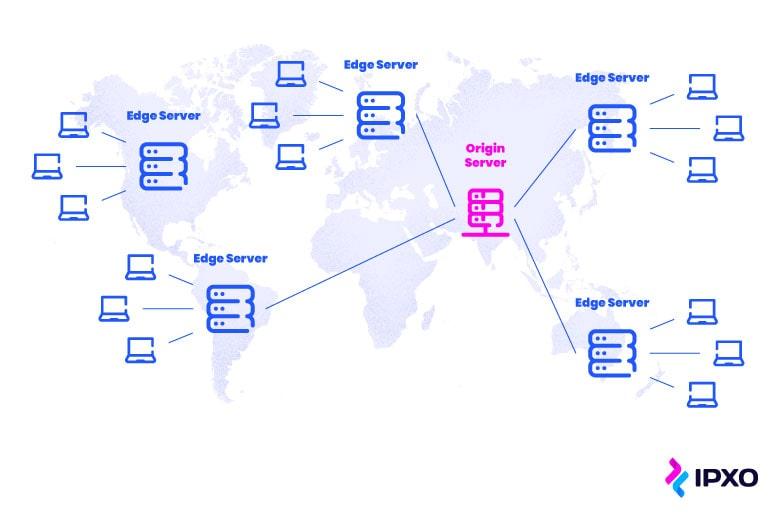
In today’s digital landscape, where speed and performance are paramount, the synergy between Content Delivery Networks (CDNs) and managed hosting solutions has emerged as a game changer for businesses of all sizes. As online consumers become increasingly impatient, demanding instant access to content, companies must adapt to meet these expectations. This is where the integration of CDNs with managed hosting solutions comes into play—revolutionizing the way websites deliver content, enhance user experience, and scale seamlessly.
In this article, we’ll explore how the strategic implementation of CDNs within managed hosting environments benefits organizations by improving loading times, reducing latency, and boosting overall website performance. We will also delve into the technical aspects, examine case studies, and highlight best practices for businesses looking to leverage the full potential of both technologies. Join us as we unpack the transformative impact of CDNs on managed hosting and what it means for the future of web performance.
Table of Contents
- The Role of Content Delivery Networks in Enhancing Website Performance
- Optimizing Managed Hosting Solutions Through Strategic CDN Integration
- Improving Security Protocols: How CDNs Fortify Managed Hosting Environments
- Cost-Effectiveness of CDNs: Balancing Performance and Budget in Managed Hosting
- Concluding Remarks
The Role of Content Delivery Networks in Enhancing Website Performance
Content Delivery Networks (CDNs) serve as a critical backbone for modern websites by optimizing the delivery of content to users across the globe. By strategically placing servers in various geographic locations, CDNs significantly reduce latency, ensuring that website assets load faster and deliver a smoother user experience. The benefits of using a CDN include:
- Reduced Load Times: This is achieved through caching content closer to the user’s location.
- Improved Website Reliability: By distributing the load, CDNs can handle surges in traffic without crashing the site.
- Enhanced Security: CDNs can protect against distributed denial-of-service (DDoS) attacks and help improve compliance with security standards.
Integrating a CDN into managed hosting solutions not only enhances performance but also provides businesses with scalable resources to handle varying traffic demands. This is especially beneficial for e-commerce sites and platforms that experience fluctuating visitor rates. Below is a comparison of website performance metrics before and after implementing a CDN:
| Metric | Before CDN | After CDN |
|---|---|---|
| Average Load Time | 3.5 seconds | 1.2 seconds |
| Uptime Percentage | 95% | 99.9% |
| Bandwidth Usage | 200 GB/month | Reduced by up to 60% |
Optimizing Managed Hosting Solutions Through Strategic CDN Integration
Integrating a Content Delivery Network (CDN) into managed hosting solutions can significantly enhance website performance and reliability. By distributing content across multiple edge servers strategically placed around the globe, CDNs minimize latency, effectively reducing load times and ensuring that users experience seamless access to data. Here are some key benefits of this integration:
- Improved Speed: CDNs cache content closer to users, decreasing the distance data travels.
- Scalability: As traffic surges, a CDN can handle increased loads without compromising performance.
- Enhanced Security: Many CDNs come with built-in security features to protect against DDoS attacks.
Moreover, optimizing managed hosting with CDN integration can lead to better resource allocation, allowing businesses to focus on core functionalities rather than infrastructure challenges. This not only streamlines operations but also translates into cost savings over time. Consider the following aspects when implementing CDN with your managed hosting:
| Aspect | Benefit |
|---|---|
| Content Distribution | Faster access for global users |
| Load Balancing | Efficient traffic management during peak times |
| Analytics | Insights into user behavior and content performance |
Improving Security Protocols: How CDNs Fortify Managed Hosting Environments
Content Delivery Networks (CDNs) play a pivotal role in enhancing the security protocols of managed hosting environments through various mechanisms. By distributing website content across multiple servers globally, CDNs not only reduce latency but also offer a robust layer of security. DDoS protection is one of the fundamental features that CDNs provide; they can absorb and deflect the massive amounts of traffic generated during an attack, preventing service outages. Furthermore, SSL certification is seamlessly integrated, ensuring that all data exchanged between the user and server remains encrypted and secure from potential interception. Additionally, the use of Web Application Firewalls (WAFs) within CDNs helps to filter out malicious traffic before it even reaches the hosted environment, greatly minimizing the risk of compromising sensitive information.
The defensive capabilities of CDNs extend to user authentication measures as well. By implementing token-based authentication and rate limiting, CDNs help in verifying legitimate users while deterring unauthorized access attempts. Importantly, this also aids in compliance with rigorous standards such as GDPR and HIPAA, where data protection is paramount. To visualize the enhanced security features offered by CDNs, consider the following table:
| Feature | Benefit |
|---|---|
| DDoS Protection | Prevents service disruptions during attacks |
| SSL Encryption | Secures data transfers |
| Web Application Firewall | Filters out malicious traffic |
| Token-based Authentication | Verifies legitimate users |
| Rate Limiting | Deters forced login attempts |
Cost-Effectiveness of CDNs: Balancing Performance and Budget in Managed Hosting
When considering the implementation of Content Delivery Networks (CDNs) within managed hosting solutions, the cost-effectiveness factor emerges as a pivotal element for businesses. CDNs distribute content globally, which can significantly enhance website load times and user experience. However, integrating a CDN incurs additional expenses, and it’s crucial to evaluate these against the performance benefits gained. Businesses must assess several factors, including:
- Traffic Volume: Higher visitor counts may justify CDN expenses through improved performance.
- Geographical Reach: If your audience is global, the ROI on a CDN may be more substantial.
- Content Type: Static content typically benefits more from CDNs compared to dynamic content.
Furthermore, organizations should analyze the direct impact of a CDN on their hosting budget. While the initial perception might suggest increased costs, a comprehensive understanding of reduced latency and downtime can present a compelling case for investment. To illustrate, consider the following comparison of costs versus potential savings through enhanced performance:
| Scenario | Monthly Cost | Potential Savings from CDN |
|---|---|---|
| Without CDN | $100 | N/A |
| With CDN | $150 | $80 |
In this table, while the CDN incurs an additional $50 in monthly hosting costs, the potential for $80 in savings through enhanced site performance reflects a positive return on investment. Careful analysis allows organizations to find a reasonable middle ground, ensuring they balance budget constraints with the imperative for superior customer experiences.
Concluding Remarks
the integration of Content Delivery Networks (CDNs) into managed hosting solutions represents a transformative shift in how businesses approach their online presence. As we have explored, CDNs enhance performance, boost security, and improve user experience, all while relieving the strain on server resources. This synergy between CDNs and managed hosting not only leads to faster load times and more reliable service but also empowers businesses to scale efficiently and effectively respond to fluctuating traffic demands.
As digital landscapes continue to evolve, embracing the capabilities of CDNs will be crucial for companies aiming to stay competitive. Whether you’re a small startup or an enterprise-level organization, leveraging CDN technology within your managed hosting strategy can unlock new levels of performance and operational excellence.
Ultimately, the impact of CDNs on managed hosting solutions is undeniable and underscores the importance of staying informed about technological advancements that can elevate your online strategy. As you contemplate your hosting options, consider how the power of CDNs can complement your goals and enhance your digital footprint in an increasingly fast-paced online world. Thank you for reading, and we hope this insight helps guide your decision-making on your hosting journey.