
The Environmental Impact of Dedicated Server Hosting Explained
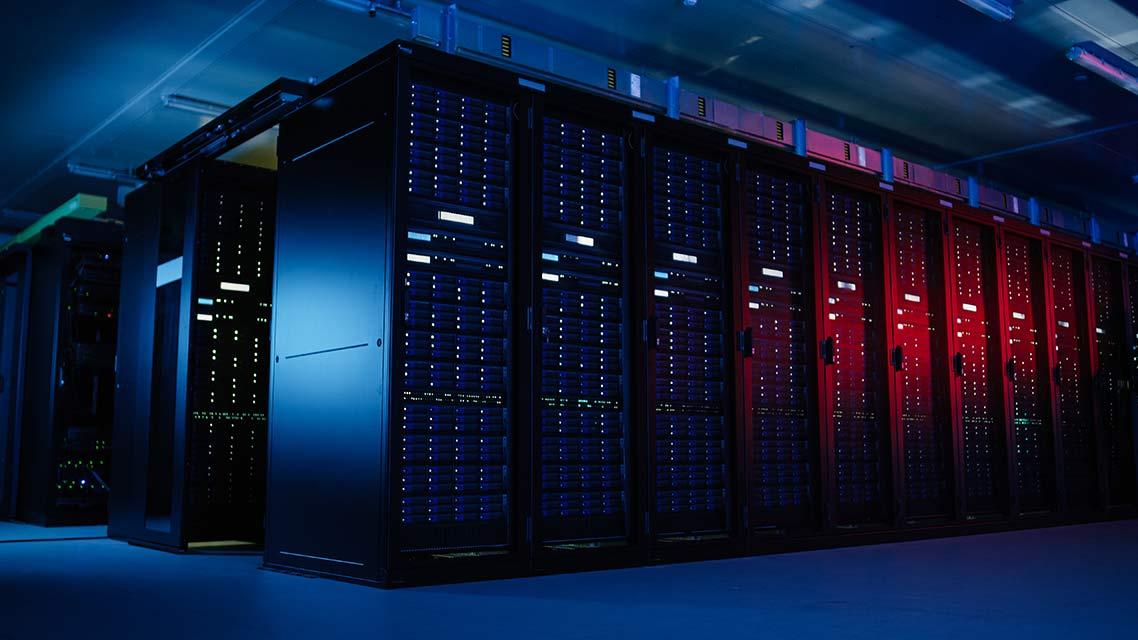
In today’s digital landscape, dedicated server hosting has emerged as a cornerstone for businesses striving for enhanced performance, security, and reliability. However, amidst the benefits of improved website speed and uptime, it’s crucial to consider the environmental implications of this technology. As the demand for increasingly powerful servers grows, so does the energy consumption associated with them, leading to a significant carbon footprint. In this article, we delve into the environmental impact of dedicated server hosting, examining how data centers operate, the resources they consume, and the strides being made toward sustainability. By understanding these factors, businesses can make informed choices that not only enhance their operations but also contribute to a healthier planet. Join us as we explore the balance between technological advancement and environmental responsibility in the realm of server hosting.
Table of Contents
- Understanding the Carbon Footprint of Dedicated Server Hosting
- Energy Efficiency Practices for Sustainable Server Management
- Minimizing E-Waste: Strategies for Responsible Hardware Disposal
- Choosing Eco-Friendly Data Centers: What to Look For
- In Retrospect
Understanding the Carbon Footprint of Dedicated Server Hosting
The environmental implications of dedicated server hosting are more profound than many users realise. Unlike shared hosting, where resources are distributed among multiple users, dedicated servers operate on a single system dedicated to one client. This means that the energy consumption is significantly higher due to the substantial hardware requirements and cooling systems needed to maintain optimal operating conditions. Key factors contributing to the carbon footprint include:
- Energy Consumption: Dedicated servers typically run 24/7, leading to substantial energy use over time.
- Cooling Solutions: Significant energy is required for air conditioning systems to prevent overheating.
- Data Center Infrastructure: The physical space requirements for servers contribute to environmental strain through construction and maintenance.
Moreover, the source of energy that powers these data centers plays a critical role in determining the overall carbon footprint. If the energy comes from fossil fuels, the impact increases dramatically. On the other hand, many forward-thinking companies are beginning to invest in renewable energy solutions for their data centers, which can substantially reduce emissions. A quick comparison can be illustrated in the table below, showing the difference in carbon emissions based on energy sources:
| Energy Source | Carbon Emissions (g CO2/kWh) |
|---|---|
| Coal | 820 |
| Natural Gas | 450 |
| Renewable Energy | 5 |
Transitioning to greener energy sources is essential not only for reducing carbon footprints but also for taking responsible steps towards a sustainable future in technology. As the demand for dedicated servers increases, so does the responsibility to minimize their environmental impact.
Energy Efficiency Practices for Sustainable Server Management
Effective management of dedicated servers plays a crucial role in minimizing environmental impact. Implementing energy-efficient practices not only reduces operational costs but also contributes to a more sustainable IT infrastructure. Here are some essential strategies to enhance energy efficiency:
- Virtualization: Maximize server utilization by consolidating workloads onto fewer machines, which leads to reduced energy consumption and lower hardware costs.
- Energy-Efficient Hardware: Invest in servers and components that are certified for energy efficiency, such as those meeting the Energy Star standards.
- Optimized Cooling: Utilize advanced cooling technologies, such as hot aisle/cold aisle containment and free-air cooling, to minimize energy use.
- Regular Maintenance: Keep servers clean and components in good condition to optimize their performance and energy efficiency.
In addition to the strategies listed, organizations can also monitor their energy consumption closely. Utilizing server management tools that provide analytics can help identify areas for improvement. A straightforward approach involves tracking energy usage metrics to formulate a benchmark for efficiency:
| Metric | Current Value | Target Value |
|---|---|---|
| Power Usage Effectiveness (PUE) | 2.0 | 1.5 |
| Carbon Footprint (KgCO2e) | 500 | 300 |
| Annual Energy Cost ($) | $10,000 | $6,000 |
By setting clear benchmarks and monitoring progress, businesses can effectively drive their energy efficiency initiatives forward, contributing not only to their bottom line but also to a healthier planet.
Minimizing E-Waste: Strategies for Responsible Hardware Disposal
As the demand for dedicated server hosting continues to rise, so does the challenge of e-waste management. To tackle this pressing issue, organizations must adopt a combination of effective strategies for hardware disposal that not only comply with regulations but also promote sustainability. Recycling is one of the most efficient methods to repurpose old servers, where valuable materials like metals and plastics can be recovered, significantly reducing landfill waste. Additionally, partnering with certified e-waste recycling companies ensures that all equipment is handled responsibly, minimizing the risk of environmental contamination.
Moreover, organizations should consider implementing a hardware refurbishment program to extend the life cycle of their servers. This can involve upgrading components or repurposing them for less demanding applications. An effective approach includes regularly auditing the hardware stock to identify usable assets. Another strategy is to donate obsolete equipment to educational institutions or non-profits, providing them with valuable resources while simultaneously supporting community initiatives. By embracing these responsible disposal strategies, businesses not only reduce their carbon footprint but also contribute positively to the circular economy.
Choosing Eco-Friendly Data Centers: What to Look For
When selecting a data center that prioritizes environmental sustainability, several key attributes should guide your decision-making process. Energy efficiency is paramount; look for facilities that employ energy-efficient hardware and technologies, such as advanced cooling systems and power management protocols, which can significantly reduce energy consumption. Additionally, consider whether the data center is committed to using renewable energy sources to power its operations. Facilities powered by wind or solar energy substantially minimize their carbon footprint and can contribute to a greener planet.
Another important factor is the location and design of the data center, as these elements can influence both energy efficiency and environmental impact. Data centers built in cooler climates may require less energy for cooling, while those designed using sustainable architecture can incorporate natural lighting and ventilation. Furthermore, inquire about the data center’s waste management practices. A commitment to e-waste recycling and responsible disposal of old hardware ensures that toxic materials are not harmful to the environment. To summarize, consider these critical features when evaluating eco-friendly data centers:
| Feature | Importance |
|---|---|
| Energy Efficiency | Reduces operational costs and environmental impact |
| Renewable Energy Sources | Minimizes carbon footprint |
| Location | Affects cooling requirements and energy usage |
| Waste Management | Ensures responsible disposal of electronic waste |
In Retrospect
understanding the environmental impact of dedicated server hosting is crucial for making informed decisions in our increasingly digital world. As we’ve explored, while dedicated servers offer robust performance and security, they also come with significant energy consumption and associated carbon footprints. It’s essential for businesses and individuals alike to consider not only the benefits of dedicated hosting but also its broader implications on our environment.
By opting for energy-efficient technologies, utilizing renewable energy sources, and advocating for greener practices among hosting providers, we can mitigate these impacts. As conscious consumers, we can drive demand for sustainable solutions that balance our technological needs with our responsibility to the planet.
As we move forward in this digital age, let’s prioritize eco-friendly hosting options that align with our commitment to sustainability. Together, we can harness the power of technology while protecting and preserving the environment for future generations. Thank you for exploring this vital topic with us, and we encourage you to share your thoughts and experiences regarding environmentally sustainable hosting practices in the comments below.