
The Crucial Role of SSDs in Dedicated Server Hosting
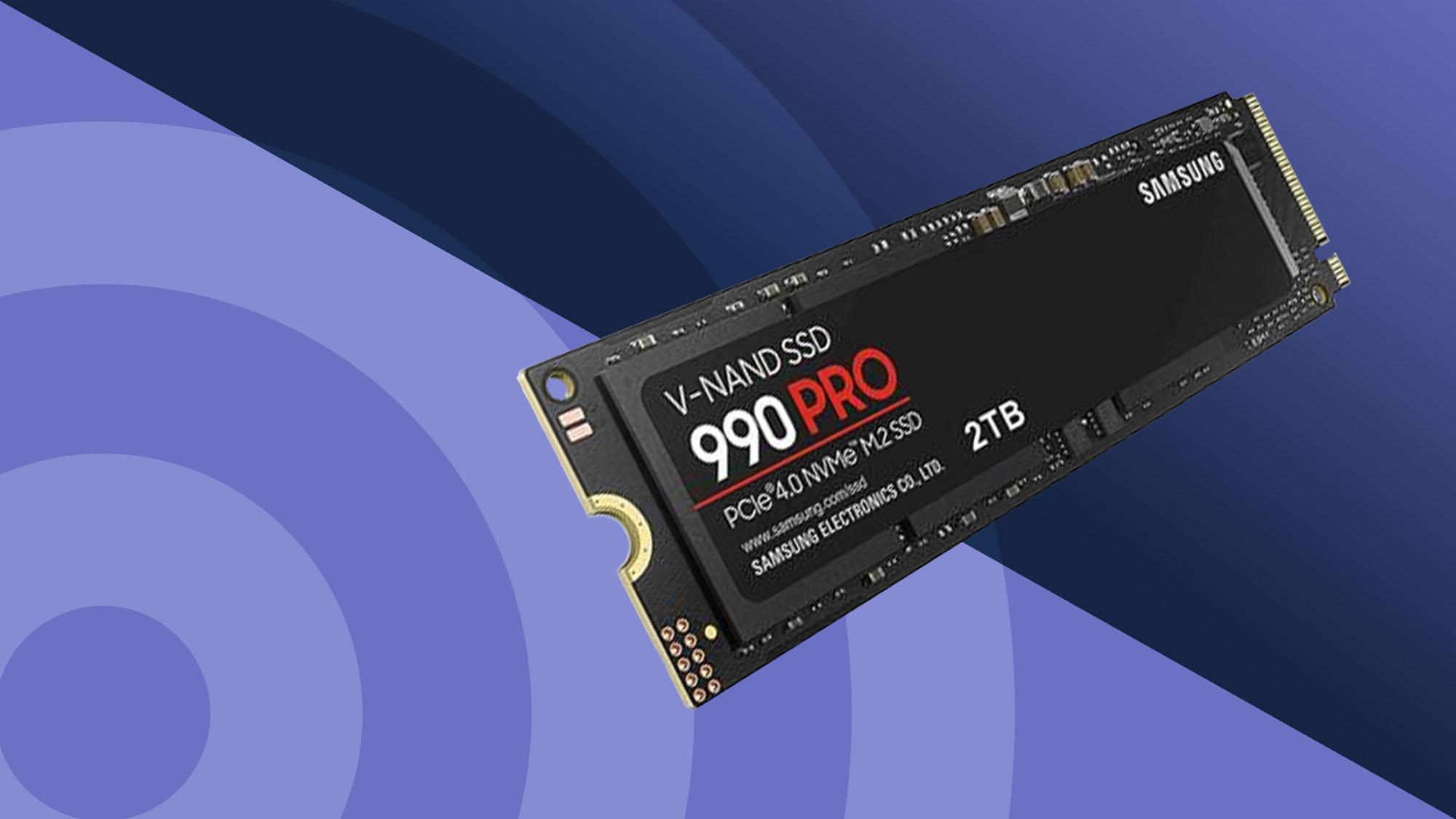
In today’s digital landscape, where speed and efficiency are paramount, the choice of storage solution can make all the difference in how a dedicated server performs. Solid State Drives (SSDs) have emerged as a game-changer in the realm of server hosting, offering unparalleled speed, reliability, and overall performance compared to traditional Hard Disk Drives (HDDs). As businesses continue to migrate to data-intensive applications and services, understanding the crucial role that SSDs play in dedicated server hosting is essential. In this article, we will explore the advantages of SSDs, their impact on server performance, and why they are becoming a fundamental element in the architecture of modern hosting solutions. Whether you’re a tech enthusiast, a business owner, or an IT professional, gaining insights into SSD technology can empower you to make informed decisions that enhance your operations and drive your success in an increasingly competitive environment.
Table of Contents
- The Performance Advantages of SSDs in Dedicated Server Environments
- Understanding the Reliability and Durability of SSD Technology
- Cost Considerations: Evaluating the Long-Term Value of SSDs
- Optimizing Your Dedicated Server Hosting with SSD Solutions
- To Wrap It Up
The Performance Advantages of SSDs in Dedicated Server Environments
The integration of SSDs in dedicated server environments presents a significant leap in performance capabilities compared to traditional HDDs. With faster read and write speeds, SSDs can drastically reduce data access times, leading to quicker application load times and improved overall system responsiveness. This is particularly vital for businesses that rely on heavy workloads such as database management, high-traffic websites, and real-time data processing. The agility of SSDs allows for seamless multitasking and optimal resource management, which enhances user experience and operational efficiency.
Another noteworthy advantage of SSDs is their superior durability and reliability. Unlike HDDs, which have moving parts that are more prone to mechanical failure, SSDs utilize flash memory technology that significantly reduces the risks associated with physical wear and tear. Additionally, they consume less power, which not only contributes to a lower operational cost but also enhances thermal management in server environments. These benefits lead to reduced downtime and maintenance costs, making SSDs a smart long-term investment for businesses aiming to scale their infrastructure without compromising performance.
Understanding the Reliability and Durability of SSD Technology
The advancement of SSD technology has transformed the landscape of data storage, especially in dedicated server hosting. Unlike traditional hard drives, SSDs utilize flash memory, resulting in significantly faster read and write speeds, ensuring that data transfers are not only swift but also consistently reliable. This reliability stems from the lack of moving parts within SSDs, which reduces mechanical wear and tear and enhances durability, making them less susceptible to physical damage, overheating, and power surges. Key factors contributing to the reliability of SSDs include:
- Wear Leveling: Distributing data evenly across the memory cells extends lifespan.
- Error Correction: Built-in algorithms detect and fix errors on the fly.
- Temperature Management: Cooling technologies help maintain optimal operating temperatures.
Moreover, the performance metrics of SSDs align closely with the demands of modern dedicated server hosting, where uptime and service reliability are paramount. A study of various SSD brands showcases their differing endurance levels, measured in terabytes written (TBW) and drive writes per day (DWPD). Below is a comparison table illustrating the durability ratings of selected SSD models:
| SSD Model | TBW | DWPD |
|---|---|---|
| Samsung 970 EVO | 300 TBW | 0.5 |
| Crucial P3 | 200 TBW | 0.4 |
| WD Black SN750 | 600 TBW | 1.0 |
The ongoing improvements in SSD technology not only promise enhanced longevity but also underscore their crucial role in maintaining the integrity of data hosted on dedicated servers. As businesses continue to shift toward more digital solutions, investing in SSDs becomes essential for ensuring that hosting environments can handle increasing workloads with high performance and reliability.
Cost Considerations: Evaluating the Long-Term Value of SSDs
When evaluating the long-term value of Solid State Drives (SSDs) in dedicated server hosting, it’s essential to consider both the immediate costs and the potential savings associated with their performance advantages. Though SSDs may have a higher upfront cost compared to traditional Hard Disk Drives (HDDs), the benefits they provide can significantly outweigh this initial investment. Key considerations include:
- Increased Speed: SSDs dramatically reduce loading times, which can lead to better user experiences and improved search engine rankings.
- Energy Efficiency: SSDs consume less power than HDDs, resulting in lower operational costs over time.
- Enhanced Durability: With no moving parts, SSDs are less prone to failure, thus reducing replacement costs and downtime.
Furthermore, a comprehensive analysis of the total cost of ownership (TCO) reveals that choosing SSDs can lead to significant long-term savings. The following table illustrates a simple comparison of TCO factors between SSDs and HDDs:
| Cost Factor | SSD | HDD |
|---|---|---|
| Initial Purchase Cost | Higher | Lower |
| Power Consumption (Annual) | Low | High |
| Failure Rate | Low | High |
| Maintenance Costs | Low | Higher |
As evident from the analysis, while the upfront costs may be intimidating, the long-term benefits of incorporating SSDs into dedicated server hosting environments present a compelling case. Not only do they promise improved performance, but they also contribute to lower overall costs in terms of energy, maintenance, and potential downtime, enhancing the overall sustainability of your hosting solution.
Optimizing Your Dedicated Server Hosting with SSD Solutions
Implementing SSD solutions in your dedicated server hosting can significantly enhance the overall performance of your applications and services. Unlike traditional hard drives, SSDs utilize flash memory, which allows for much faster data access and improved read/write speeds. This not only enhances the speed of your server but also reduces load times for websites, applications, and databases. With the capacity to handle multiple user requests concurrently, SSDs effectively improve the user experience and reduce downtime.
When considering SSD solutions for your dedicated server, keep in mind the following benefits:
- Boosted Performance: SSDs provide superior speed, leading to quicker transaction times and enhanced data processing.
- Increased Reliability: With no moving parts, SSDs are less prone to mechanical failure, ensuring higher uptime and reliability.
- Energy Efficiency: SSDs consume less power compared to traditional HDDs, which can help lower electricity costs.
| Feature | SSD | HDD |
|---|---|---|
| Speed | Up to 5000 MB/s | Up to 160 MB/s |
| Durability | High (No moving parts) | Medium (Moving parts) |
| Power Consumption | Low | Higher |
To Wrap It Up
the integration of SSDs into dedicated server hosting has revolutionized the way businesses approach data management and application performance. The unparalleled speed, reliability, and efficiency of SSDs not only enhance user experience but also empower organizations to seize new opportunities and stay ahead in a competitive landscape. As data demands continue to grow, choosing a hosting solution that leverages the power of SSD technology will undoubtedly yield significant long-term benefits.
For businesses looking to optimize their operations, it’s essential to recognize the crucial role SSDs play in ensuring seamless performance and robust security for your data. By investing in dedicated servers equipped with SSDs, you’re not just upgrading your infrastructure; you’re future-proofing your organization for the challenges and innovations of tomorrow.
As you navigate the evolving digital landscape, remember that the right technology can make all the difference. Make informed decisions, embrace the advantages of SSDs, and watch your dedicated server hosting experience transform for the better. Thank you for reading, and we hope this article has illuminated the importance of SSDs in enhancing your server capabilities.