
Strengthening Team Security: The Role of VPNs in Business
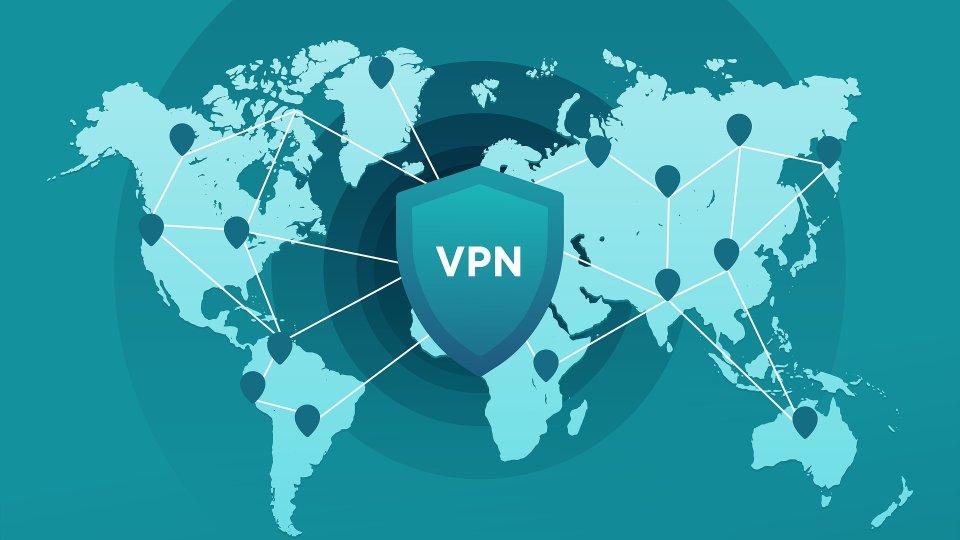
In today’s interconnected digital landscape, safeguarding sensitive business data has never been more crucial. As companies increasingly rely on remote workforces and global partnerships, the risks associated with cyber threats have grown exponentially. One key defense mechanism that has emerged as a vital component of enterprise security strategies is the Virtual Private Network, or VPN. In this article, we will explore the critical role VPNs play in enhancing team security, protecting valuable information, and ensuring safe communication channels within the modern business environment. Whether you’re a small startup or an established corporation, understanding how to effectively implement and leverage VPN technology can significantly mitigate risks and bolster your overall security posture. Join us as we delve into the benefits, best practices, and potential pitfalls of integrating VPNs into your organization’s security framework.
Table of Contents
- Understanding VPN Technology and Its Importance for Team Security
- Key Benefits of Implementing VPNs in a Remote Work Environment
- Best Practices for Choosing and Managing VPN Solutions for Your Business
- Future Trends in VPN Technology and Their Implications for Team Security
- Wrapping Up
Understanding VPN Technology and Its Importance for Team Security
VPN technology, or Virtual Private Network, establishes a secure and encrypted connection over a less secure network, like the internet. This is crucial for teams that work remotely or across multiple offices, as it ensures that sensitive data is transmitted safely and prevents unauthorized access. By routing internet traffic through a remote server, VPNs not only protect the organization’s data from potential cyber threats but also help in masking the IP addresses of users. This added layer of anonymity is especially important when employees access company resources from public Wi-Fi networks, where the risk of data interception is significantly heightened.
Employing VPN technology effectively mitigates a variety of security risks. Key benefits include:
- Data Encryption: Ensures that all communications remain confidential.
- Secure Remote Access: Allows legitimate personnel to access the company’s network from any location.
- Geo-restriction Bypass: Enables teams to access company resources as if they were physically present in the office.
- Centrally Managed Security: Facilitates the implementation of consistent security policies across all locations.
To illustrate the significance of VPNs in safeguarding team operations, the following table summarizes the comparative risks faced without a VPN:
| Risks | Without VPN | With VPN |
|---|---|---|
| Data Interception | High | Low |
| Unauthorized Access | Possible | Minimal |
| IP Address Exposure | Visible | Masked |
| Public Wi-Fi Vulnerability | Risky | Secured |
Key Benefits of Implementing VPNs in a Remote Work Environment
Implementing Virtual Private Networks (VPNs) in a remote work setting provides significant advantages for businesses striving to secure their digital environment. First and foremost, data encryption ensures that sensitive company information remains protected against unauthorized access. By encrypting internet traffic, VPNs prevent potential eavesdroppers from intercepting data, thus maintaining confidentiality and integrity. In addition, IP masking hides the user’s real IP address, making it harder for cybercriminals to launch targeted attacks, such as phishing schemes or data breaches. This dual layer of protection not only secures communication channels but also fosters a culture of trust and safety among remote teams.
Furthermore, utilizing VPNs helps organizations comply with regulatory standards that govern data protection. Many industries face strict compliance requirements, and a VPN allows businesses to adhere to these laws by ensuring that data is transmitted securely. Moreover, secure access to company resources, such as internal databases and applications, is facilitated through a VPN, enabling employees to work efficiently regardless of their physical location. By integrating a VPN into the daily operations, companies can enhance their overall security posture, reduce vulnerabilities, and empower teams to perform tasks with peace of mind, knowing that their data is shielded from prying eyes.
Best Practices for Choosing and Managing VPN Solutions for Your Business
When selecting a VPN solution for your business, it’s crucial to consider factors that align with your operational needs and security requirements. Start with a thorough assessment of your organization’s size and structure, as scalability is key. Look for solutions that can grow with your business while offering features such as multi-device compatibility and user-friendly interfaces. Security should be a top priority; opt for a VPN that provides robust encryption protocols, a strict no-logs policy, and strong authentication measures to safeguard sensitive information. Research the provider’s reputation and seek out customer reviews to ensure reliability and responsiveness in customer support.
Once you’ve implemented a VPN, effective management is essential to maximizing its benefits. Establish clear usage policies and provide training to your team to ensure they understand the importance of VPNs and how to use them properly. Additionally, regularly update your VPN software to guard against vulnerabilities, and consider conducting periodic audits to evaluate your network security posture. Monitoring usage can also help identify any unusual activity, enabling swift action if necessary. maintain open lines of communication with your VPN provider to stay informed about any updates or features that could enhance your business’s security framework.
Future Trends in VPN Technology and Their Implications for Team Security
The evolution of VPN technology is poised to significantly enhance team security in the next few years. As remote work becomes increasingly prevalent, organizations are turning to advanced VPN solutions that not only provide secure connections but also incorporate features like multi-factor authentication, AI-driven threat detection, and zero trust architecture. These innovations ensure that even when employees access sensitive data from different locations, their connections remain secure and monitored against potential breaches. With the rise in cyber threats, VPNs will also likely integrate more robust encryption protocols and support for decentralized networks, offering a layered security approach that adapts to the changing threat landscape.
Furthermore, the implications of these trends will influence the way businesses operate and secure their digital environments. Companies may start to prioritize VPNs with built-in endpoint protection, ensuring that devices accessing corporate networks are free from vulnerabilities before a connection is established. This proactive approach can significantly reduce the attack surface. Other anticipated advancements include the adoption of cloud-based VPNs, making it easier for teams to scale their operations while maintaining high-security standards. The following table outlines some expected features and their benefits:
| Feature | Implication for Security |
|---|---|
| Multi-Factor Authentication | Enhances identity verification, reducing unauthorized access. |
| AI Threat Detection | Identifies and mitigates risks in real time, preventing attacks. |
| Zero Trust Architecture | Assumes no inherent trust, improving perimeter security. |
| Decentralized Networks | Reduces reliance on central servers, improving resilience. |
Wrapping Up
In an increasingly digital world, ensuring the security of your business’s sensitive information is not just a best practice; it’s a critical necessity. As we’ve explored throughout this article, VPNs offer a robust solution to strengthen team security by safeguarding data, enhancing privacy, and enabling secure remote access. By implementing a reliable VPN service, organizations can mitigate risks associated with cyber threats while fostering a secure environment for collaboration and productivity.
As businesses continue to embrace remote work and diverse team structures, the importance of investing in advanced security measures like VPNs cannot be overstated. They provide the peace of mind needed to focus on growth and innovation without the constant worry of data breaches and unauthorized access.
As you consider enhancing your team’s security measures, remember that adopting a VPN is not just about protecting data; it’s about fostering a culture of security that empowers your team. By prioritizing these precautions, you are not only investing in technology but also in the trust and confidence of your employees and clients alike.
Stay secure, stay connected, and take the necessary steps to empower your team with the tools they need to succeed in today’s digital landscape. Thank you for joining us on this journey toward creating a safer and more resilient business environment.