
Step-by-Step Guide to Successfully Migrate to Managed Hosting
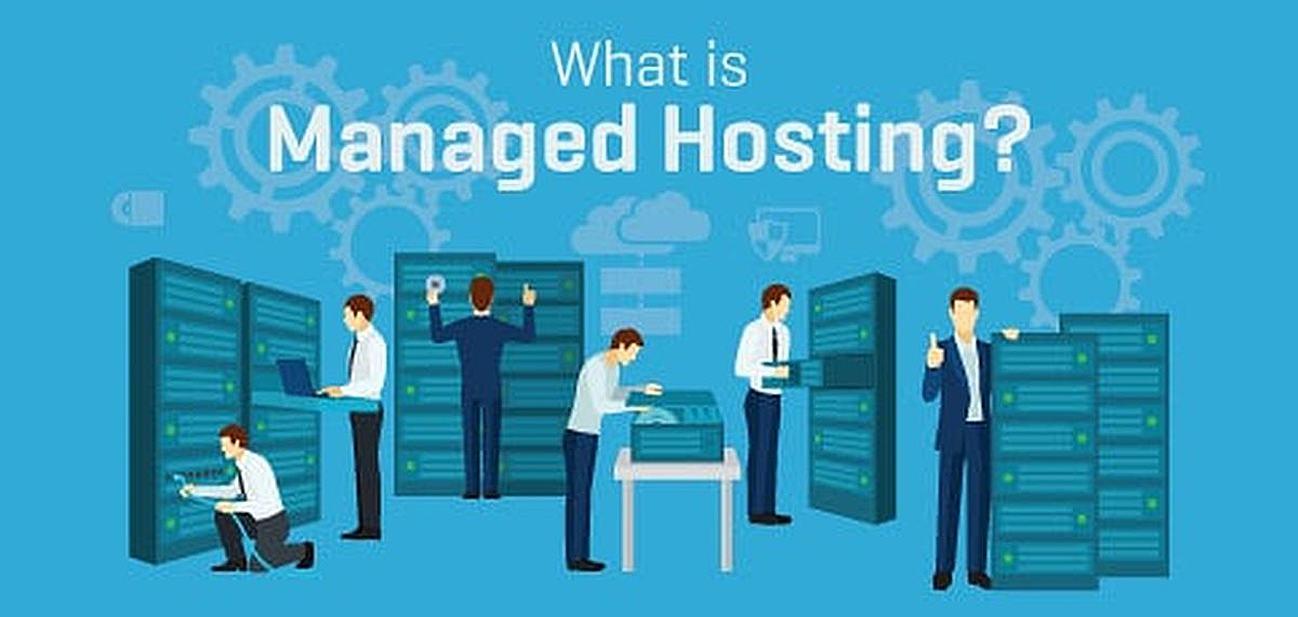
Introduction: Navigating the Transition to Managed Hosting
In today’s fast-paced digital landscape, businesses are increasingly seeking solutions that enhance efficiency, security, and scalability. One such solution is managed hosting, where a third-party service provider takes the reins of your server infrastructure, freeing you to focus on what you do best—growing your business. However, transitioning to managed hosting can seem daunting, filled with technical jargon and critical decisions that could impact your online presence. Fear not! In this step-by-step guide, we will demystify the migration process, equipping you with the knowledge and strategies necessary to make the transition seamless and successful. From assessing your current infrastructure to choosing the right managed hosting provider and ensuring a smooth migration, we’ll walk you through each phase, ensuring you’re well-prepared for this essential step in your digital journey. Let’s dive in!
Table of Contents
- Understanding the Benefits of Managed Hosting for Your Business
- Assessing Your Current Infrastructure and Needs
- Choosing the Right Managed Hosting Provider for Seamless Transition
- Implementing a Secure and Efficient Migration Strategy
- Future Outlook
Understanding the Benefits of Managed Hosting for Your Business
Managed hosting provides businesses with a range of benefits that can significantly enhance their online operations. By outsourcing the management of their web hosting environment, companies can focus more on their core activities instead of the complexities of server maintenance, security updates, and performance optimization. Key benefits include:
- Increased Uptime: Professional management ensures that potential issues are quickly addressed, leading to higher availability.
- Expert Support: Access to 24/7 technical support from experienced professionals who specialize in managed hosting.
- Scalability: Resources can be easily adjusted to meet fluctuating demands, ensuring smooth performance.
- Enhanced Security: Robust security measures are implemented, protecting sensitive business and customer data.
In addition to these advantages, businesses also benefit from customized solutions tailored to their specific needs. Managed hosting providers often offer a variety of plans to suit different industries, whether you are an e-commerce platform or a content-heavy website. This customization means you can choose the right combination of server resources, software, and additional features to perfectly match your operational demands. Consider the following factors when evaluating managed hosting options:
| Factor | Description |
|---|---|
| Performance | Look for hosts that guarantee high-speed servers and low latency. |
| Support | Ensure that customer support is available 24/7 and includes multiple contact methods. |
| Customization | Check if you can tailor your hosting plan to your specific needs. |
Assessing Your Current Infrastructure and Needs
Before embarking on the journey to managed hosting, it’s crucial to take a comprehensive look at your existing infrastructure and specific needs. Start by evaluating the current resources, including your server hardware, software, and network capabilities. It’s essential to identify factors such as:
- Traffic Volume: Understand your current and projected traffic to gauge server capacity.
- Performance Metrics: Analyze your website’s speed, uptime, and overall performance.
- Security Requirements: Assess your data security needs and compliance requirements.
- Technical Support: Determine if your existing team can manage the transition or if you need external help.
Next, align your current findings with your future needs. This includes anticipating growth and the possibility of scaling your infrastructure. Consider creating a comparison table that outlines:
| Consideration | Current State | Future Requirements |
|---|---|---|
| Server Capacity | 50 GB Storage | 200 GB Storage for anticipated growth |
| Data Security | Basic firewall | Advanced security measures including DDoS protection |
| Technical Support | Internal IT team availability | 24/7 managed support assistance |
By analyzing both your current infrastructure and future needs, you can make informed decisions about managed hosting solutions that will effectively support your business as it grows.
Choosing the Right Managed Hosting Provider for Seamless Transition
When it comes to making a smooth switch to managed hosting, selecting the right provider is a critical step. You want to ensure that the company you choose not only aligns with your current needs but also has the capacity to grow with you. Consider the following factors in your selection process:
- Performance and Reliability: Look for providers with proven uptime and fast load times.
- Scalability: Ensure they offer flexible resources to easily adjust as your demands change.
- Security Features: Prioritize options with robust security protocols and regular backups.
- Customer Support: A responsive support team can make all the difference during your transition.
Additionally, take the time to evaluate pricing structures and contract terms. Transparency in costs can prevent unexpected fees down the line, while a clear understanding of contract obligations will help you avoid potential pitfalls. To visualize your choices, consider comparing key attributes of shortlisted providers:
| Provider | Uptime Guarantee | Starting Price | Support Options |
|---|---|---|---|
| Host A | 99.9% | $29/month | 24/7 Chat and Email |
| Host B | 99.99% | $35/month | Phone and Chat Support |
| Host C | 99.8% | $25/month | Email Support |
Implementing a Secure and Efficient Migration Strategy
When undertaking a migration to managed hosting, establishing a secure and efficient strategy is crucial to minimize downtime and data loss. Begin by conducting a thorough assessment of your current infrastructure and identifying the critical components that need to be migrated. This assessment should encompass your application dependencies, database structures, and any specific compliance requirements. Create an inventory that details:
- Applications – List all applications and their versions.
- Data – Identify databases and their sizes.
- Custom Configurations – Document server configurations and custom scripts.
Once you’ve completed the assessment, develop a comprehensive migration plan that includes timelines and detailed tasks for each phase of the process. Consider setting up a staging environment that mirrors your production setup to allow for testing before the final migration. When you’re ready to proceed, implement the migration in phases to limit potential risks, ensuring that you have a robust rollback strategy in place. Use the following table to outline the critical migration phases and their objectives:
| Migration Phase | Objectives |
|---|---|
| Preparation | Data backup and inventory check |
| Staging | Test environment setup and migration validation |
| Execution | Final migration and DNS switchover |
| Post-Migration | Performance monitoring and troubleshooting |
Future Outlook
migrating to managed hosting can seem like a daunting task, but with the right strategy and detailed steps, it becomes a manageable and even rewarding process. By understanding your current hosting needs, performing diligent research on potential providers, and following the outlined steps for a smooth transition, you can elevate your website’s performance, security, and overall reliability.
Remember, the initial investment of time and resources into a managed hosting solution can lead to substantial long-term benefits—ranging from enhanced website speed to improved scalability and expert support. As you embark on this journey, ensure you maintain clear communication with your new hosting provider and your team to address any concerns promptly.
We hope this step-by-step guide equips you with the knowledge and confidence to make a seamless transition to managed hosting. Embrace the change, and unlock the full potential of your online presence. If you have any questions or experiences to share about your migration process, we’d love to hear from you in the comments below! Happy hosting!