
Shared vs. Dedicated Hosting: Understanding the Key Differences
In the digital landscape, choosing the right hosting solution is crucial for the success of any online venture. For small businesses, bloggers, and large enterprises alike, the decision often boils down to two primary options: shared hosting and dedicated hosting. While both have their own advantages, understanding the key differences between them can significantly impact your website’s performance, security, and scalability. In this article, we will delve into the essential features of shared and dedicated hosting, helping you to determine which solution best aligns with your unique needs and goals. Whether you’re just starting out or looking to upgrade your existing setup, our comprehensive guide will provide you with the insights necessary to make an informed choice in today’s competitive online environment.
Table of Contents
- Understanding Shared Hosting and Its Benefits
- Exploring Dedicated Hosting: Performance and Customization
- Comparative Analysis of Cost and Scalability
- Choosing the Right Hosting Solution for Your Business Needs
- The Way Forward
Understanding Shared Hosting and Its Benefits
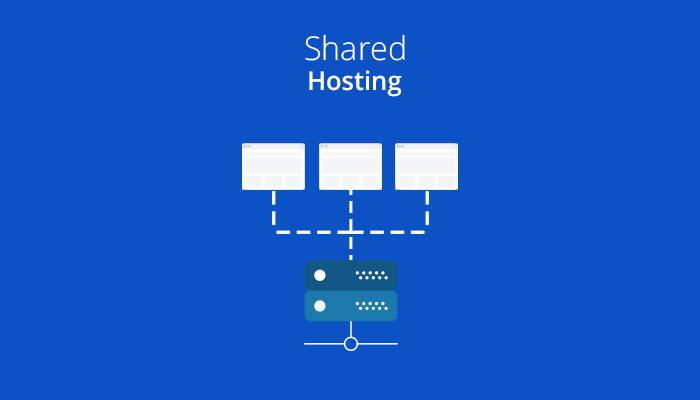
Shared hosting is a popular web hosting option where multiple websites are hosted on a single server, sharing the server’s resources such as CPU, RAM, and bandwidth. This setup allows users to significantly reduce hosting costs while still benefitting from essential features. Affordability is one of its most appealing attributes, attracting small businesses, startups, and individual bloggers looking to establish their online presence without breaking the bank. Additionally, shared hosting typically comes with user-friendly control panels and customer support, making it easier for individuals without extensive technical knowledge to manage their sites.
Another advantage of shared hosting is the automatic updates and maintenance handled by the hosting provider. Users do not have to worry about server management, which ensures that their websites remain secure and functional without requiring constant oversight. Performance, scalability, and community support are also crucial benefits to consider. Since multiple users share the resources, those with smaller traffic needs can enjoy efficient performance without waiting for a dedicated server. Furthermore, many hosting providers incorporate seamless scalability options, allowing users to upgrade as their websites grow. Below is a concise overview comparing key features:
| Feature | Shared Hosting | Dedicated Hosting |
|---|---|---|
| Cost | Low | High |
| Resources | Shared | Dedicated |
| Maintenance | Provider-managed | User-managed |
| Scalability | Moderate | High |
| Ideal for | Small sites | High-traffic sites |
Exploring Dedicated Hosting: Performance and Customization
Dedicated hosting offers unmatched performance that can significantly enhance the user experience. This type of hosting allocates an entire server to a single account, providing resources that are solely dedicated to that user’s applications and websites. As a result, the performance benefits are substantial, including:
- Enhanced Speed: With dedicated resources, websites can handle higher traffic volumes without slowing down.
- Better Uptime: Dedicated servers are less likely to experience downtime, providing better reliability for businesses.
- Increased Security: Exclusive servers reduce the risk of security vulnerabilities that often arise in shared environments.
Customization is another key advantage of dedicated hosting. Users have the flexibility to configure their server to meet specific needs, which is particularly valuable for businesses with unique application requirements. Some aspects of customization include:
- Operating System Choices: Users can choose between various operating systems to optimize their applications.
- Software Installation: Full control allows for the installation of specialized software that may not be supported on shared hosting.
- Performance Tuning: Administrators can fine-tune server settings to maximize efficiency and speed.
Comparative Analysis of Cost and Scalability
When evaluating web hosting options, cost is often the primary deciding factor for many individuals and businesses. Shared hosting typically offers a much lower entry point, making it an attractive choice for startups and personal websites. The shared nature of this hosting means that multiple websites reside on the same server, which allows hosting providers to divide costs among users. This model keeps expenses minimal but can lead to limited resources, such as bandwidth and storage, which may affect performance during peak traffic times. Contrast this with dedicated hosting, which, while considerably more expensive, provides an exclusive server environment. This guarantees optimal performance, significantly minimizing risks of downtime, and accommodating higher levels of traffic without degradation in service quality.
Scalability also presents a compelling difference between the two hosting solutions. With shared hosting, scaling can be cumbersome, as the resources allocated are fixed; if your website outgrows its allotted capacity, migration to another plan or provider becomes necessary, which can be time-consuming and risky. In comparison, dedicated hosting allows for seamless scaling options tailored to your specific needs. Many dedicated hosting providers offer flexible plans that can adjust resources on-demand. Here’s a quick comparison of cost and scalability:
| Hosting Type | Average Cost (per month) | Scalability |
|---|---|---|
| Shared Hosting | Less than $10 | Limited |
| Dedicated Hosting | $100+ | Flexible & Scalable |
Choosing the Right Hosting Solution for Your Business Needs
When evaluating hosting options, it’s essential to understand the fundamental differences between shared and dedicated hosting. Shared hosting is a cost-effective solution where multiple websites share a single server’s resources. This makes it ideal for small businesses or startups with limited traffic and budget. However, the downside includes potential slow website performance during traffic spikes and less control over server configurations. On the other hand, dedicated hosting provides an entire server exclusively for your website, giving you maximum control, enhanced performance, and improved security. This option is best suited for larger enterprises with high traffic volumes or those needing custom server configurations.
Choosing the right solution depends on several factors, including your budget, website traffic, and specific business needs. Consider the following aspects when making your decision:
- Budget: Assessment of your finances to invest in hosting.
- Traffic: Anticipated number of visitors to your site.
- Security Needs: Required level of data protection.
- Scalability: Future growth and resource expansion.
- Technical Support: Availability of assistance required for server management.
Here’s a simple comparison table to illustrate key differences:
| Features | Shared Hosting | Dedicated Hosting |
|---|---|---|
| Cost | Low | High |
| Performance | Variable | Consistent |
| Control | Limited | Complete |
| Security | Basic | Advanced |
The Way Forward
choosing between shared and dedicated hosting is a crucial decision that can significantly impact your website’s performance, security, and scalability. Shared hosting offers affordability and ease of use, making it a great option for small businesses and personal projects. However, as your online presence grows, the limitations of shared resources may become apparent. Dedicated hosting, while more expensive, provides the control, performance, and reliability needed for larger websites or those that require enhanced security.
Ultimately, your choice should align with your specific needs, budget, and long-term goals. Assessing your website’s requirements—such as expected traffic, resource demands, and future growth—will guide you in making an informed decision. Whether you prioritize cost-effectiveness or robust performance, understanding the key differences between shared and dedicated hosting is essential for setting the foundation for your online success.
Thank you for exploring these hosting options with us. We hope this article empowers you to make the best choice for your web hosting journey!