
Shared Hosting vs. VPS Hosting: Understanding Key Differences
In the ever-evolving landscape of web hosting, choosing the right solution for your website can feel like navigating a maze of options and jargon. For businesses and individuals alike, the decision often boils down to two popular forms of hosting: Shared Hosting and Virtual Private Server (VPS) Hosting. Each option comes with its own set of advantages and drawbacks, catering to different needs based on scalability, performance, and budget. In this article, we will delve into the key differences between Shared Hosting and VPS Hosting, empowering you to make an informed choice that aligns not only with your current requirements but also with your future growth ambitions. Whether you’re launching a personal blog, an e-commerce store, or a corporate website, understanding these hosting models is crucial to setting a strong foundation for your online presence. Let’s explore the features, benefits, and challenges associated with each option to help you find the perfect fit for your digital journey.
Table of Contents
- Understanding the Basics of Shared Hosting and VPS Hosting
- Performance and Scalability: How Each Option Stacks Up
- Cost Efficiency: Finding Value in Your Hosting Choice
- Security Considerations: Which Hosting Solution Offers More Protection
- To Wrap It Up
Understanding the Basics of Shared Hosting and VPS Hosting
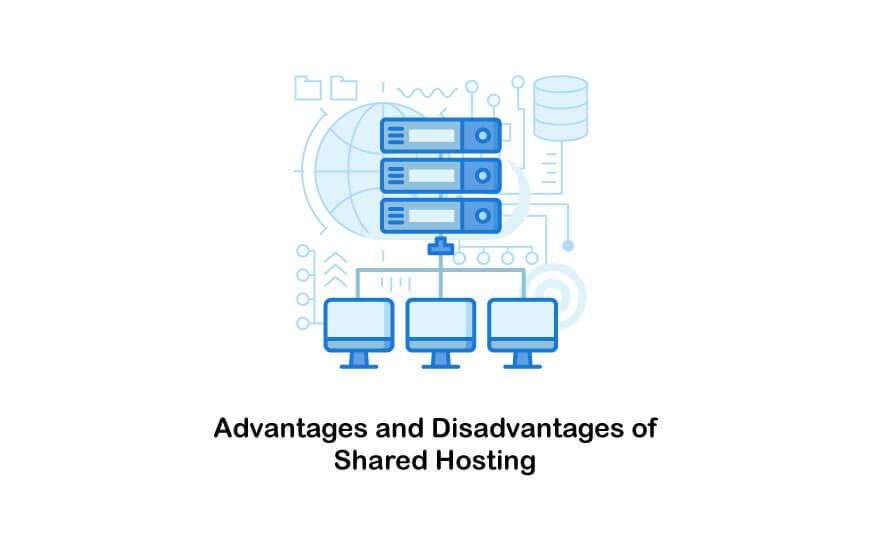
When you choose hosting for your website, two popular options emerge: shared hosting and VPS hosting. Shared hosting refers to a service where multiple websites share a single server and its resources, making it a cost-effective solution for individuals or small businesses with limited budgets. Each site’s files and resources coexist in a shared environment, which might lead to performance fluctuations during peak traffic times. However, for newcomers or sites with minimal traffic, shared hosting can offer a straightforward solution without the need for extensive technical knowledge.
On the other hand, VPS hosting (Virtual Private Server) offers a more powerful alternative. Although multiple users still share the server, each one operates within a virtualized environment that allocates dedicated resources for better stability and performance. This means that if another site experiences a surge in traffic, your site’s performance won’t be adversely affected. VPS hosting is ideal for businesses expecting growth or those needing more control over their hosting environment, as it often allows users to install custom software and manage advanced configurations.
| Feature | Shared Hosting | VPS Hosting |
|---|---|---|
| Cost | Lower | Higher |
| Performance | Variable | Consistent |
| Control | Limited | More Control |
| Suitable For | Small Sites/Blogs | Growing Businesses |
Performance and Scalability: How Each Option Stacks Up
When assessing performance and scalability, the key differences between shared hosting and VPS hosting become apparent. Shared hosting typically means that multiple websites share the same server resources, which can lead to slower speeds and reduced performance during peak traffic times. This setup is suitable for small websites or blogs with moderate traffic, as it keeps costs low. However, if the server is overloaded by one or more hosted sites, it can significantly impact your website’s performance. In scenarios where latency and loading times are crucial, shared hosting might not meet your expectations.
In contrast, VPS hosting allocates dedicated resources to your website, which enhances both performance and reliability. Users benefit from increased CPU power, RAM, and storage, leading to faster page loads and a more stable environment, even during spikes in traffic. VPS hosting allows for easy scalability; as your website grows, you can upgrade your resources without experiencing downtime or performance issues. Here’s a quick comparative overview:
| Feature | Shared Hosting | VPS Hosting |
|---|---|---|
| Resource Allocation | Shared among multiple users | Dedicated resources |
| Performance | Variable; can slow down | Consistent and fast |
| Scalability | Limited options | Flexible and scalable |
| Cost | Lower cost | Higher cost, but better value |
Cost Efficiency: Finding Value in Your Hosting Choice
When it comes to choosing between shared hosting and VPS hosting, cost efficiency often emerges as a primary concern for many website owners. Shared hosting generally presents a more budget-friendly option, making it ideal for small businesses or personal sites with limited traffic. By pooling resources with other users on a single server, costs are significantly lower. However, this affordability can come at the price of reliability and performance, particularly during peak times when an influx of traffic leads to slower loading speeds. Despite the lower expense, it’s crucial to weigh these potential limitations against your specific needs.
On the other hand, while VPS hosting represents a higher upfront investment, the value it offers often justifies the cost, particularly for growing businesses or those expecting significant traffic. VPS plans provide dedicated resources, which enhances performance and stability. This is essential for sites with fluctuating visitor numbers or resource-intensive applications. Here’s a quick comparison of the cost-related aspects:
| Hosting Type | Typical Cost | Resource Allocation | Performance |
|---|---|---|---|
| Shared Hosting | $2 – $10/month | Shared with multiple users | Variable, may slow down |
| VPS Hosting | $20 – $100/month | Dedicated resources | Consistent and reliable |
Ultimately, understanding these cost dynamics helps you align your hosting choice with your business goals and budgetary constraints. By considering both short-term savings and long-term value, you can make an informed decision that meets your present needs while preparing for future growth.
Security Considerations: Which Hosting Solution Offers More Protection
When evaluating the safety and security of hosting solutions, one must consider several crucial factors. Shared hosting typically involves multiple users sharing the same server resources, which can pose significant risks. A security breach on one site can potentially compromise others on the same server. Moreover, since shared hosting often comes with limited access to server settings, users have less control over security measures, making it harder to implement specific protections tailored to their needs. Common vulnerabilities in such environments include:
- Increased risk of malware infections
- Shared IP addresses that may get blacklisted
- Limited secure backup options
In contrast, VPS hosting provides an isolated environment, making it inherently more secure. Each user operates within their own virtual private server, offering dedicated resources and tailored security protocols that can be optimized based on individual needs. Additionally, VPS hosting typically allows for better firewall configurations and software updates, which are crucial in maintaining a robust defense against potential threats. Key benefits of VPS security include:
- Root access for customized security setups
- Regular updates and maintenance performed by hosting providers
- Improved protection against DDoS attacks
| Security Feature | Shared Hosting | VPS Hosting |
|---|---|---|
| Control Over Security Settings | No | Yes |
| Isolation from Other Users | No | Yes |
| Frequency of Backups | Limited | Customizable |
To Wrap It Up
understanding the differences between shared hosting and VPS hosting is essential for making an informed decision that aligns with your business needs and growth aspirations. While shared hosting may be a cost-effective solution for small websites and beginners, VPS hosting offers the scalability, performance, and control that more demanding projects require. By weighing the pros and cons of each option, you can ensure that your hosting choice not only meets your current requirements but also supports your future ambitions.
As you embark on your hosting journey, remember to consider factors such as website traffic, resource needs, and your technical expertise. The right hosting solution can make a significant difference in your site’s performance, security, and overall success. Whether you choose the simplicity of shared hosting or the power of VPS, the crucial part is to select the option that best suits your goals.
If you have any questions or need further assistance in choosing the right hosting solution for your needs, feel free to leave a comment or reach out. We’re here to help you navigate this essential aspect of your online presence!