
Selecting the Ideal Web Hosting Provider: A Comprehensive Guide
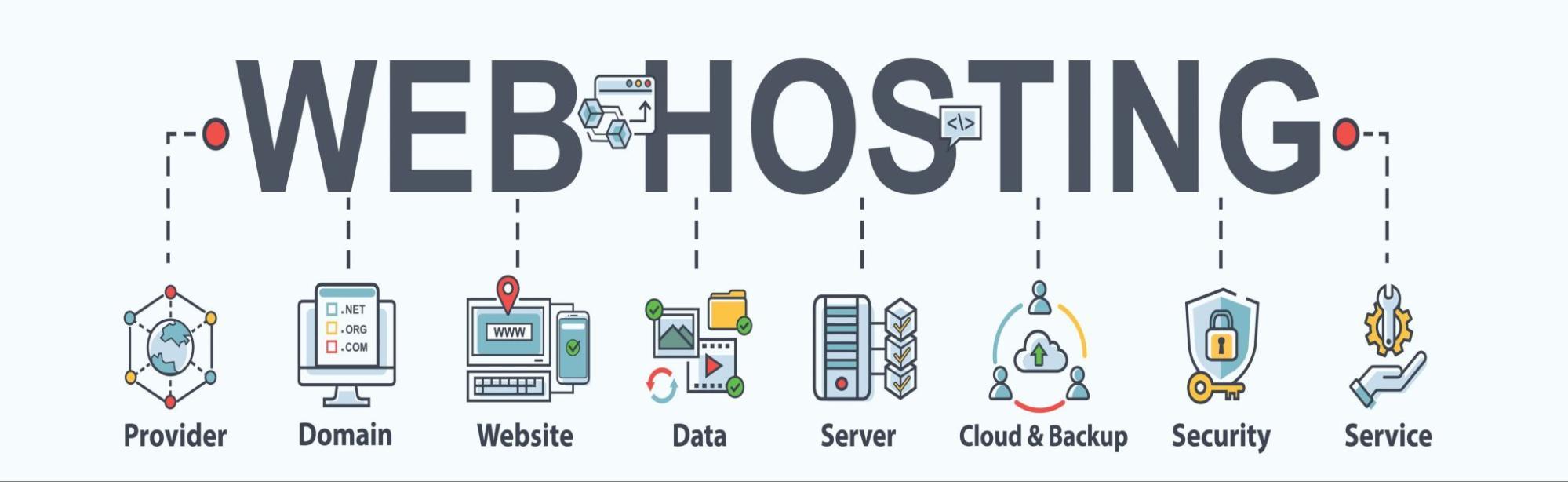
In today’s digital landscape, choosing the right web hosting provider is more crucial than ever for individuals and businesses alike. Your website serves as a virtual storefront, a platform for communication, and a hub for information, making its reliability and performance paramount. With a myriad of hosting options available—from shared hosting to dedicated servers, and from cloud solutions to VPS—navigating this sea of choices can feel overwhelming. This comprehensive guide aims to demystify the web hosting selection process by breaking down the key factors to consider, helping you understand the various hosting types, and providing insights into what makes a provider truly exceptional. Whether you’re launching a personal blog or managing an enterprise-level site, our expert tips will ensure you select a web hosting provider that aligns with your needs, ensures optimal uptime, and delivers superior performance. Let’s embark on this journey to find the ideal hosting solution for your unique online presence.
Table of Contents
- Understanding Your Hosting Needs and Objectives
- Evaluating Key Features and Performance Metrics
- Comparing Pricing Plans and Value for Money
- Assessing Customer Support and Reliability of Providers
- Future Outlook
Understanding Your Hosting Needs and Objectives
Before diving into the world of web hosting, it’s crucial to assess your unique requirements and aspirations for your online presence. Different projects demand different resources, whether you’re launching a personal blog, a startup website, or a large-scale e-commerce platform. Take a moment to consider the following factors:
- Type of Website: A static site may require less bandwidth and storage than a dynamic site reliant on databases.
- Traffic Expectations: Estimate your potential visitor count. This helps in choosing between shared or dedicated hosting options.
- Technical Expertise: Determine whether you prefer managed services or if you’re equipped to handle server management.
- Future Scalability: Choose a provider that allows for easy upgrades as your site grows.
Understanding the objectives of your website will also influence your decision-making process. For instance, do you prioritize speed, security, or comprehensive support? Aligning these priorities with the right type of hosting is essential. Below is a simple comparison table to help visualize the primary hosting types and their expected use cases:
| Hosting Type | Best For | Key Advantages |
|---|---|---|
| Shared Hosting | Small blogs, personal sites | Cost-effective, easy to use |
| VPS Hosting | Growing businesses, medium sites | More control, better performance |
| Dedicated Hosting | Large enterprises, high traffic sites | Full server control, high performance |
| Managed WordPress Hosting | WordPress websites | Optimized, expert support |
Evaluating Key Features and Performance Metrics
When exploring web hosting options, it’s crucial to assess a variety of key features that can greatly influence your website’s performance. Start by considering the type of hosting that best suits your needs—whether it’s shared, VPS, dedicated, or cloud hosting. Additionally, pay attention to aspects such as scalability, ensuring that your provider can accommodate growth without downtime. Key features to evaluate include:
- Storage and Bandwidth: How much data can you store, and how much traffic can your site handle?
- Uptime Guarantee: Look for providers that offer a minimum of 99.9% uptime.
- Customer Support: Availability and responsiveness of technical support, including live chat and phone options.
- Security Measures: SSL certificates, firewalls, and DDoS protection are essential for safeguarding your site.
Once you’ve identified critical features, it’s time to analyze the performance metrics that will ultimately reflect the user experience on your website. Metrics such as load time and response time dictate how quickly your site becomes interactive for users. A slow website can lead to increased bounce rates, negatively impacting your SEO rankings. To make informed decisions, you should also consider:
| Metric | Ideal Value |
|---|---|
| Load Time | Under 3 seconds |
| Response Time | Less than 200ms |
| Uptime | 99.9%+ |
Ultimately, selecting a hosting provider that meets both your feature and performance requirements is crucial for ensuring a solid online presence.
Comparing Pricing Plans and Value for Money
When evaluating different web hosting providers, it is essential to compare their pricing plans to see which offers the best value for your specific requirements. Many providers showcase a range of packages, often including features like disk space, bandwidth, SSL certificates, and customer support. Here’s a quick look at some common pricing tiers and what they might include:
- Basic Plan: Ideal for personal websites or blogs, offering limited storage and bandwidth.
- Standard Plan: Suitable for small businesses, includes more bandwidth and additional features like free domain registration.
- Premium Plan: Designed for larger e-commerce sites, featuring unlimited storage, dedicated IP addresses, and enhanced security options.
Furthermore, to evaluate the potential return on investment, it’s vital to examine what each hosting plan delivers for its price. Below is a comparative table showcasing key features across three web hosting providers:
| Provider | Basic Plan ($) | Standard Plan ($) | Premium Plan ($) |
|---|---|---|---|
| Host A | 3.99 | 8.99 | 15.99 |
| Host B | 2.99 | 7.99 | 12.99 |
| Host C | 4.49 | 9.49 | 14.99 |
By analyzing both the prices and the features included in various hosting plans, you’re better equipped to determine which option aligns with your financial budget while ensuring sufficient resources to support your website’s needs. Ultimately, the goal is to secure a hosting provider that not only fits your budget but also delivers essential and high-quality services conducive to your online success.
Assessing Customer Support and Reliability of Providers
When selecting a web hosting provider, customer support and reliability are critical factors that can significantly influence your online experience. The best providers offer multi-channel support options, ensuring that assistance is readily available whenever you need it. Look for features such as:
- 24/7 Customer Support: Access to knowledgeable staff at any hour.
- Live Chat and Phone Support: Immediate communication channels for urgent issues.
- Support Documentation: Comprehensive guides and FAQs that empower users to solve problems independently.
The reliability of a hosting provider is often measured by their uptime guarantees. A reputable provider typically boasts a minimum uptime of 99.9%, ensuring that your website remains accessible to visitors. Consider evaluating potential providers based on the following criteria:
| Provider | Uptime Guarantee | Support Response Time |
|---|---|---|
| Provider A | 99.99% | Under 1 hour |
| Provider B | 99.95% | Under 30 minutes |
| Provider C | 99.90% | Under 2 hours |
Assessing these aspects not only provides insight into the overall performance but also instills confidence that your website will operate smoothly, backed by dependable support services when crises occur.
Future Outlook
As we wrap up our exploration of selecting the ideal web hosting provider, it’s clear that making the right choice is crucial for your online presence. With the plethora of options available, understanding your specific needs—be it scalability, security, customer support, or budget—will empower you to make an informed decision that aligns with your goals. Remember that the best web host for one site may not be the best for another; it all comes down to your individual requirements and objectives.
Take the time to assess your options, read reviews, and perhaps even test a few services through trial periods. This diligence will pay off in ensuring your website runs smoothly and effectively, fostering a better experience for your visitors. By considering the factors we’ve discussed in this guide, you’re well-equipped to navigate the web hosting landscape and find a provider that not only meets your expectations but surpasses them.
Thank you for joining us on this journey! We hope this comprehensive guide serves as a valuable resource as you embark on your web hosting quest. If you have any questions or insights to share, feel free to leave a comment below. Happy hosting!