
Selecting the Ideal Dedicated Server Hosting Plan: A Guide
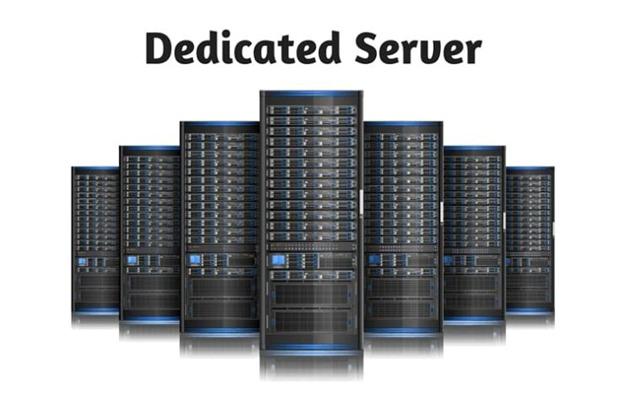
In today’s digital landscape, where online presence is paramount for businesses of all sizes, choosing the right hosting solution can make a significant difference in performance, security, and overall success. Among the various options available, dedicated server hosting stands out as a powerful choice for those seeking unmatched resources and control over their online environments. Whether you’re managing a high-traffic website, running resource-intensive applications, or simply looking for enhanced reliability, a dedicated server can provide the support you need. However, navigating the intricate world of hosting plans can be daunting, with numerous providers and configurations to consider. In this guide, we’ll break down the essential factors to help you select the ideal dedicated server hosting plan tailored to your unique requirements, ensuring that your online operations run smoothly and efficiently. From understanding your specific needs to evaluating pricing structures and support options, we’ll equip you with the knowledge necessary to make an informed decision that propels your business forward.
Table of Contents
- Understanding Your Hosting Needs for a Dedicated Server
- Key Features to Look for in a Dedicated Server Hosting Plan
- Budgeting for Performance: Cost vs. Value in Dedicated Hosting
- Evaluating Customer Support and Service Level Agreements
- Key Takeaways
Understanding Your Hosting Needs for a Dedicated Server
When considering a dedicated server, it’s crucial to thoroughly assess your specific needs. Begin by evaluating your resource requirements—how much CPU power, RAM, and storage do you anticipate needing? For instance, if you’re running resource-intensive applications or hosting a high-traffic website, opting for higher specifications will ensure optimal performance. Moreover, think about your scalability needs; as your business grows, your server requirements may evolve, so selecting a plan that allows for future upgrades smoothly can save you from potential headaches later on.
Another important aspect to contemplate is the level of control and management you’d like over your server. Dedicated servers can come managed or unmanaged. If you have limited technical expertise or prefer to focus on your core activities, a managed server may be the better option. Unmanaged servers, on the other hand, can provide complete control but will require a more hands-on approach. Additionally, consider the reliability of the hosting provider and the support services they offer. A provider with a solid reputation for uptime and customer support can significantly impact your experience and your site’s performance.
Key Features to Look for in a Dedicated Server Hosting Plan
When evaluating a dedicated server hosting plan, several essential features should be prioritized to ensure optimal performance and scalability for your business needs. First and foremost, consider the hardware specifications, such as the type of CPU, amount of RAM, and storage options available. High-performance CPUs and ample RAM are crucial for managing demanding applications and heavy traffic loads efficiently. Additionally, look for SSD storage which provides faster data retrieval times compared to traditional HDDs, enhancing overall server speed and responsiveness.
Another critical aspect to examine is network connectivity. A reliable dedicated server should offer a guaranteed uptime percentage (typically above 99.9%) and robust bandwidth allocation to handle peak usage times without performance degradation. Furthermore, security features are paramount; ensure that the hosting plan includes firewall protection, DDoS mitigation, and regular backups to safeguard your data. consider the level of technical support provided, as 24/7 assistance can be invaluable for troubleshooting and maintaining server health.
Budgeting for Performance: Cost vs. Value in Dedicated Hosting
When evaluating dedicated hosting options, it’s essential to differentiate between cost and value. While it might be tempting to chase the lowest price, focusing exclusively on cost can result in sacrificing the quality of service, support, and performance. Value encompasses not just the upfront expenditure but also the long-term benefits of investing in a reliable server solution. Key factors to consider when estimating value include:
- Performance: Assess the server specifications that align with your workload requirements.
- Support: Evaluate the quality of customer support and technical assistance.
- Scalability: Consider how easily the server can adapt to future growth.
- Security: Look for included security features to protect your data.
- Customization: Check if the hosting provider offers flexible configurations tailored to your business needs.
Moreover, it’s useful to weigh the benefits of higher-end plans against budget options. Although premium hosting services may require a larger initial investment, the potential return on that investment can be significant, particularly when uptime and performance are critical. Below is a simple comparison of basic and premium hosting features:
| Feature | Basic Plan | Premium Plan |
|---|---|---|
| Monthly Cost | $100 | $300 |
| Uptime Guarantee | 99.5% | 99.9% |
| Customer Support | Standard | 24/7 Priority |
| Dedicated Resources | Limited | Full |
This cost-value analysis reveals that spending a bit more upfront for a premium plan can facilitate greater performance, enhanced support, and a smoother user experience, ultimately leading to a stronger business outcome. Therefore, as you select your dedicated server hosting plan, align your choices with both immediate and long-term business objectives to ensure you’re getting the best possible value for your investment.
Evaluating Customer Support and Service Level Agreements
When choosing a dedicated server hosting plan, the quality of customer support is a crucial factor that can greatly impact your overall experience. It’s essential to assess the availability and proficiency of the support team. Look for providers that offer:
- 24/7 Assistance: Ensure that help is accessible at all times, especially if your business operates across different time zones.
- Multiple Support Channels: Opt for companies that offer various contact methods such as live chat, phone support, and email.
- Knowledge Base: A comprehensive FAQ or support documentation can often resolve common issues quickly without direct assistance.
Additionally, reviewing the Service Level Agreements (SLAs) can shed light on the commitments made by your hosting provider regarding uptime and response times. An effective SLA typically includes:
- Guaranteed Uptime: Look for a minimum of 99.9% uptime to ensure your server is reliable.
- Response Times: The documentation should specify how quickly support will respond to various issues, categorized by severity.
- Compensation for Downtime: Check for clauses that outline compensation for service interruptions, which reflects the provider’s accountability.
Key Takeaways
selecting the ideal dedicated server hosting plan is a critical step towards ensuring your website or application performs optimally and securely. By carefully considering factors such as your specific needs, anticipated traffic, scalability, and budget, you can make an informed decision that aligns with your goals. Remember that the right hosting provider will not only offer robust technical specifications but also reliable customer support to assist you during your journey.
As you embark on this selection process, take your time to research, compare options, and reach out to providers with questions. The investment you make in a dedicated server will pay dividends in improved performance, enhanced security, and ultimately, a better experience for your users.
We hope this guide has provided you with valuable insights and clarity as you navigate the world of dedicated server hosting. If you have any further questions or need assistance, please feel free to reach out in the comments below. Happy hosting!