
Secure File Sharing: Using a VPN for Safe Transfers
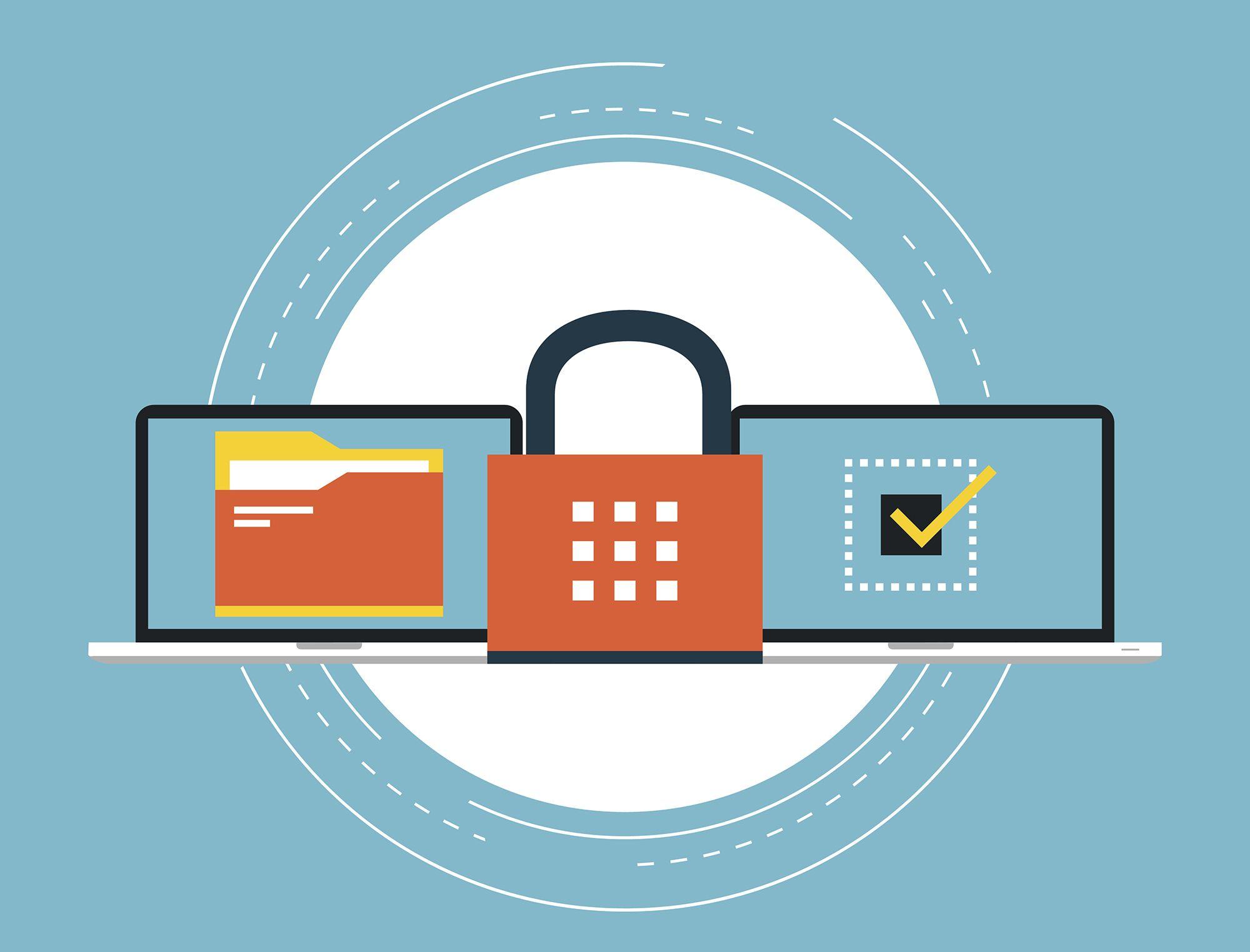
In an increasingly digital world, the way we share information has transformed dramatically. Gone are the days when physical documents were the primary means of communication; today, files traverse the internet in mere seconds, connecting people and businesses across the globe. However, with this convenience comes a significant concern: security. As data breaches and cyber threats become more prevalent, it’s essential to ensure that sensitive files remain protected during transit. One of the most effective ways to achieve this is by using a Virtual Private Network (VPN). In this article, we will explore the benefits of secure file sharing through a VPN, outlining how this powerful tool enhances data protection and offers peace of mind for both individuals and organizations. Whether you’re a freelancer sharing client documents or a company transferring confidential information, understanding the importance of VPNs in secure file sharing is crucial to safeguarding your data and maintaining trust in an interconnected world.
Table of Contents
- Understanding the Importance of Secure File Sharing in the Digital Age
- How a VPN Enhances File Transfer Security
- Best Practices for Safely Sharing Files with a VPN
- Top VPN Recommendations for Secure File Sharing
- Insights and Conclusions
Understanding the Importance of Secure File Sharing in the Digital Age
In an increasingly interconnected world, the necessity for secure file sharing has never been more pronounced. With the rise of remote work and global collaboration, the exchange of sensitive information is a frequent occurrence, making online security paramount. Utilizing a VPN not only encrypts your data during transmission but also masks your IP address, ensuring that your digital footprint remains obscured. This dual layer of protection addresses several critical concerns:
- Data Encryption: VPNs encrypt your files, preventing unauthorized access while they are in transit.
- Privacy Protection: By obscuring your IP address, VPNs protect your identity from potential cyber threats.
- Access to Restricted Content: A VPN allows you to bypass geographic restrictions, making it easier to share files across different regions.
Moreover, the risks associated with insecure file sharing can lead to severe consequences, including data breaches and financial loss. When using file-sharing services without adequate security measures, sensitive information can become vulnerable to interception by malicious entities. To illustrate the importance of employing a VPN for secure file transfers, consider the following comparison of secure versus unsecured file transfer methods:
| Method | Security Features | Risk Level |
|---|---|---|
| Secure File Sharing via VPN | Data encryption, IP masking | Low |
| Traditional Email | No encryption | High |
| Public Cloud Storage | Basic security measures | Medium |
By choosing a secure method, such as using a VPN, individuals and businesses can significantly mitigate the risks associated with data theft and unauthorized access, ensuring that their confidential information remains protected in the digital landscape.
How a VPN Enhances File Transfer Security
When transferring files over the internet, security is often a top concern for individuals and businesses alike. A Virtual Private Network (VPN) acts as a shield by encrypting the data being transmitted, ensuring that sensitive information remains confidential and protected from unauthorized access. This encryption process means that even if a malicious actor manages to intercept the data, they would only encounter scrambled information that is virtually impossible to decipher. By implementing a VPN, users can enjoy peace of mind knowing that their file transfers are obscured from prying eyes.
Moreover, utilizing a VPN helps in maintaining privacy while sharing files, especially when connected to public Wi-Fi networks. Such environments are notorious for their vulnerabilities, making it easy for potential hackers to gain access to unprotected data. By routing your internet connection through a secure server, a VPN not only masks your IP address but also enhances the security of your connection through additional layers of protection. Here are some additional benefits:
- Enhanced anonymity while transferring files.
- Access to secure servers in multiple geographic locations.
- Better performance during file transfer due to optimizations.
Best Practices for Safely Sharing Files with a VPN
To ensure your file-sharing process remains secure while using a VPN, it’s essential to start with strong passwords and two-factor authentication. By implementing these measures, you significantly enhance the security of your files. Additionally, consider using encryption methods that protect your data during transfer. Encrypting files before uploading them through the VPN guarantees that, even if intercepted, the content remains safe from unauthorized access. As a best practice, always verify recipient identities before sharing sensitive files, which can help prevent accidental disclosures or data breaches.
Moreover, keeping your VPN software up to date is crucial to safeguarding against potential vulnerabilities. Regular updates often include security patches that fix known issues. Before sharing files, check your VPN settings to ensure that you are connected to a trusted server. Using a dedicated IP address can also enhance your security. Below is a simple table outlining additional best practices for secure file sharing:
| Best Practice | Description |
|---|---|
| Use Secure Protocols | Choose protocols like SFTP or HTTPS for added protection during transfers. |
| Limit File Access | Share files only with those who need them, and maintain access control. |
| Monitor Activity | Regularly check logs and reports for any unusual access or transfers. |
Top VPN Recommendations for Secure File Sharing
When it comes to secure file sharing, choosing the right VPN is crucial to ensure that your sensitive data remains protected during transfers. Look for providers that offer robust encryption protocols, a strict no-logs policy, and high-speed servers to maintain file transfer efficiency. Here are some top contenders that are frequently recommended for their exceptional performance and security features:
- ExpressVPN: Known for its lightning-fast speeds and military-grade encryption, making it ideal for sharing large files securely.
- NordVPN: Offers double encryption and an extensive server network, providing both security and versatility for file sharing.
- Surfshark: Unlimited connections with a single account and a strict privacy policy ensure safe and economical file transfers.
- CyberGhost: User-friendly interface and dedicated servers for torrenting, perfect for quick and secure file sharing.
Comparison is key to finding the right fit for your needs. Below is a quick overview of the distinctive features of each of these VPNs tailored for secure file sharing:
| VPN Provider | Speed | Security Features | No-Logs Policy |
|---|---|---|---|
| ExpressVPN | Excellent | 256-bit AES Encryption | Strict |
| NordVPN | Very Good | Double VPN, CyberSec | Verified |
| Surfshark | Good | Camouflage Mode, MultiHop | Strict |
| CyberGhost | Good | NoSpy Servers, Ad Blocking | Strict |
Insights and Conclusions
secure file sharing is more critical than ever in our interconnected world, where data breaches and cyber threats loom large. Utilizing a VPN not only enhances the security of your file transfers but also provides an invaluable layer of privacy and anonymity. By encrypting your connection, a VPN safeguards your sensitive information from prying eyes and ensures that your data remains confidential.
As we’ve explored, the right VPN can significantly bolster your file-sharing practices, allowing you to collaborate efficiently without compromising on security. Whether you’re a business professional handling sensitive documents or an individual sharing personal files, prioritizing secure methods is essential.
We encourage you to assess your current file-sharing practices. Are you doing enough to protect your data? By integrating a reliable VPN into your workflow, you can enjoy peace of mind knowing that your information is secure. Stay vigilant, invest in robust security measures, and make secure file sharing a priority in your digital interactions. Until next time, stay safe online!