
Seamless Transition: Upgrading from VPS to Dedicated Hosting
In today’s fast-paced digital landscape, businesses are increasingly reliant on robust and reliable hosting solutions to power their online presence. While Virtual Private Servers (VPS) have long been a popular choice for their balance of performance and cost-effectiveness, the demands of growing traffic and more intricate applications can signal the need for a more powerful solution. As businesses scale and evolve, upgrading from VPS to dedicated hosting offers a pathway to not only enhance performance but also ensure greater control, security, and reliability. In this article, we will explore the nuances of this transition, helping you understand when it’s time to make the leap and how to do so seamlessly. Whether you’re a small enterprise facing rapid growth or a seasoned organization required to meet stringent performance standards, understanding the dedicated hosting landscape is crucial for long-term success. Join us as we unravel the key benefits, potential challenges, and best practices for upgrading your hosting environment, ensuring your business’s online infrastructure is ready to meet future demands.
Table of Contents
- Understanding the Key Differences Between VPS and Dedicated Hosting
- Identifying the Right Time for an Upgrade
- Critical Steps for a Smooth Transition Process
- Best Practices for Optimizing Your New Dedicated Server
- The Conclusion
Understanding the Key Differences Between VPS and Dedicated Hosting
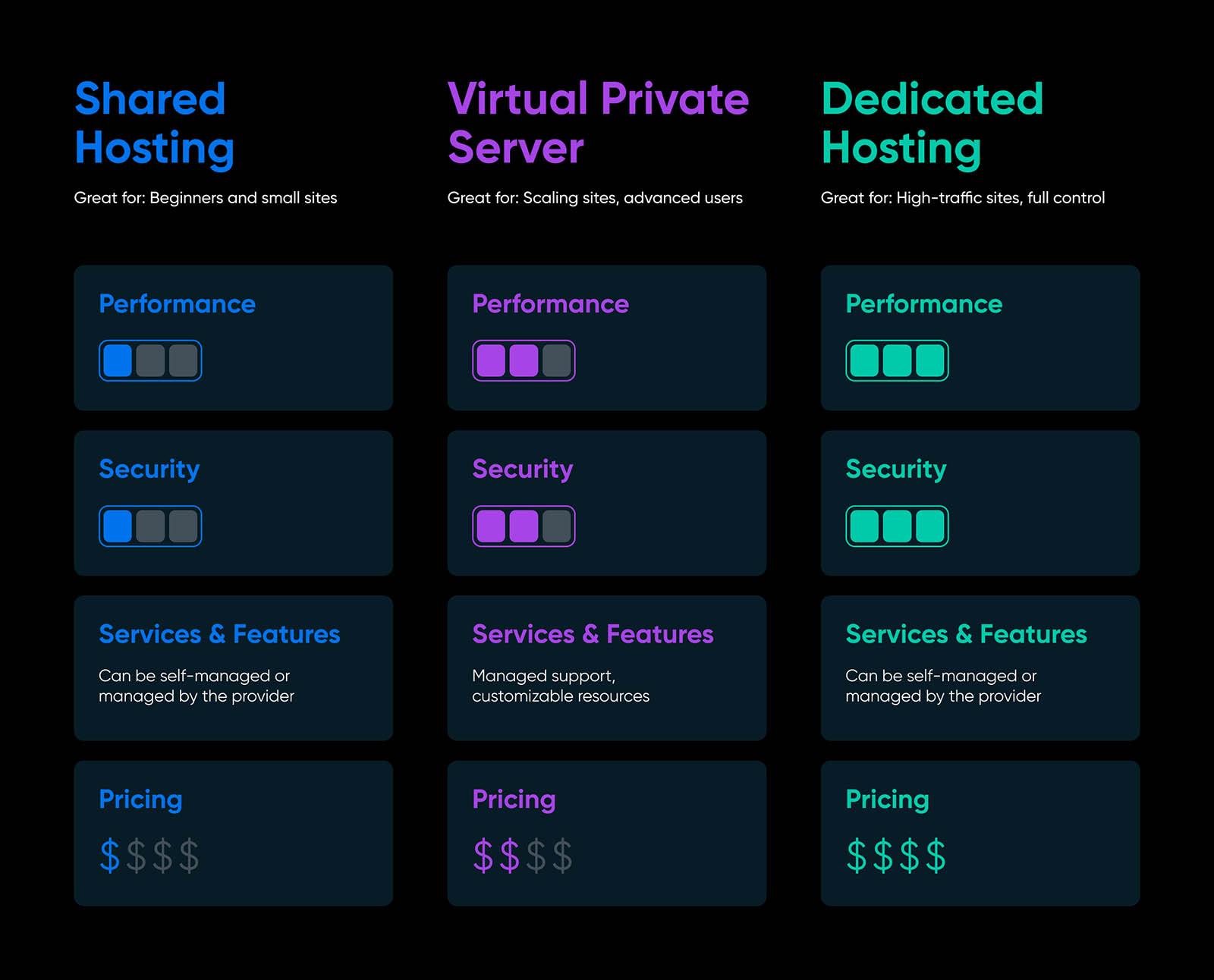
When considering a transition from Virtual Private Server (VPS) hosting to dedicated hosting, it’s crucial to understand their fundamental differences. VPS hosting operates on a single physical server, which is divided into multiple virtual servers. Each VPS has its own resources and operating system, allowing for greater control and customization than shared hosting. However, you still share the underlying physical hardware with other users, which can lead to performance inconsistencies during peak usage times. In contrast, dedicated hosting provides an entire physical server exclusively for your use. This means you benefit from full resource allocation, leading to enhanced performance, security, and reliability without the interference of neighboring users.
Another significant distinction lies in the management and maintenance responsibilities associated with each option. VPS hosting typically requires a moderate level of technical knowledge, as you may need to perform tasks like software updates and security configurations. This can be manageable for many users, but may not be ideal for businesses looking to minimize IT demands. Dedicated hosting, however, often comes with the option of fully managed services, where hosting providers take care of system maintenance, security, and updates on your behalf. This allows you to focus entirely on your core business operations, rather than IT management. Consider the following attributes when evaluating your hosting needs:
| Feature | VPS Hosting | Dedicated Hosting |
|---|---|---|
| Resource Allocation | Shared on a single node | Exclusive use of entire server |
| Performance | Variable, based on neighboring VPSs | Stable and predictable performance |
| Management | Moderately technical | Often managed options available |
| Cost | More affordable | Higher investment required |
Identifying the Right Time for an Upgrade
Determining when to transition from a Virtual Private Server (VPS) to dedicated hosting hinges on several key indicators that reflect your website’s performance and requirements. Keep an eye out for signs such as sluggish loading times, especially during peak traffic hours. If your visitors consistently experience lag or delays, it might be a signal that your VPS is struggling to handle the increased load. Additionally, if you notice frequent resource spikes or your website is running out of memory, it’s crucial to consider whether upgrading would alleviate these issues.
Monitoring your growth can also shed light on the right timing for an upgrade. Evaluate how your user base is expanding and whether your VPS plan is keeping pace. Factors to consider include:
- Increased Traffic: Has your site traffic doubled or tripled?
- Low Performance: Are you experiencing slow response times or downtime frequently?
- Inadequate Customization: Do you require specific software installations or configurations that a VPS cannot accommodate?
| Indicator | Action Needed |
|---|---|
| Traffic Surges | Consider upgrading to dedicated hosting |
| Frequent Downtime | Evaluate your current hosting plan |
| Sustained Resource Limits | Assess your website’s growth and needs |
Critical Steps for a Smooth Transition Process
To ensure a successful upgrade from VPS to dedicated hosting, it is crucial to conduct thorough planning and preparation. First, evaluate your current server usage, pinpointing your resource requirements such as CPU, RAM, and storage. This analysis will allow you to select a dedicated server that not only meets your present needs but also provides room for future growth. Consider the importance of data migration; utilizing reliable tools and techniques can significantly minimize downtime. Additionally, perform a comprehensive backup of your existing VPS environment prior to the transition to safeguard your data.
Once the new dedicated server is in place, carefully implement configuration adjustments. Pay attention to the following essential aspects:
- Security measures: Set up firewalls, SSL certificates, and regular security updates to protect your new environment.
- Performance optimization: Fine-tune server settings to improve load times and responsiveness.
- Testing phase: Conduct rigorous testing to identify any potential issues in the new setup before fully migrating traffic.
Maintaining clear communication with your hosting provider during this phase is vital. They can offer invaluable support and guidance, making the process smoother and ensuring that any issues that arise are promptly addressed.
Best Practices for Optimizing Your New Dedicated Server
Transitioning to a dedicated server opens up a new realm of possibilities for performance and customization. To ensure you fully harness this power, start by optimizing your server configuration. This includes fine-tuning your operating system and web server settings to match your specific application needs. Consider implementing caching mechanisms such as Redis or Memcached to reduce database load and enhance page speed. Additionally, ensure that your server has the necessary resources, such as adequate CPU and RAM, tailored to your expected traffic and data processing requirements.
Security should also be a cornerstone of your dedicated server strategy. Utilize a combination of firewalls, intrusion detection systems, and routine software updates to fend off potential threats. Regularly audit your server’s access controls and file permissions to mitigate security risks. Furthermore, consider implementing a reliable backup solution to protect your data from unexpected failures. For your convenience, a quick reference table summarizing the best practices is provided below:
| Best Practice | Description |
|---|---|
| Optimize Server Configuration | Tailor OS and web server settings for your application needs. |
| Implement Caching | Use Redis or Memcached to enhance performance. |
| Enhance Security | Utilize firewalls and intrusion detection systems. |
| Regular Backups | Protect data against unexpected failures. |
The Conclusion
As we conclude our exploration of the seamless transition from VPS to dedicated hosting, it’s clear that this upgrade offers a host of benefits for businesses ready to scale their online presence. With enhanced performance, improved security, and the flexibility to customize settings according to specific needs, dedicated hosting is often the logical next step for growing organizations.
Remember, the key to a successful transition lies in thorough preparation and understanding your unique requirements. Engaging with specialized experts can simplify this process and ensure a smooth migration. Don’t hesitate to leverage available resources and support to make your upgrade as seamless as possible.
In an increasingly competitive digital landscape, empowering your business with dedicated resources can set you apart. If you’re ready to take your operations to the next level, consider making the switch today. Your online success awaits! Happy hosting!