
Safeguard Your Privacy: Tips to Spot VPN Scams
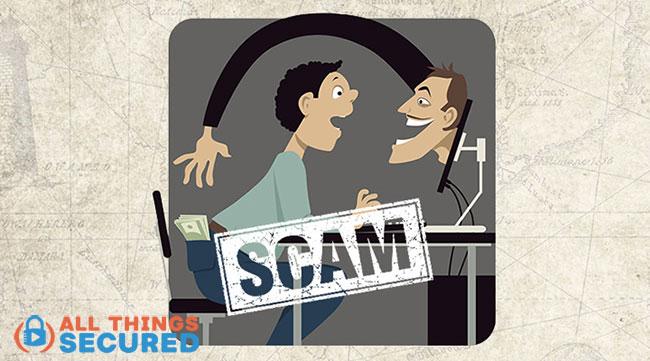
In an age where digital privacy has become paramount, the use of Virtual Private Networks (VPNs) has surged in popularity. These tools promise to enhance our online security and access restricted content, but with increasing demand comes a rise in deceitful schemes. Cybercriminals are preying on unsuspecting users with misleading VPN services that compromise rather than protect personal information. As the lines blur between legitimate services and scams, it’s crucial to equip yourself with the right knowledge to differentiate between the two. In this article, we’ll explore practical strategies to identify VPN scams, ensuring you guard your online privacy effectively while navigating the digital landscape with confidence. Read on to arm yourself with the insights you need to make informed decisions and keep your data secure.
Table of Contents
- Understanding the Landscape of VPN Scams
- Identifying Red Flags in VPN Offerings
- Evaluating Trustworthiness: Key Factors to Consider
- Best Practices for Choosing a Reliable VPN Service
- In Summary
Understanding the Landscape of VPN Scams
In today’s digital age, the surge of VPN services promises enhanced privacy and security, but not all VPNs are created equal. The proliferation of VPN scams has made it essential for users to remain vigilant. Scammers often mask themselves behind enticing promises such as “unlimited bandwidth”, “total anonymity”, and “no logs policy.” However, if these claims are too good to be true, they likely are. To safeguard your online experience, it’s crucial to examine the legitimacy of a VPN provider before committing. Be wary of user reviews, corporate transparency, and clear privacy policies. Engaging in due diligence can spare you the disappointment and privacy breaches associated with a fraudulent service.
Identifying VPN scams requires an understanding of the common tactics scammers employ. Look out for unrealistic pricing; many legitimate VPNs offer competitive yet reasonable rates. Flash sales or monthly subscriptions that are suspiciously low can indicate a scam. Furthermore, always check for clear contact information and customer support options. If a VPN lacks a physical address or reliable customer service, it’s a red flag. Tools to mitigate risks include evaluating VPN service websites for SSL certification (visible in the URL as HTTPS) and consulting trusted tech forums for user experiences. By discerning these warning signs, you can better equip yourself against deceptive VPN offers.
Identifying Red Flags in VPN Offerings
When exploring VPN offerings, it’s crucial to remain vigilant about potential red flags that could indicate a scam. One major warning sign is a lack of transparency. Reputable VPN services typically provide clear information about their privacy policies, logging practices, and overall business operations. If a provider is vague or concealed about their practices, it’s best to proceed with caution. Additionally, overly attractive pricing can also be a red flag; extremely low-priced deals often sacrifice privacy or security features in exchange for profit through less ethical means. Always compare offerings with established brands in the market to gauge fairness in pricing.
Another area to scrutinize is the VPN’s customer support and user reviews. If a VPN provider has limited customer service options or lacks genuine user feedback, this might indicate underlying issues with product quality. Look for providers that offer multiple support channels and respond promptly to user inquiries. Furthermore, be wary of services that promise unrealistic features, such as “unlimited” bandwidth or complete anonymity. These claims often mask inherent vulnerabilities. Here’s a simple comparison table summarizing key factors to consider:
| Red Flag | What to Look For |
|---|---|
| Lack of Transparency | Detailed privacy policy and logging practices |
| Unreasonably Low Prices | Pricing comparable to industry standards |
| Poor Customer Support | Multiple contact methods and responsiveness |
| Unrealistic Claims | Feasibility of features offered |
Evaluating Trustworthiness: Key Factors to Consider
When evaluating the trustworthiness of a VPN service, it’s essential to look beyond flashy advertisements and enticing claims. Start by examining the company’s reputation. Research online reviews and forums where users share their experiences. Be cautious of services that have overwhelmingly negative feedback or those with a history of data breaches. Additionally, check for third-party audits, which validate a VPN’s privacy policies and security claims. A transparent audit process is a strong indicator that a VPN provider is serious about protecting user data.
Another critical factor is the privacy policy. Ensure that the VPN clearly states how it handles your data. A reputable provider will have a strict no-logs policy and will not sell your information to third parties. It’s also worthwhile to consider the location of the VPN company; jurisdictions with strong privacy laws can provide an added layer of security. be vigilant about customer support. A trustworthy VPN should offer responsive and accessible support options, including live chat or comprehensive FAQs, allowing users to address issues promptly.
Best Practices for Choosing a Reliable VPN Service
When selecting a VPN service, it’s crucial to evaluate the provider’s reputation within the industry. Research customer reviews and expert opinions to understand the experiences of other users. Look for transparency in the company’s operations, especially regarding its no-logs policy. You can further verify this by checking whether the VPN has undergone independent security audits. A reliable provider will openly share details about their security measures and any third-party assessments they’ve passed.
Another key aspect to consider is the range of features that the VPN offers. A competent VPN should include features such as strong encryption, a kill switch, DNS leak protection, and compatibility with multiple devices. It’s worth exploring the provider’s customer support options as well; a trustworthy VPN should provide 24/7 assistance through various channels. Here’s a quick comparison table highlighting some factors to keep in mind:
| Feature | Importance |
|---|---|
| No-Logs Policy | Essential for privacy protection |
| Strong Encryption | Ensures data security |
| Kill Switch | Prevents data leaks |
| Customer Support | Critical for resolving issues |
In Summary
while VPNs can be powerful tools for enhancing your online privacy, it’s crucial to remain vigilant against scams that could compromise your security. By following the tips outlined in this article—conducting thorough research, scrutinizing user reviews, and being wary of unbeatable deals—you can safeguard your online presence and make informed decisions when choosing a VPN service. Remember, your privacy is a priority, and arming yourself with knowledge is your first line of defense. Stay informed, stay secure, and don’t let scammers compromise your digital freedom. Thank you for reading, and we encourage you to share your insights or experiences in the comments below. Your feedback helps foster a community that prioritizes safety in our digital lives!