
Maximizing Performance: Dedicated Server Hosting for Education
In an era where digital education is rapidly evolving, educational institutions must leverage cutting-edge technology to meet the diverse needs of their students. One solution that is gaining traction is dedicated server hosting, a robust option that can significantly enhance the performance and reliability of online learning environments. But what exactly makes dedicated server hosting a game-changer for educational institutions? In this article, we will explore how dedicated servers can maximize performance in educational settings, addressing everything from improved loading speeds to heightened security measures. By the end, you’ll understand why investing in dedicated server hosting is not just an option but a necessity for educators looking to deliver a seamless and dynamic learning experience for their students. Join us as we delve into the myriad ways this technology can transform the educational landscape.
Table of Contents
- Understanding the Benefits of Dedicated Server Hosting for Educational Institutions
- Key Features That Make Dedicated Servers Ideal for Learning Environments
- Strategies for Optimizing Server Performance in Educational Settings
- Cost-Effective Solutions: Balancing Quality and Budget in Dedicated Hosting
- To Conclude
Understanding the Benefits of Dedicated Server Hosting for Educational Institutions
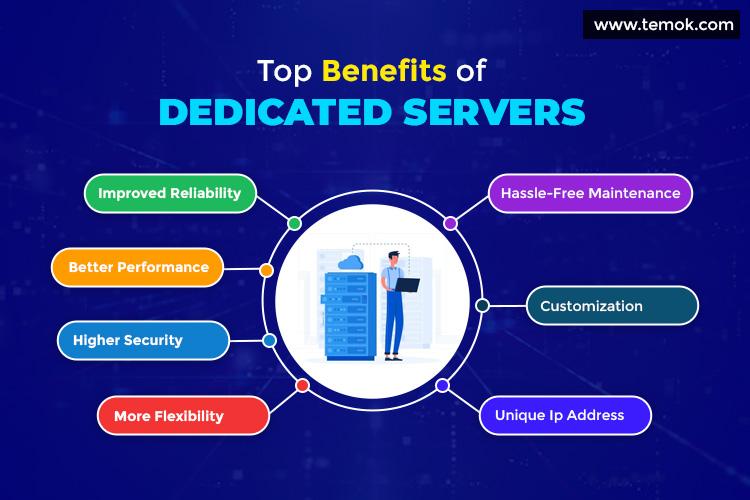
Dedicated server hosting offers educational institutions unmatched performance and reliability, essential for managing their diverse online needs. Whether it’s for hosting online courses, managing student data, or running complex applications, dedicated servers provide the benefits of enhanced speed, improved security, and greater customization. With dedicated resources allocated solely to one organization, schools can ensure that their websites run smoothly, even during peak traffic times, promoting seamless learning experiences for students and faculty alike.
Moreover, dedicated server hosting allows schools to adapt to their specific requirements without the limitations found in shared hosting environments. Institutions can choose the operating systems, software, and configurations that best suit their needs, which leads to better resource management and cost efficiency. Some specific benefits include:
- Increased Data Protection: Dedicated servers offer advanced security features to safeguard sensitive student information.
- Customizable Hardware: Institutions can opt for hardware configurations that align with their unique usage patterns.
- Scalability: As educational institutions grow, dedicated servers can be easily upgraded to meet increasing demands.
To illustrate the advantages, consider the following table that summarizes key features of dedicated server hosting compared to shared hosting:
| Feature | Dedicated Hosting | Shared Hosting |
|---|---|---|
| Performance | High | Variable |
| Security | Enhanced | Basic |
| Customization | Full | Limited |
| Resource Allocation | Exclusive | Shared |
Key Features That Make Dedicated Servers Ideal for Learning Environments
Dedicated servers offer unparalleled customization and performance, making them a perfect fit for educational institutions aiming to enhance their learning environments. With a dedicated server, users have full control over their server settings, enabling them to tailor configurations to the specific needs of their applications, whether it’s hosting large databases, managing complex web platforms, or facilitating collaborative learning tools. This level of control ensures that educators and students experience optimum speed and reliability, eliminating the frustrations of downtime or slow access that can hinder the learning process.
Moreover, dedicated servers provide enhanced security features, which are critical in protecting sensitive student data and institution information. With dedicated resources, the risk of external threats is significantly reduced, allowing schools to maintain compliance with data protection regulations. Additionally, the ability to implement advanced security protocols, such as firewalls and DDoS protection, further strengthens the overall safety of the educational environment. Below is a comparison of how dedicated servers stack up against other hosting solutions in educational settings:
| Feature | Dedicated Server | Shared Hosting | Cloud Hosting |
|---|---|---|---|
| Customizability | High | Low | Medium |
| Performance | Consistent | Varies | Scalable |
| Security | Advanced | Basic | Moderate |
| Cost | Higher | Lower | Varied |
Strategies for Optimizing Server Performance in Educational Settings
To enhance the performance of dedicated servers in educational contexts, it’s vital to focus on both hardware and software optimizations. Upgrading physical components such as RAM and CPU can directly impact the speed and efficiency with which applications run. Additionally, investing in SSD storage instead of traditional HDDs can significantly decrease data retrieval times. It’s also crucial to regularly monitor server health and capacity, ensuring that the system can handle peak loads typically encountered during busy academic periods. This proactive approach helps in anticipating performance bottlenecks before they affect student access to resources.
Equally important is the configuration of server software and applications. Implementing content delivery networks (CDNs) can distribute bandwidth load and provide students with faster access to educational materials. Furthermore, load balancing can reduce the strain on any single server by directing traffic evenly across multiple servers. To facilitate better management, consider adopting virtualization techniques to run multiple applications on isolated environments, which not only conserves resources but also enhances security across educational platforms. Below is a simplified table showcasing key strategies and their benefits:
| Strategy | Benefit |
|---|---|
| Upgrade RAM & CPU | Improved processing speed |
| Implement SSDs | Faster data access |
| Utilize CDNs | Reduced load times |
| Load Balancing | Better traffic distribution |
| Virtualization | Resource optimization & security |
Cost-Effective Solutions: Balancing Quality and Budget in Dedicated Hosting
Finding the right balance between quality and budget in dedicated hosting is crucial for educational institutions that want to optimize their technological investments. Often, the challenge lies in ensuring that performance levels do not suffer due to cost-cutting measures. To achieve this balance, consider the following approaches:
- Evaluate Service Packages: Compare various hosting providers and their offerings to identify packages that provide robust performance at competitive rates.
- Opt for Scalable Solutions: Choose plans that allow for easy upgrades should your needs evolve, ensuring you don’t pay for unnecessary resources.
- Leverage Managed Services: Employ managed hosting options that offer comprehensive support, which can minimize downtime and reduce the need for in-house IT expertise.
Additionally, investing in quality hardware can yield long-term savings by reducing maintenance costs and enhancing reliability. Schools and educational organizations can benefit from documenting their hosting needs clearly, helping them make informed decisions. Here’s a simple comparison of various server configurations that exemplify cost-effective choices:
| Server Type | Key Features | Estimated Cost |
|---|---|---|
| Basic Dedicated Server | Dual-core CPU, 8GB RAM, 1TB HDD | $100/month |
| Mid-range Dedicated Server | Quad-core CPU, 16GB RAM, 2TB HDD | $200/month |
| High-Performance Dedicated Server | Hexa-core CPU, 32GB RAM, 4TB SSD | $400/month |
By carefully considering these options, educational institutions can maximize their hosting investments while ensuring their servers meet both performance and budgetary requirements effectively.
To Conclude
As we conclude our exploration of maximizing performance through dedicated server hosting in the education sector, it’s clear that the right technological infrastructure can significantly enhance both teaching and learning experiences. Dedicated servers not only offer unmatched reliability and speed but also provide the scalability needed to handle fluctuating demands, especially during peak usage times such as exam seasons or online course registrations.
In an era where digital learning is becoming the norm, investing in dedicated server solutions is not merely a technical upgrade—it’s a strategic decision that positions educational institutions for success in a competitive landscape. From improved data security and streamlined resource management to the ability to foster more engaging, interactive educational environments, the benefits are too significant to overlook.
As educational administrators and IT professionals consider their hosting options, making the transition to dedicated server hosting may very well be the key to unlocking new levels of performance, innovation, and student satisfaction. By prioritizing infrastructure, educational institutions can focus on what truly matters: empowering learners and educators alike to thrive in a digital-first world.
We encourage you to weigh the advantages and consider how dedicated server hosting can fit into your institution’s broader strategy for excellence in education. After all, the foundation for tomorrow’s learning begins with the technology choices we make today. Thank you for reading, and we look forward to seeing how your institution maximizes its potential through robust hosting solutions!