
Maximizing Efficiency: Shared Hosting Solutions for Small Businesses
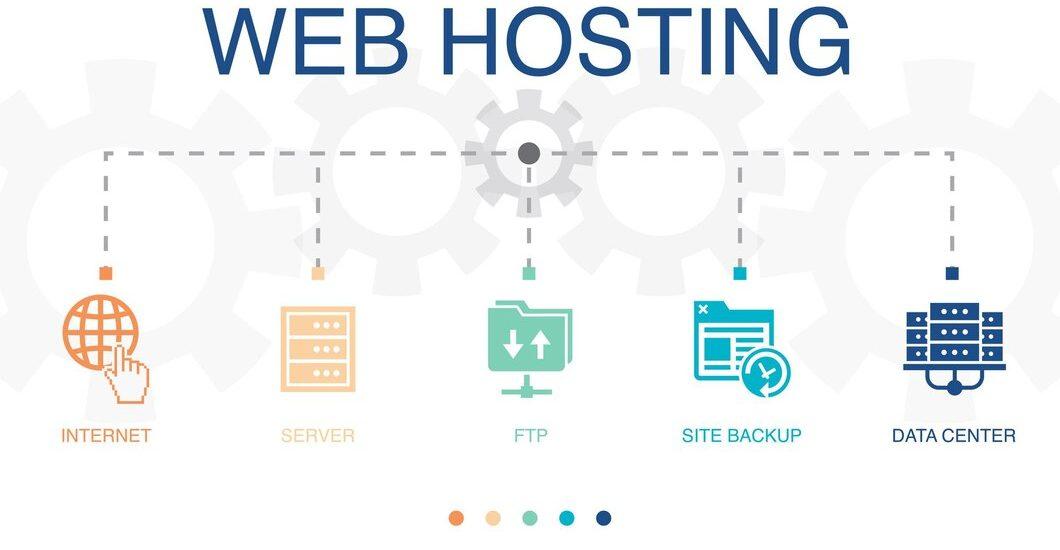
In today’s fast-paced digital landscape, small businesses are constantly on the lookout for ways to streamline operations and maximize efficiency. One of the most critical components of a successful online presence is a reliable web hosting service. Shared hosting solutions have emerged as a popular choice for small businesses aiming to balance performance, affordability, and scalability. In this article, we will explore how shared hosting can not only bolster your online visibility but also enhance overall business productivity. We’ll delve into the key features of shared hosting, compare it with alternative solutions, and provide actionable tips on selecting the right plan for your unique needs. Join us as we uncover how investing in the right hosting solution can set your small business on the path to success.
Table of Contents
- Understanding the Benefits of Shared Hosting for Small Businesses
- Key Features to Look for in a Reliable Shared Hosting Provider
- Optimizing Your Website Performance on Shared Hosting Platforms
- Cost-Effective Strategies for Managing Shared Hosting Resources
- Insights and Conclusions
Understanding the Benefits of Shared Hosting for Small Businesses
Shared hosting presents an attractive option for small businesses looking to establish their online presence without breaking the bank. It allows multiple websites to reside on the same server, significantly lowering costs while providing adequate resources for less demanding needs. This arrangement is ideal for startups and small enterprises aiming to allocate their budget to other crucial aspects, such as marketing and product development. The key advantages include:
- Cost-Effective Solutions: Shared hosting plans are generally cheaper than dedicated servers, offering a budget-friendly way to get online.
- Ease of Management: Most shared hosting providers include user-friendly control panels that simplify website management, even for those with minimal technical expertise.
- Built-in Support: Many hosting services offer customer support, which helps small business owners troubleshoot issues and maintain their online platforms without needing extensive IT knowledge.
In addition to affordability and ease of use, shared hosting fosters scalability. As a business grows, its needs will inevitably evolve. Shared hosting providers often supply a variety of plans that small businesses can upgrade to as their requirements expand, ensuring that they only pay for the resources they use. This flexibility allows businesses to maintain a strong online presence without the stress of constant server management. Moreover, many shared hosting services offer the following features:
| Feature | Benefit |
|---|---|
| Free Domain Registration | Establish a professional brand identity without extra costs. |
| SSL Certificates | Enhance security and gain customer trust. |
| One-Click Installations | Simplify the process of setting up websites and applications. |
Key Features to Look for in a Reliable Shared Hosting Provider
When selecting a shared hosting provider, small businesses should prioritize reliability and performance. A dependable provider ensures that your website remains accessible without frequent downtimes, which can adversely affect your customer experience and SEO rankings. Look for hosting services that offer at least 99.9% uptime guarantees. Additionally, the speed of your website is crucial; choose a provider with optimized servers and Content Delivery Network (CDN) integration. This combination not only enhances loading times but also boosts user satisfaction and engagement.
Another essential aspect to consider is customer support. As a small business owner, you may not have the technical expertise to troubleshoot issues that arise. Opt for a hosting company that provides 24/7 support via multiple channels, including live chat, phone, and email. It’s also beneficial to check for scalability options; as your business grows, your hosting needs will likely change. Ensure that the provider can accommodate your growth without needing to migrate to a different host, offering tiered plans or resources that can be upgraded easily.
Optimizing Your Website Performance on Shared Hosting Platforms
For small businesses navigating the world of shared hosting, optimizing your website’s performance is crucial to ensuring a seamless user experience. Since multiple websites share the same server resources, performance can fluctuate based on various factors. To make the most of your shared hosting environment, consider implementing the following strategies:
- Leverage Caching: Utilize caching plugins to store a static version of your pages, reducing load times and server strain.
- Optimize Images: Compress images before uploading them to minimize their impact on loading speed.
- Minify Code: Reduce file sizes by removing unnecessary characters from HTML, CSS, and JavaScript.
- Choose Lightweight Themes: Select themes that are optimized for performance to maintain fast load times.
Additionally, keeping your website’s software up to date plays a significant role in performance optimization. Ensure that your CMS, themes, and plugins are all running the latest versions to benefit from performance improvements and security fixes. Here’s a simple comparison of standard practices versus advanced techniques for enhancing web performance:
| Standard Practices | Advanced Techniques |
|---|---|
| Regularly update software | Implement CDN (Content Delivery Network) |
| Optimize images upon upload | Use lazy loading for images and videos |
| Limit the use of plugins | Customize server settings for performance |
Cost-Effective Strategies for Managing Shared Hosting Resources
Managing shared hosting resources efficiently is crucial for small businesses looking to maximize their online presence without breaking the bank. One of the first steps is to optimize website performance by implementing caching solutions such as plugins or server-side caching. This reduces server load and speeds up page loading times, improving user experience and potentially increasing conversion rates. Additionally, ensure that all websites on the shared server are regularly maintained and updated to minimize vulnerabilities and resource hogging.
Another effective approach is to monitor resource usage consistently. Utilize tools offered by your hosting provider to track CPU, RAM, and bandwidth consumption. By analyzing this data, you can identify resource-heavy applications or plugins that may need to be upgraded or replaced. Furthermore, consider implementing the following strategies to promote better resource management:
- Compress images and files to save disk space.
- Limit the use of unnecessary plugins that consume resources.
- Implement a Content Delivery Network (CDN) to offload traffic from the shared server.
- Schedule regular backups during off-peak hours to reduce server strain.
Insights and Conclusions
shared hosting solutions offer small businesses a practical and cost-effective way to establish a vibrant online presence without breaking the bank. By understanding the unique needs of your enterprise and leveraging the right hosting plan, you can optimize your website’s performance, enhance user experience, and ultimately drive growth. As you embark on this digital journey, keep in mind the importance of scalability, support, and security—these factors can significantly influence the success of your online operations.
Remember, the right shared hosting provider can be a valuable partner in your business development. Pave the path toward maximized efficiency by choosing a hosting solution that aligns with your goals today while keeping future expansion options in mind.
Are you ready to take the next step in your online journey? Explore the shared hosting options available, conduct thorough research, and equip your small business with the tools it needs to thrive in an ever-competitive digital landscape. Your efficient, successful online presence starts now!