
Mastering Hosting Software for Successful Multilingual Websites
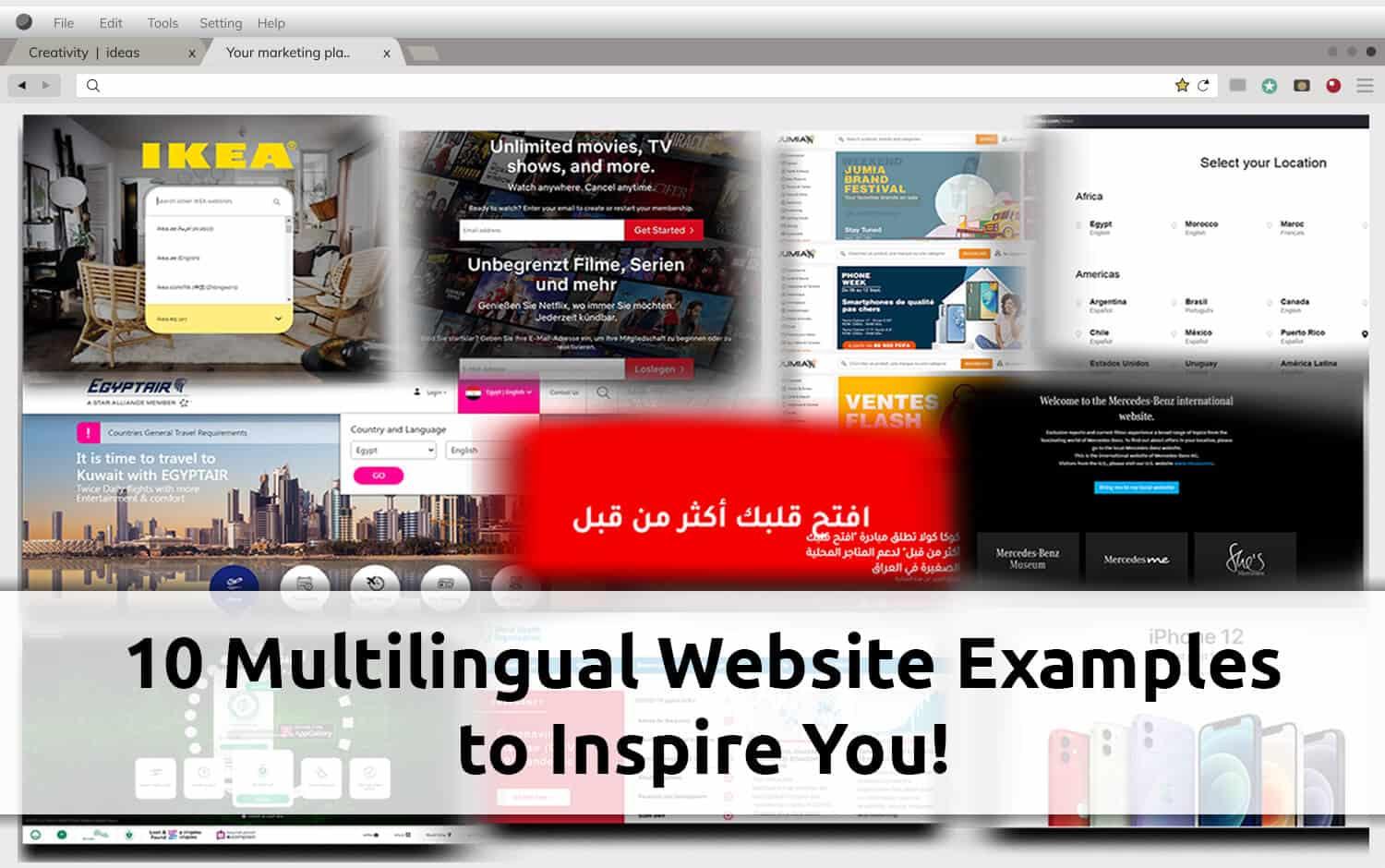
In our increasingly globalized world, the demand for multilingual websites has skyrocketed. Businesses, organizations, and individuals alike are recognizing the immense potential of reaching diverse audiences across different languages and cultures. However, launching a successful multilingual website goes beyond mere translation; it involves a strategic approach to hosting software that can seamlessly manage multiple languages while ensuring optimal performance and user experience. In this article, we will explore the essential components of mastering hosting software for multilingual websites, uncovering best practices, tools, and tips that will empower you to thrive in the digital landscape. Whether you’re a seasoned web developer or a business owner venturing into new markets, understanding how to effectively leverage hosting software can make all the difference in your multilingual website’s success. Join us as we delve into this critical aspect of website management and discover how to navigate the complexities of multilingual hosting with confidence and expertise.
Table of Contents
- Understanding the Importance of Hosting Software for Multilingual Websites
- Key Features to Look for in Multilingual Hosting Solutions
- Optimizing Performance and Speed for Global Audiences
- Best Practices for Managing Content in Multiple Languages
- Key Takeaways
Understanding the Importance of Hosting Software for Multilingual Websites
When building a multilingual website, the choice of hosting software is a critical factor that can significantly influence your site’s performance and reach. A robust hosting solution enhances the user experience by ensuring fast load times and minimizing downtime, which become even more essential when serving a diverse audience across various regions and languages. Key aspects to consider include:
- Server Location: Opt for hosting providers with servers close to your target audiences to reduce latency.
- Scalability: Choose a hosting service that can grow with your multilingual content needs, accommodating increasing traffic from different locales.
- Content Delivery Network (CDN): Implementing a CDN can distribute your content globally, ensuring consistent access for users, irrespective of their location.
Moreover, the best hosting software comes equipped with features that simplify content management for multiple languages. Look for options that support:
- Automatic Language Detection: This makes it easy to direct users to the correct language version of your site.
- Multi-language Support for CMS: Popular content management systems like WordPress offer plugins designed specifically for multilingual setups.
- Backup and Security: Ensure your hosting solution provides regular backups and strong security measures to protect your multilingual content.
| Feature | Importance |
|---|---|
| Fast Loading Speeds | Enhances user experience and SEO ranking |
| Server Location Options | Reduces latency for international users |
| Scalability | Accommodates growth of multilingual content |
Key Features to Look for in Multilingual Hosting Solutions
When exploring multilingual hosting solutions, it’s crucial to examine several important features that will enhance your website’s performance and user experience. A primary consideration should be support for multiple language scripts; your hosting provider should be equipped to handle various character sets, ensuring accurate display of content across different languages. Additionally, subdomain or subdirectory options are vital for organizing your multilingual content effectively, allowing for easier navigation and optimized search engine indexing. Other essential aspects include robust content delivery networks (CDNs) for faster global access and automatic backups to safeguard your data from unforeseen issues.
Moreover, your chosen hosting provider should offer comprehensive SEO support for multilingual sites, including tools that assist in optimizing metadata and language tags. Performance is key, so ensure that the service boasts high uptime guarantees and scalable resources that can handle traffic spikes, especially if your audience is expanding internationally. Lastly, look for 24/7 customer support that is knowledgeable about multilingual challenges, ensuring that help is always at hand when you encounter setup or operational issues.
Optimizing Performance and Speed for Global Audiences
When developing a multilingual website, ensuring optimal performance across different regions is crucial for user satisfaction and engagement. Content Delivery Networks (CDNs) can significantly reduce latency by caching content in multiple global locations. By strategically deploying your website’s resources, you can deliver faster load times to users no matter where they are located. Additionally, consider the following strategies:
- Image Optimization: Reduce file sizes without compromising quality to enhance loading speeds.
- Minification and Bundling: Streamline your CSS and JavaScript files to decrease the number of requests made by the browser.
- Lazy Loading: Implement lazy loading for images and videos to only load media as it appears on the user’s screen.
Another essential consideration is testing the website’s performance through different geolocations to identify bottlenecks. Tools like Pingdom or GTmetrix can help analyze speed metrics from various parts of the world. Furthermore, ensure your hosting provider supports multiple languages and has data centers distributed globally. Here’s a quick comparison of some popular hosting solutions based on their global performance:
| Hosting Provider | Global Reach | Average Speed |
|---|---|---|
| SiteGround | 5 continents | 250ms |
| Bluehost | North America, Europe | 300ms |
| A2 Hosting | Multiple locations | 230ms |
Best Practices for Managing Content in Multiple Languages
Managing content in multiple languages requires a strategic approach to ensure consistency and quality across all platforms. One effective practice is to implement a content management system (CMS) that supports multilingual capabilities. Popular CMS options, such as WordPress, offer plugins that facilitate the translation and localization process. You should also consider using a style guide that clearly outlines tone, terminology, and formatting guidelines to maintain a cohesive brand voice across languages. Additionally, engaging professional translators who understand cultural nuances can greatly enhance the effectiveness of your multilingual content.
Another important aspect is to organize your content systematically. Utilizing a language-based folder structure within your CMS can help streamline content management. For instance, you could structure your URLs as follows:
| Language | URL Structure |
|---|---|
| English | www.example.com/en/ |
| Spanish | www.example.com/es/ |
| French | www.example.com/fr/ |
| German | www.example.com/de/ |
This structure not only improves SEO but also enhances user experience by allowing visitors to navigate easily between language options. Furthermore, regular audits of your multilingual content can help identify outdated translations or inconsistencies, ensuring that your website remains relevant and informative for all users.
Key Takeaways
mastering hosting software is a crucial step in creating and maintaining successful multilingual websites. By selecting the right platform and optimizing it for your target audiences, you can ensure that your content is not only accessible but also engages users across different languages and cultures.
As we’ve explored, the effectiveness of your multilingual site hinges on thoughtful planning, robust hosting solutions, and continual adaptation to the needs of your audience. Leverage tools like content management systems, effective caching, and CDN services to enhance performance and user experience. Remember, the ultimate goal is to provide a seamless experience that feels native to visitors, regardless of their language preference.
Investing time in understanding and implementing the right hosting practices will pay off in building a strong online presence that resonates with a diverse audience. So, as you embark on your multilingual journey, keep these principles in mind and watch your website flourish on a global scale.
Thank you for reading! If you have any experiences or tips to share about your multilingual website endeavors, feel free to comment below—we’d love to hear from you!