
How VPNs Play a Key Role in Overcoming Internet Censorship
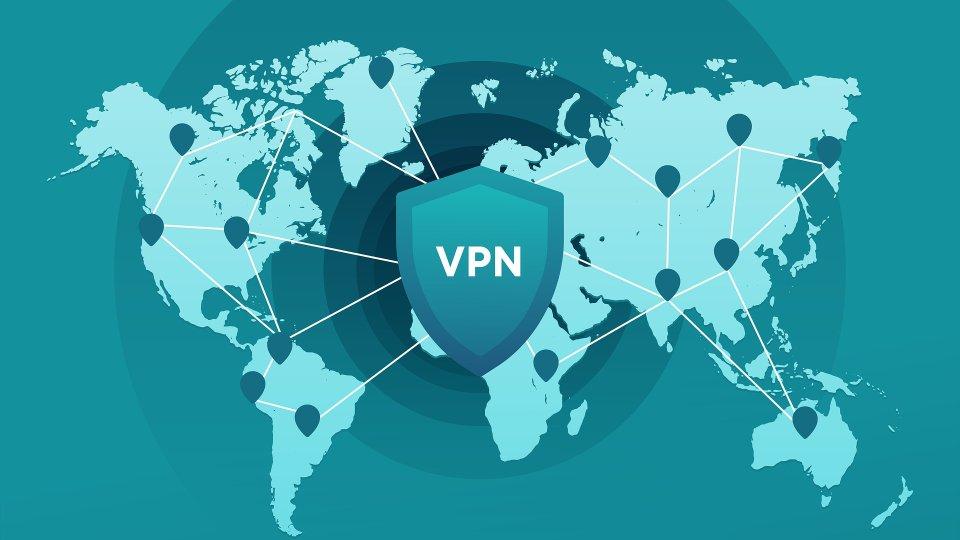
In our increasingly interconnected world, access to information should be a fundamental right for everyone, yet internet censorship remains a pressing issue in many regions. Governments and organizations often impose restrictions on online content, stifling free expression and limiting access to vital resources. In this challenging landscape, Virtual Private Networks (VPNs) have emerged as pivotal tools for individuals seeking to navigate around these barriers. With their ability to encrypt data, mask IP addresses, and route internet traffic through secure servers, VPNs empower users to bypass censorship and reclaim their online freedom. In this article, we’ll delve into the mechanisms by which VPNs operate, explore their significance in the fight against internet censorship, and provide practical insights on how to select the right VPN for your needs. Join us as we uncover the vital role these technologies play in promoting digital freedom and ensuring that the internet remains a platform for open communication and expression.
Table of Contents
- The Fundamentals of VPN Technology and Its Role in Bypassing Censorship
- Understanding Internet Censorship Methods and Their Impact on Free Expression
- Choosing the Right VPN: Key Features for Evasion of Censorship
- Best Practices for Utilizing VPNs Safely and Effectively in Restricted Regions
- The Way Forward
The Fundamentals of VPN Technology and Its Role in Bypassing Censorship
At its core, a Virtual Private Network (VPN) is a technology that creates a secure and encrypted connection over a less secure network, like the Internet. This secure tunnel ensures that data transmitted between the user’s device and the VPN server remains private and protected from prying eyes. To break down its essential components:
- Encryption: VPNs encrypt user data, making it nearly impossible for third parties to intercept or decipher.
- Anonymity: By masking the user’s IP address with that of the VPN server, users can browse the web anonymously.
- Geolocation Spoofing: VPNs allow users to appear as if they are accessing the Internet from different geographical locations, thereby bypassing regional restrictions.
This combination of features makes VPNs an essential tool for individuals seeking to bypass censorship imposed by governments or organizations. In countries with strict censorship laws, a VPN can help individuals access blocked websites, social media platforms, and various online services by redirecting their connection through servers located in unrestricted regions. Below is a comparison of different types of censorship and how a VPN can offer solutions:
| Type of Censorship | VPN Solution |
|---|---|
| Government Censorship | Bypass restrictions using global servers. |
| ISP Throttling | Encapsulation of data to prevent speed reduction. |
| Geo-Blocking | Access content available in specific regions. |
Understanding Internet Censorship Methods and Their Impact on Free Expression
Internet censorship can take various forms, each designed to restrict access to information, control public discourse, and limit individual freedoms. Some of the most common methods include:
- IP Blocking: Service providers may block access to specific websites deemed undesirable by authorities.
- Keyword Filtering: Content with certain keywords can be dynamically filtered out, preventing users from accessing critical information.
- Deep Packet Inspection: This method involves monitoring and analyzing data packets traveling over the network, identifying and blocking unwanted content.
These practices significantly impact free expression by creating an environment of fear and self-censorship. Individuals may refrain from accessing or sharing information that could lead to repercussions, effectively stifling open dialog and limiting access to diverse viewpoints. Here are some potential effects of censorship on society:
| Impact on Society | Description |
|---|---|
| Limited Knowledge | Access to diverse sources is hindered, leaving individuals uninformed. |
| Suppressed Innovation | Restrictions can stifle creativity and progress by curbing free exchange of ideas. |
| Increased Polarization | Lack of comprehensive information fosters echo chambers and divides society. |
Choosing the Right VPN: Key Features for Evasion of Censorship
When selecting a VPN to bypass censorship, consider the encryption protocols employed by the service. Strong encryption standards, like AES-256, ensure that your data remains private and secure, even from prying eyes. Additionally, a VPN should offer a variety of protocols, such as OpenVPN, IKEv2/IPSec, and WireGuard. This flexibility allows users to choose the best option based on their specific needs and the type of censorship faced. Moreover, look for obfuscation features that help disguise VPN traffic as regular internet traffic, making it more difficult for authorities to detect and block the service.
Another critical aspect is the VPN’s server network. A broad selection of servers in various countries is essential for effective evasion of censorship. More servers mean better options for users to bypass local restrictions. Furthermore, examine the logging policies of the VPN service; a strict no-logs policy is vital to ensure that your online activity remains anonymous. always check for compatibility across devices, ensuring that the VPN can be easily set up on smartphones, tablets, and computers, providing comprehensive protection regardless of the device you use.
Best Practices for Utilizing VPNs Safely and Effectively in Restricted Regions
To maximize the benefits of a VPN while navigating restricted regions, it’s crucial to implement a series of best practices. Choose a reputable VPN provider with strong encryption protocols and a strict no-logs policy. This will help safeguard your privacy and ensure your online activities remain confidential. Additionally, always keep your VPN software updated to benefit from the latest security features and avoid vulnerabilities that could be exploited. When configuring your VPN, consider enabling the kill switch feature which disconnects your internet automatically if the VPN connection drops, preventing your data from being exposed.
Furthermore, it’s advisable to periodically change your VPN server location to avoid detection and potential throttling by your internet service provider. When in use, avoid accessing sensitive accounts or conducting financial transactions unless absolutely necessary, as some services may flag unfamiliar IP addresses. Implementing these practices not only ensures a smoother browsing experience but also enhances your overall online security. Below is a quick
| Practice | Description |
|---|---|
| Choose Reputable VPN | Select one with strong encryption and no-logs policy. |
| Enable Kill Switch | Prevent data leaks by disconnecting the internet if VPN fails. |
| Change Server Locations | Avoid detection by regularly switching servers. |
| Avoid Sensitive Transactions | Limit access to secure accounts to reduce risks. |
.
The Way Forward
VPNs serve as a critical tool in the ongoing battle against internet censorship, enabling users to bypass restrictive barriers and access information freely. As digital landscapes evolve and attempts to control online expression become more sophisticated, the importance of secure and reliable VPN services cannot be overstated. By creating encrypted pathways through which data can travel, VPNs not only empower individuals to reclaim their online rights but also foster a more open and interconnected world.
As you consider your options for navigating the often murky waters of internet access, remember that a well-chosen VPN can enhance your online experience, safeguard your privacy, and grant you the freedom to explore the vast resources the internet has to offer. Stay informed, choose wisely, and advocate for the open internet that we all deserve. Thank you for joining us in this crucial conversation, and let’s continue to champion digital freedom together.