
Exploring Web Hosting: Shared, VPS, and Dedicated Solutions
In today’s digital age, building an online presence is essential for businesses, entrepreneurs, and creatives alike. Whether you’re launching a personal blog, an e-commerce site, or a portfolio, the foundation of your online journey lies in choosing the right web hosting solution. With a myriad of options available, understanding the differences between shared, VPS (Virtual Private Server), and dedicated hosting is crucial for ensuring that your website operates seamlessly and efficiently. In this article, we’ll delve into each of these hosting types, discussing their unique features, benefits, and ideal use cases. By the end, you’ll be equipped with the knowledge needed to make an informed decision that aligns with your specific needs and goals. Let’s embark on this exploration of web hosting and discover which solution will best support your online venture.
Table of Contents
- Understanding Shared Hosting: Benefits and Limitations for Beginners
- Diving Into VPS Hosting: The Ideal Balance Between Cost and Control
- The Power of Dedicated Hosting: When to Invest for Maximum Performance
- Comparative Insights: Choosing the Right Hosting Solution for Your Business Needs
- Wrapping Up
Understanding Shared Hosting: Benefits and Limitations for Beginners
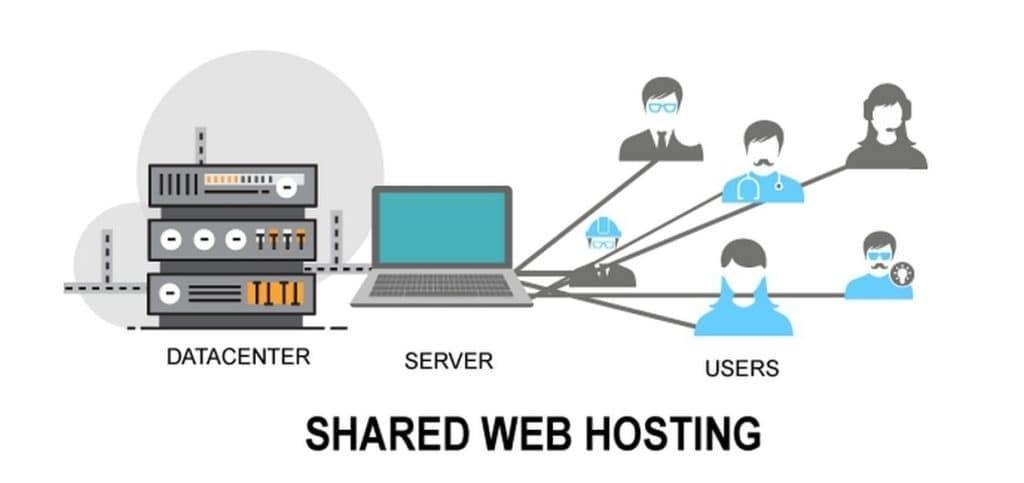
Shared hosting is an entry-level web hosting option that allows multiple websites to be hosted on a single server. This shared environment means that the server’s resources—such as CPU, memory, and bandwidth—are distributed among all the websites it supports. For beginners, this is an attractive option due to its affordability and ease of management. Many shared hosting providers offer user-friendly control panels, making it simple to set up a website without requiring in-depth technical expertise. Some key advantages of shared hosting include:
- Cost-effective solutions: Typically, the most budget-friendly option for new website owners.
- Minimal maintenance: The hosting provider handles server management, allowing users to focus on building their sites.
- Scalability: Many providers offer upgrade paths to VPS or dedicated servers as your website grows.
However, shared hosting also has limitations that beginners should consider. Since resources are shared among multiple users, a spike in traffic on one site can potentially affect the performance of others. Additionally, you have less control over server configurations and custom software installations, which can restrict advanced users looking for full customization. Some notable limitations include:
- Resource restrictions: Bandwidth and storage limits may hinder larger sites.
- Performance variability: Other sites’ activities on the server can lead to slower load times.
- Security risks: A compromised site on the same server can put your site at risk.
Diving Into VPS Hosting: The Ideal Balance Between Cost and Control
Virtual Private Server (VPS) hosting strikes an exceptional balance between cost and control, making it a popular choice for businesses that require more than just basic shared hosting. With VPS, you gain dedicated resources, which means your website can handle increased traffic without the risk of slowdowns or crashes that often plague shared environments. Users appreciate the flexibility of being able to install custom software, configure security settings, and optimize performance according to their specific needs. In contrast to shared hosting, where multiple users compete for resources, a VPS offers a partitioned system where you can enjoy a more stable environment tailored to your unique requirements.
Additionally, VPS hosting provides a valuable opportunity for scalability as your business grows. You can easily adjust your resources—such as CPU, RAM, or storage—without the hassle of migrating to a new server. This responsiveness is framed by cost-effectiveness, allowing businesses to pay only for what they use while avoiding the hefty expenses of dedicated servers. Here’s a quick comparison of the primary features that distinguish VPS from other hosting options:
| Feature | Shared Hosting | VPS Hosting | Dedicated Hosting |
|---|---|---|---|
| Resource Allocation | Shared | Dedicated Partition | 100% Dedicated |
| Customization | Limited | Extensive | Full Control |
| Scalability | Low | Medium-High | High |
| Cost | Low | Medium | High |
The Power of Dedicated Hosting: When to Invest for Maximum Performance
Investing in dedicated hosting can be a game-changer for businesses that require maximum performance and reliability. Unlike shared or VPS hosting, a dedicated server provides exclusive access to all server resources, ensuring optimal speeds, enhanced security, and improved performance for high-traffic websites. This is particularly beneficial for enterprises that handle large volumes of data, run resource-intensive applications, or operate e-commerce platforms where uptime is critical. By utilizing a dedicated server, businesses can enjoy greater control over their hosting environment, customizing configurations and software to suit their specific needs, thus facilitating scalable growth.
Determining when to make the leap to dedicated hosting is equally important. Here are some key indicators suggesting it might be the right time to invest:
- Increased Traffic: If your website experiences a surge in visitors that your current hosting cannot handle efficiently.
- Performance Issues: Consistent slow loading times or downtime that affects user experience and conversion rates.
- Data Security Needs: Enhanced security required for sensitive customer data, particularly in regulated industries.
- Customization Requirements: If your applications require specific software installations not supported by shared or VPS options.
choosing dedicated hosting is a strategic decision that can significantly impact your online presence. Weighing these factors carefully will help you determine if this powerful solution aligns with your business goals and future growth plans.
Comparative Insights: Choosing the Right Hosting Solution for Your Business Needs
When it comes to selecting the ideal hosting solution, understanding the specific requirements of your business is paramount. Shared hosting is typically the most cost-effective option, making it suitable for startups or small websites with low traffic. However, it comes with shared resources, potentially leading to performance issues during peak times. On the other hand, VPS (Virtual Private Server) hosting offers a balance between cost and performance. It allows for greater control and flexibility, as resources are allocated specifically to your site, benefiting medium-sized businesses that anticipate growth without needing the full power of a dedicated server.
For established enterprises or websites experiencing heavy traffic, dedicated hosting is often the best choice. It provides an entire server for your business, resulting in superior performance and security. Moreover, dedicated hosting offers the freedom to configure the server according to your specific needs, allowing for optimal customization. Here’s a quick comparison of the three options:
| Hosting Type | Best For | Cost | Control | Performance |
|---|---|---|---|---|
| Shared Hosting | Small businesses, blogs | Low | Limited | Basic |
| VPS Hosting | Growing businesses | Moderate | High | Good |
| Dedicated Hosting | Large enterprises | High | Full | Excellent |
Wrapping Up
choosing the right web hosting solution is a critical decision for anyone looking to establish a strong online presence. Each option—shared, VPS, and dedicated hosting—comes with its unique set of advantages and considerations suited to different needs and budgets.
Shared hosting offers an affordable entry point for beginners and small projects, while VPS hosting strikes a balance between cost and resource control, making it ideal for growing websites. On the other hand, dedicated hosting stands out for large-scale operations that require maximum performance and security.
Ultimately, your choice should reflect your website’s current demands and future growth potential. As you weigh your options, consider not just the technical specifications, but also the level of support and scalability each provider offers. By taking the time to understand your hosting needs, you can ensure a smoother (and more successful) journey on the web.
We hope this exploration has illuminated the differences and helped you feel more equipped to make an informed decision. Happy hosting, and may your online endeavors thrive!