
Exploring Virtualization’s Impact on VPS Hosting Solutions
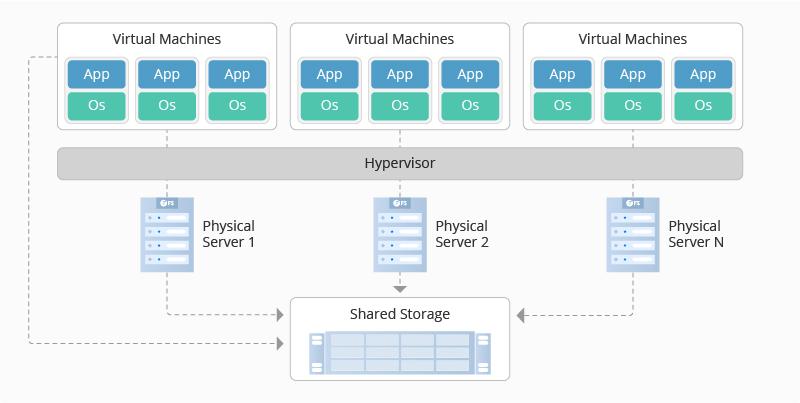
In today’s rapidly evolving digital landscape, businesses and individuals alike are increasingly reliant on robust hosting solutions to support their online endeavors. Among the myriad of options available, Virtual Private Servers (VPS) have emerged as a favored choice, seamlessly blending the benefits of shared and dedicated hosting. However, the backbone of this technology lies in virtualization—an innovative approach that has transformed the way server resources are allocated, managed, and optimized. In this article, we will delve into the intricacies of virtualization and examine its profound impact on VPS hosting solutions. From enhancing scalability and performance to improving security and cost efficiency, we will explore how virtualization is redefining the hosting experience and empowering users to harness the full potential of their online presence. Join us as we navigate this pivotal advancement and uncover the implications it holds for the future of web hosting.
Table of Contents
- Understanding Virtualization Technologies and Their Role in VPS Hosting
- Benefits of VPS Hosting Enhanced by Virtualization Techniques
- Choosing the Right Virtualization Solutions for Your VPS Needs
- Best Practices for Optimizing VPS Performance Through Virtualization
- Key Takeaways
Understanding Virtualization Technologies and Their Role in VPS Hosting
Virtualization technologies play a vital role in the evolution of VPS hosting, fundamentally transforming how resources are allocated and managed in the digital landscape. By allowing multiple virtual servers to operate on a single physical server, virtualization maximizes efficiency and reduces costs. This technology enables users to run customized operating systems and applications in isolated environments, ensuring that each virtual private server is independent. Some key advantages include:
- Resource Allocation: Dynamic distribution of CPU, memory, and storage enhances performance.
- Scalability: Easy upgrading allows businesses to adapt quickly to changing demands.
- Isolation: Increased security and reliability since each VPS runs independently.
The most common virtualization technologies, such as KVM (Kernel-based Virtual Machine), Xen, and VMware, offer unique benefits tailored to different scenarios. KVM allows Linux kernels to act as hypervisors, providing performance that is close to bare metal. In contrast, VMware is known for its robust enterprise-level features that include advanced management tools and extensive support. Below is a concise comparison of these technologies:
| Virtualization Technology | Key Features | Best Suited For |
|---|---|---|
| KVM | Open-source, high-performance, lightweight | Linux-based environments |
| Xen | Paravirtualization, strong isolation | Variety of operating systems |
| VMware | Enterprise features, robust management | Large businesses, complex setups |
Benefits of VPS Hosting Enhanced by Virtualization Techniques
One of the standout advantages of VPS hosting lies in its ability to leverage advanced virtualization techniques, delivering unparalleled resource management and efficiency. By compartmentalizing server resources into separate virtual environments, businesses can experience greater flexibility in scaling their resources as needed. This means that during peak traffic times, users can allocate additional CPU, memory, or bandwidth without any hassle. Additionally, the isolated nature of VPS instances ensures that performance is not affected by neighboring environments, providing a stable and reliable hosting solution.
Moreover, the use of virtualization adds a layer of enhanced security that shared hosting simply cannot offer. Each VPS is separated from one another, which significantly mitigates the risks associated with vulnerabilities in other user environments. Organizations also gain more control over their server, allowing for custom configurations and the installation of specific software tailored to their unique requirements. The overall result is a hosting solution that not only offers improved performance but also contributes to long-term cost savings through optimized resource utilization.
Choosing the Right Virtualization Solutions for Your VPS Needs
When selecting a virtualization solution for your VPS needs, several factors come into play that can significantly influence your performance and resource management. First and foremost, consider the hypervisor type: there are two primary kinds, Type 1 (bare-metal) and Type 2 (hosted). Type 1 hypervisors, such as VMware ESXi and Microsoft Hyper-V, offer better performance and efficiency since they run directly on the hardware. In contrast, Type 2 hypervisors, like Oracle VirtualBox, run on top of an operating system, which may introduce additional resource overhead. Making the right choice can lead to enhanced management capabilities and reduced latency in operations.
Additionally, assess the features and scalability offered by different virtualization solutions. Look for options that provide robust resource allocation, seamless backup and recovery options, and a user-friendly management interface. Here’s a quick overview of popular virtualization solutions based on these factors:
| Solution | Type | Key Features |
|---|---|---|
| VMware ESXi | Type 1 | High Performance, Robust Security, Virtual Network Management |
| Microsoft Hyper-V | Type 1 | Integration with Windows, Live Migration, Scalability |
| Oracle VirtualBox | Type 2 | Cross-Platform Support, Free and Open Source |
| KVM | Type 1 | Open Source, Great Performance and Scalability |
Take the time to evaluate how these solutions align with your projected workload and growth. Identify your primary use cases—be it web hosting, application development, or resource-intensive tasks—which will help narrow down your choices. The right virtualization solution will not only meet your current demands but will also be adaptable, ready to evolve with your business as it grows.
Best Practices for Optimizing VPS Performance Through Virtualization
To achieve optimal performance in your VPS hosting environment, it’s essential to carefully consider the virtualization infrastructure and management techniques in place. One of the best practices is to choose the right hypervisor, as this can significantly impact the efficiency of resource allocation. Popular options like KVM, VMware, and Xen offer various features that cater to different needs. Additionally, regularly monitoring resource usage ensures that you’re aware of any performance bottlenecks, enabling you to adjust resources accordingly. Effective load balancing and resource distribution not only help in managing traffic spikes but can also enhance responsiveness and stability across your virtual servers.
Furthermore, optimizing your VPS’s performance involves regularly tuning your virtual machines (VMs). Conducting routine maintenance, such as defragmenting virtual disks and updating software, can prevent unnecessary slowdowns. Enabling SSD storage for your VMs can also dramatically increase read and write speeds, leading to better overall performance. Below is a concise table demonstrating the impact of SSD versus HDD on VPS performance:
| Storage Type | Read Speed | Write Speed | Latency |
|---|---|---|---|
| SSD | 500 MB/s | 450 MB/s | 0.1 ms |
| HDD | 150 MB/s | 120 MB/s | 4.5 ms |
Key Takeaways
As we conclude our exploration of virtualization’s transformative role in VPS hosting solutions, it’s clear that this technology has not only reshaped the landscape of web hosting but has also empowered businesses of all sizes to harness the power of the cloud effectively. By offering flexibility, scalability, and cost-efficiency, virtualization serves as the backbone of modern VPS hosting, ensuring that organizations can adapt to changing demands with ease.
Whether you are a startup looking for an entry point into the digital realm or an established enterprise seeking to optimize your infrastructure, understanding the nuances of virtualization is essential. As the industry continues to evolve, staying informed about advancements and best practices will enable you to make informed decisions that align with your goals.
We invite you to delve deeper into the world of virtualization and VPS hosting by exploring the tools, services, and innovations that can propel your business forward. Thank you for joining us on this journey, and we look forward to guiding you through more topics that will enhance your understanding of the ever-evolving digital landscape. Happy hosting!