
Exploring the Future of Hosting Software: Key Trends & Innovations
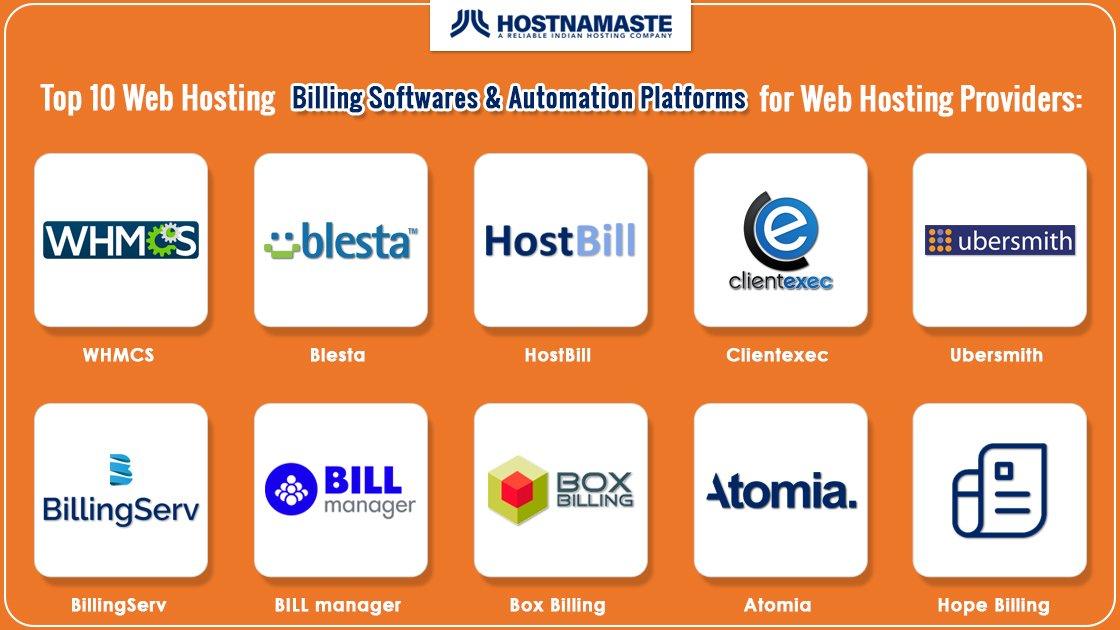
In an era where digital landscapes are constantly evolving, the hosting software industry finds itself at the forefront of transformative technological advancements. As businesses increasingly shift to cloud-based solutions and demand for robust, scalable, and secure hosting options grows, the landscape of hosting software is undergoing a significant metamorphosis. In this article, we will delve into the key trends and innovations shaping the future of hosting software. From the rise of artificial intelligence and automation to the emphasis on enhanced security protocols and sustainability, understanding these developments is crucial for businesses striving to stay competitive in an ever-changing digital world. Join us as we explore how these trends are not only redefining hosting capabilities but also paving the way for a more efficient and adaptive future for organizations across various industries.
Table of Contents
- The Rise of Cloud-Native Hosting Solutions
- Enhancing Security Protocols in a Digital Landscape
- Leveraging Artificial Intelligence for Optimal Performance
- Sustainable Hosting Practices Shaping the Industry Future
- In Conclusion
The Rise of Cloud-Native Hosting Solutions
The digital landscape is evolving rapidly, and at the forefront of this evolution is the increasing adoption of cloud-native hosting solutions. These platforms offer unparalleled scalability, flexibility, and performance, enabling businesses to respond swiftly to market demands. Organizations are increasingly recognizing the value of containerization and microservices architecture, which allow for seamless deployment and management of applications across distributed environments. As a result, we are witnessing a trend where businesses are migrating from traditional hosting to cloud-native options, enjoying benefits such as reduced operational costs and improved resource utilization.
Key players in the hosting industry are continuously innovating to provide enhanced services tailored to the needs of modern developers and enterprises. Features like auto-scaling, multicloud support, and integrated DevOps tools are becoming standard offerings, allowing businesses to optimize their workflows. Below is a comparison of common features in traditional versus cloud-native hosting solutions:
| Feature | Traditional Hosting | Cloud-Native Hosting |
|---|---|---|
| Scalability | Limited | Dynamic |
| Infrastructure Management | Manual | Automated |
| Resource Allocation | Fixed | On-Demand |
| DevOps Integration | Minimal | Comprehensive |
Enhancing Security Protocols in a Digital Landscape
In the rapidly evolving world of digital hosting, safeguarding sensitive information is of paramount importance. Businesses must adopt robust security measures to create a resilient online infrastructure. Some trends driving this initiative include:
- Zero Trust Architecture: This model requires all users, both inside and outside the organization, to be authenticated and authorized before accessing any resources.
- Enhanced Encryption Methods: Implementing advanced encryption protocols can protect data at rest and in transit, ensuring that unauthorized access to sensitive information is mitigated.
- Multi-Factor Authentication (MFA): Utilizing MFA adds an additional layer of security by requiring multiple forms of verification from users.
Moreover, the rise of artificial intelligence and machine learning is influencing security frameworks significantly. These technologies enable real-time threat detection and incident response, fostering proactive rather than reactive security measures. Consider the following benefits:
| Benefit | Description |
|---|---|
| Predictive Analytics | Identifies potential vulnerabilities before they can be exploited. |
| Automated Response | Quickly neutralizes threats, reducing downtime and data loss. |
| Behavioral Analysis | Monitors user behavior to detect anomalies indicative of breaches. |
Leveraging Artificial Intelligence for Optimal Performance
In recent years, artificial intelligence has emerged as a game-changer in the realm of hosting software, driving performance enhancements and operational efficiencies. By harnessing the power of AI, businesses can streamline processes, make data-driven decisions, and enhance user experiences. Key applications include:
- Predictive Analytics: Utilizing AI to analyze user behavior and forecast traffic patterns ensures resources are allocated effectively, leading to optimal server performance.
- Automated Scaling: AI algorithms can automatically adjust resources based on real-time demand, preventing downtime and maintaining a seamless user experience.
- Enhanced Security: Machine learning models can detect anomalies and potential threats, providing advanced protection against cyberattacks.
Moreover, the integration of AI chatbots and virtual assistants enhances customer support, drastically reducing response times and improving customer satisfaction. The adoption of AI tools allows companies to address common issues proactively, ensuring smoother operations and user engagement. Consider the following advantages:
| Advantage | Description |
|---|---|
| Cost Efficiency | Reduces operational costs by automating routine tasks. |
| Data Insights | Generates valuable insights through processing vast amounts of data. |
| Improved Uptime | AI predicts and prevents potential failures, ensuring high availability. |
Sustainable Hosting Practices Shaping the Industry Future
As the digital landscape evolves, hosting services are increasingly integrating sustainable practices into their operations. With growing awareness around climate change and environmental responsibility, companies are adopting various measures to minimize their carbon footprint. Some of the key initiatives include:
- Utilizing renewable energy sources like solar and wind power to fuel data centers.
- Implementing energy-efficient hardware and cooling technologies to reduce energy consumption.
- Promoting green certifications and transparent sustainability reporting to build trust with eco-conscious clients.
Furthermore, innovations in software are paving the way for smarter resource management, allowing hosting providers to optimize their performance while adhering to eco-friendly practices. For instance, technologies such as containerization and virtualization enable more efficient use of resources. By consolidating workloads on fewer physical servers, companies can enhance productivity while simultaneously reducing environmental impact. Here’s a quick look at some transformative technologies in sustainable hosting:
| Technology | Benefit |
|---|---|
| Server Virtualization | Improves resource utilization |
| Energy-Efficient Data Centers | Reduces energy consumption |
| Smart Cooling Systems | Enhances cooling efficiency |
In Conclusion
As we navigate the rapidly evolving landscape of hosting software, it’s clear that innovation is at the forefront of its future. The trends we’ve explored—such as cloud-native architectures, enhanced security protocols, and the shift towards AI-driven automation—are not just fleeting advancements; they represent the foundational shifts that will define the hosting industry in the coming years.
Embracing these changes is essential for businesses of all sizes, as they seek to remain competitive in a digital world that demands agility and efficiency. By staying informed and adaptable, enterprises can leverage these innovations to enhance their operational capabilities and improve customer experiences.
As we look forward, it’s important to remain proactive in our approach to adopting new technologies. Whether you’re a developer, an IT manager, or a decision-maker, understanding these key trends will empower you to make informed choices that will not only benefit your organization but also shape the future of hosting itself.
Thank you for joining us on this journey through the key trends and innovations in hosting software. We encourage you to stay curious and engaged with these developments, as they will undoubtedly influence the way we connect, collaborate, and thrive in our increasingly digital lives.