
Evaluating Shared Hosting: Is It the Right Choice for You?
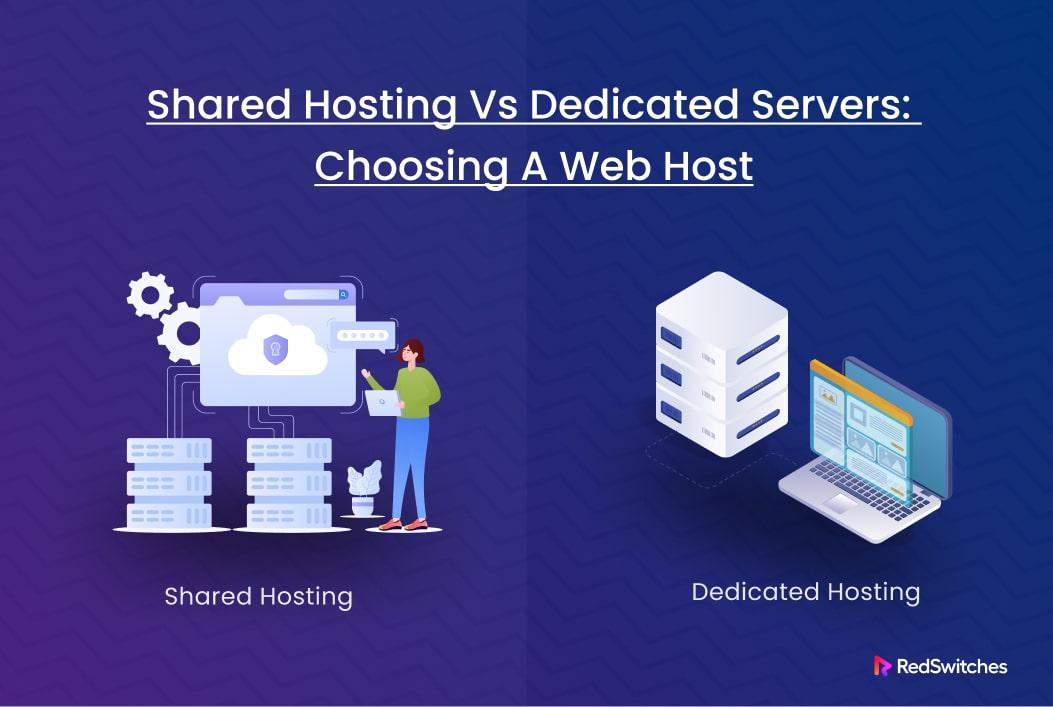
In the vast landscape of web hosting options, choosing the right solution for your website can feel daunting. With myriad choices ranging from shared hosting to dedicated servers, each comes with its own set of advantages and drawbacks. Among these, shared hosting remains a popular entry point for many individuals and small businesses. But is it the right fit for your online presence? In this article, we’ll delve into the essentials of shared hosting, weighing its benefits against potential limitations. Whether you’re launching your first blog, setting up an online portfolio, or starting an e-commerce site, understanding whether shared hosting aligns with your needs is crucial. Join us as we explore the key factors to consider, helping you make an informed decision that sets your website on the path to success.
Table of Contents
- Understanding Shared Hosting Basics and How It Works
- Key Advantages of Choosing Shared Hosting for Your Website
- Common Limitations of Shared Hosting You Should Consider
- Making the Decision: Is Shared Hosting the Right Fit for Your Needs?
- Future Outlook
Understanding Shared Hosting Basics and How It Works
Shared hosting is one of the most popular web hosting options available, particularly for individuals and small businesses. This hosting type allows multiple websites to reside on a single server, sharing its resources such as bandwidth, storage, and processing power. Because of this shared environment, the cost of hosting is significantly lower compared to dedicated servers. However, it’s essential to consider the potential limitations that come with sharing resources. For instance, if one website experiences a surge in traffic or uses an excessive amount of server resources, it can impact the performance of other sites on the same server.
Choosing shared hosting typically involves weighing the benefits against its constraints. Here are some important aspects to consider:
- Cost-Effectiveness: Shared hosting plans are generally more affordable, making them suitable for startups and budget-conscious users.
- Ease of Use: Most shared hosting services come with user-friendly control panels and one-click installations for common applications.
- Technical Support: Many providers offer 24/7 support, which can be a lifesaver for less tech-savvy users.
- Scalability: While shared hosting can support growth up to a point, you may need to upgrade to a VPS or dedicated server as your website expands.
It’s also wise to examine the features and limitations of various shared hosting providers. Here’s a quick comparison of some common offerings:
| Hosting Provider | Storage | Bandwidth | Price |
|---|---|---|---|
| Provider A | 10 GB | Unlimited | $2.99/month |
| Provider B | 20 GB | 100 GB | $3.99/month |
| Provider C | 15 GB | Unlimited | $2.49/month |
Key Advantages of Choosing Shared Hosting for Your Website
When considering web hosting options, shared hosting stands out due to its affordability and ease of use. For individuals and small businesses, the low cost of shared hosting makes it a budget-friendly choice without compromising essential features. This option allows you to host multiple websites on a single server, spreading out expenses and making it ideal for startups and hobbyists. Additionally, the user-friendly control panels offered by most shared hosting providers simplify the process of managing your website, even for those with limited technical skills.
Another significant advantage is the built-in support and resources provided by hosting companies. Most providers offer 24/7 customer support that can assist with troubleshooting, ensuring your website runs smoothly without requiring extensive technical knowledge. Moreover, shared hosting often includes a range of features such as pre-installed content management systems (CMS), automatic backups, and one-click installations for additional plugins—allowing you to focus on creating content rather than dealing with the complexities of web management.
Common Limitations of Shared Hosting You Should Consider
While shared hosting can be an attractive option for individuals and small businesses due to its affordability, it does come with a range of limitations that can impact performance and user experience. One of the primary drawbacks is resource allocation. Since multiple websites share the same server resources, heavy traffic on one site can lead to performance degradation for others. This means that during peak times, your website might load slowly or become unresponsive, which can deter visitors and affect search engine rankings.
Another significant limitation lies in customization and control. With shared hosting, users typically have restricted access to server configurations and settings. This can hinder your ability to install specific software or customize your environment to suit unique needs. Additionally, security can be a concern; since you are sharing a server with other users, vulnerabilities that affect one site can potentially compromise others. It’s important to weigh these factors against your requirements before committing to a shared hosting plan.
Making the Decision: Is Shared Hosting the Right Fit for Your Needs?
When contemplating whether shared hosting is the appropriate choice, it’s vital to consider your specific needs. For individuals and small businesses, shared hosting can offer an economical way to establish an online presence. Key factors to weigh include:
- Budget: Shared hosting is typically the most affordable option, with plans often starting at just a few dollars a month.
- Traffic Expectations: If you anticipate moderate levels of traffic, shared hosting can suffice. However, for high-traffic sites, you may need to explore other options.
- Technical Expertise: Shared hosting is generally user-friendly, making it ideal for users with little technical knowledge.
Another consideration is the level of support and features offered by your chosen provider. Many shared hosting plans come with built-in tools to facilitate website creation and management, such as:
| Feature | Details |
|---|---|
| Control Panel | User-friendly interfaces like cPanel simplify website management tasks. |
| Customer Support | Access to 24/7 support can be crucial for troubleshooting issues. |
| Scalability | Many hosts offer easy upgrades to higher-tier plans as your site’s needs grow. |
Future Outlook
the decision to choose shared hosting is one that requires careful consideration of your specific needs, goals, and budget. While it can offer an economical and user-friendly entry point for individuals and small businesses, it’s essential to weigh the potential limitations against your long-term objectives. If you value affordability and simplicity and your website’s demands are modest, shared hosting might be the perfect fit. However, for those with growing traffic or specialized requirements, exploring more robust hosting solutions could be a wiser investment in the future.
As you navigate the myriad of hosting options available, remember that the right choice ultimately comes down to understanding what your site truly needs. Take the time to evaluate your requirements, assess various providers, and read reviews to ensure you’re making an informed decision. Whether you choose shared hosting or opt for a more advanced solution, ensuring that your website is hosted on a reliable platform is critical to achieving your online goals.
Thank you for joining us in this exploration of shared hosting. We hope this guide has helped clarify your options and empowered you to make the best decision for your online presence. Happy hosting!