
Enhancing Security: The Role of Hosting Software in Data Encryption
In an era where data breaches and cyber threats are increasingly prevalent, safeguarding sensitive information has become a top priority for businesses and individuals alike. As we navigate the complexities of digital security, one critical component that often goes overlooked is the underlying hosting software that powers our websites and applications. This article delves into the pivotal role that hosting software plays in enhancing security through data encryption. We will explore how robust hosting solutions not only protect data in transit but also uphold the integrity and confidentiality of stored information. By understanding the intricacies of encryption technologies embedded within hosting platforms, you can make informed decisions to fortify your digital assets against emerging threats and ensure compliance with industry regulations. Join us as we unpack the essential strategies for leveraging hosting software to create a secure digital environment, safeguarding what matters most in our increasingly interconnected world.
Table of Contents
- Understanding Data Encryption in Hosting Software
- Key Features to Look for in Secure Hosting Solutions
- Best Practices for Implementing Data Encryption
- Future Trends in Hosting Software and Data Security
- To Wrap It Up
Understanding Data Encryption in Hosting Software
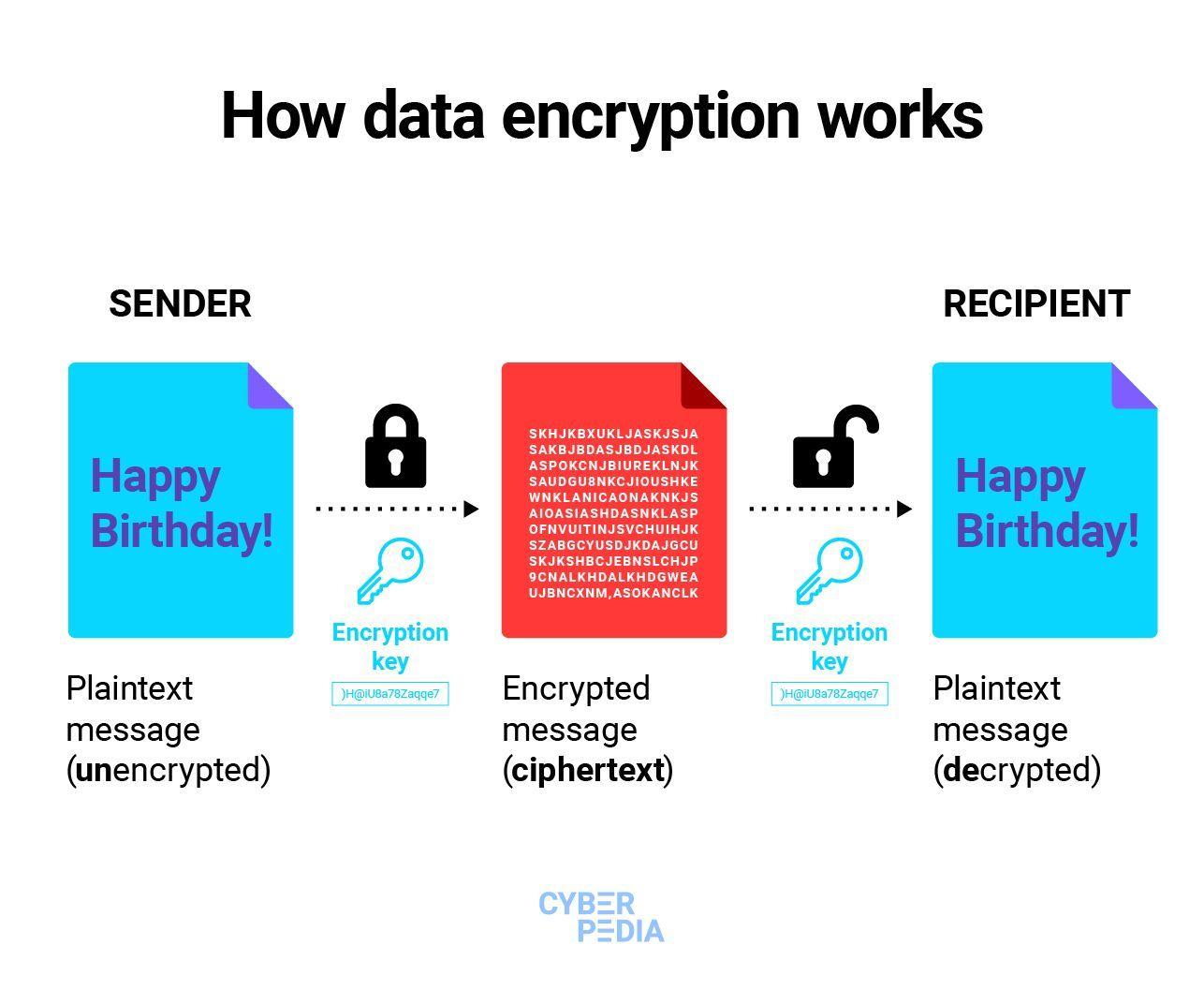
Data encryption is a critical element in the realm of hosting software, ensuring that sensitive information remains safeguarded against unauthorized access. By employing robust encryption protocols, hosting solutions can protect data both at rest and in transit. This dual-layer approach to security helps to mitigate several potential threats, including:
- Data Breaches: Prevents unauthorized entities from accessing sensitive information.
- Compliance Violations: Helps organizations adhere to industry regulations such as GDPR and HIPAA.
- Data Integrity Issues: Ensures that data remains unaltered during transfer and storage.
Different types of encryption techniques are utilized within hosting software, each serving a distinct purpose. Symmetric-key encryption is often favored for its speed and efficiency, while asymmetric-key encryption is employed for secure key exchange. To provide a clearer overview, consider the following table that illustrates major encryption methods utilized in hosting environments:
| Encryption Method | Description | Use Case |
|---|---|---|
| Symmetric-key | Uses the same key for encryption and decryption. | Data at rest |
| Asymmetric-key | Uses a pair of keys – a public and a private key. | Key exchange over insecure channels |
| Hash Functions | Transforms data into a fixed-size string, making it unreadable. | Storing passwords securely |
Key Features to Look for in Secure Hosting Solutions
When evaluating secure hosting solutions, it’s essential to focus on several core features that enhance data protection and maintain regulatory compliance. SSL Certificates are a must-have, as they encrypt data transmitted between the user and the server, ensuring confidentiality. Additionally, look for DDoS Protection, which safeguards your site from distributed denial-of-service attacks that can cripple your online presence. Furthermore, consider hosting services that offer automated backups; in case of a breach or data loss, this feature allows for quick recovery and minimizes downtime.
Another critical aspect is firewall protection, which acts as a barrier between your internal network and potential attackers. Robust hosting platforms will also provide regular security audits to identify vulnerabilities and mitigate risks before they can be exploited. Moreover, ensure that the hosting provider complies with privacy regulations such as GDPR or HIPAA, which dictate how sensitive data should be handled. Below is a summary of key security features to consider:
| Feature | Description |
|---|---|
| SSL Certificates | Encrypts data transmission for secure communication. |
| DDoS Protection | Presents defense against large-scale cyber attacks. |
| Automated Backups | Ensures data recovery options are readily available. |
| Firewall Protection | Blocks unauthorized access to the server. |
| Security Audits | Regular checks to find and fix vulnerabilities. |
| Privacy Compliance | Adheres to legal standards for data protection. |
Best Practices for Implementing Data Encryption
When implementing data encryption, it’s essential to follow best practices to ensure that sensitive information remains protected. First and foremost, choose strong encryption algorithms. Options like AES (Advanced Encryption Standard) with 256-bit keys are widely recognized for their robustness. Additionally, regularly update encryption keys and rotate them as part of a comprehensive key management strategy. This practice minimizes the risk of unauthorized access and ensures that even if a key is compromised, the damage can be mitigated quickly.
Furthermore, it’s crucial to encrypt data both at rest and in transit. Data at rest includes information stored on servers, databases, and cloud storages, while data in transit refers to information being transmitted over networks. Utilizing protocols such as TLS (Transport Layer Security) can help safeguard data during transfer. Implementing access controls adds another layer of protection. By restricting access to encrypted data based on user roles, organizations can ensure that only authorized personnel can decrypt sensitive information. Lastly, consider conducting regular security audits to evaluate the effectiveness of your encryption practices and stay ahead of potential vulnerabilities.
Future Trends in Hosting Software and Data Security
As we look toward the future, emerging trends in hosting software are set to redefine how organizations approach data security. The rise of cloud-native architectures and containerization is transforming traditional hosting methods. These technologies provide scalability and flexibility, allowing businesses to quickly adapt to evolving security requirements. Moreover, integration with artificial intelligence (AI) is becoming increasingly vital in identifying and mitigating potential threats. AI-driven solutions can analyze vast amounts of data in real-time, enhancing threat detection capabilities and ensuring that sensitive information remains protected from breaches and cyber-attacks.
Additionally, the focus on zero trust security models is gaining momentum among hosting providers. This approach inherently assumes that threats could exist both inside and outside the network, requiring strict access controls and continuous verification. Key developments include:
- Data Encryption: Advanced encryption methods, such as end-to-end encryption and homomorphic encryption, are becoming standard. These methods ensure that data is protected at rest, in transit, and in use.
- Decentralized Hosting: Leveraging blockchain technology, decentralized platforms provide an added layer of security, where data is distributed across numerous nodes, making unauthorized access extremely difficult.
- Automated Compliance Monitoring: Hosting software is now embedding compliance frameworks that ensure data handling practices are aligned with regulatory requirements, reducing the risk of non-compliance penalties.
To Wrap It Up
as the digital landscape continues to evolve, enhancing security remains a paramount concern for businesses and individuals alike. The role of hosting software in data encryption is critical; it not only safeguards sensitive information from prying eyes but also fosters trust and confidence among users. By implementing robust encryption protocols, organizations can ensure that their data remains secure both in transit and at rest, effectively mitigating the risks associated with cyber threats.
Investing in the right hosting solutions, coupled with proactive security measures, will not only protect your data but also position your business as a leader in security best practices. As we navigate an increasingly complex digital world, the importance of data protection will only grow, making it essential to stay informed about the latest developments in hosting software and encryption technologies.
Remember, a secure foundation built on reliable hosting and strong encryption can give your organization the peace of mind needed to focus on growth and innovation without compromising on security. Thank you for joining us in exploring the vital intersection of hosting software and data encryption. Stay vigilant and secure!