
Enhancing Security: How Hosting Software Facilitates Data Encryption
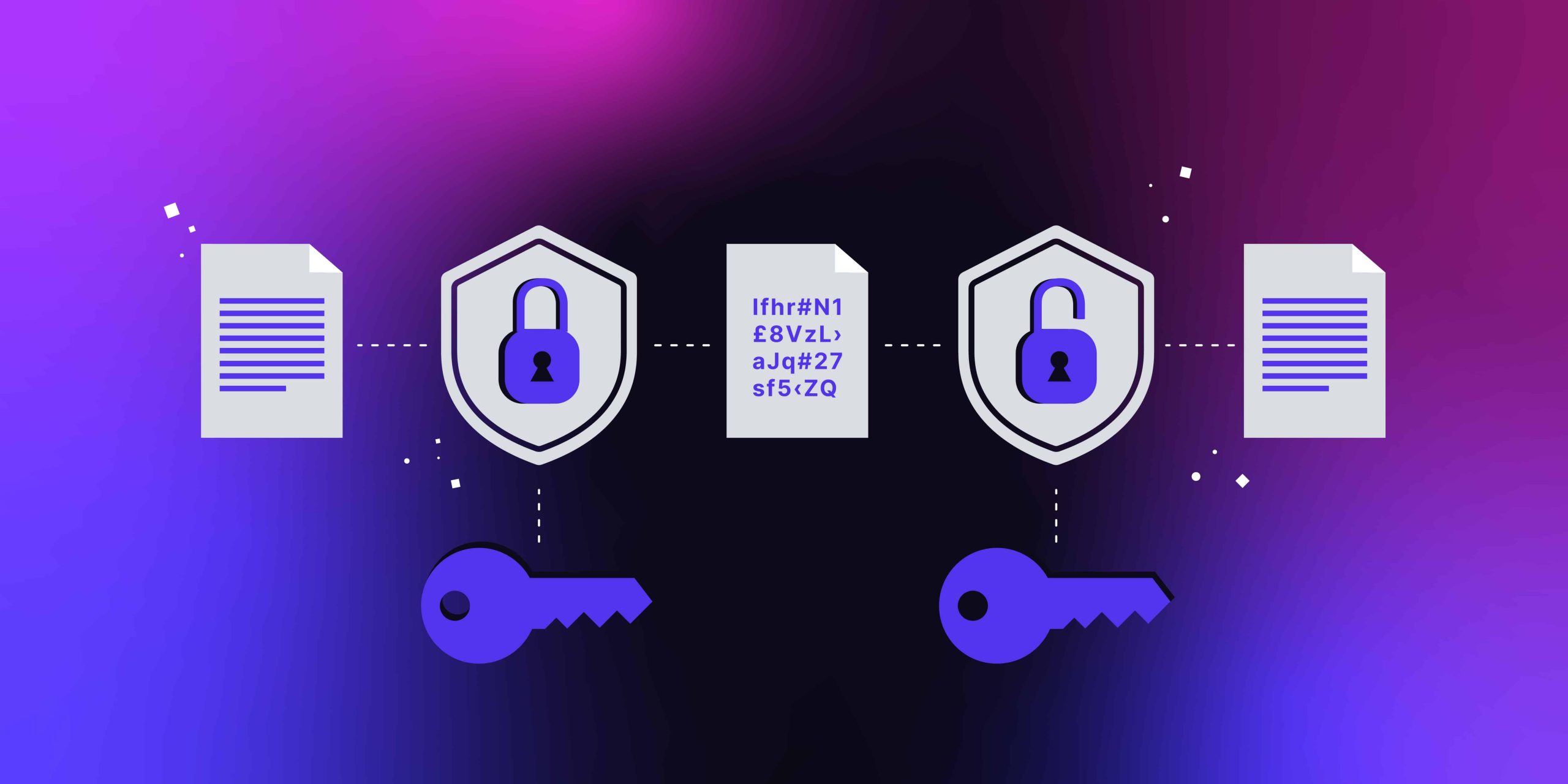
In today’s digital landscape, where data breaches and cyber threats are increasingly prevalent, safeguarding sensitive information has never been more crucial. With organizations relying heavily on the internet to manage and store vast amounts of data, ensuring its protection is paramount. One of the most effective strategies to enhance security is through data encryption—transforming plaintext data into a coded version that can only be deciphered by authorized users. But how can hosting software play a pivotal role in this process? In this article, we will explore the intersection of hosting solutions and data encryption, examining how modern hosting environments not only support robust encryption methodologies but also empower businesses to implement comprehensive security practices. By understanding the relationship between hosting software and data encryption, organizations can fortify their defenses and safeguard their invaluable digital assets. Join us as we delve into the essential ways hosting software facilitates enhanced security through effective data encryption strategies.
Table of Contents
- Understanding the Role of Hosting Software in Data Encryption Strategies
- Key Features of Hosting Solutions that Enhance Data Protection
- Best Practices for Implementing Encryption in Hosted Environments
- Evaluating Hosting Providers: What to Look for in Security and Encryption Services
- Insights and Conclusions
Understanding the Role of Hosting Software in Data Encryption Strategies
In today’s digital landscape, the integration of hosting software with data encryption strategies is pivotal in safeguarding sensitive information. Hosting platforms play a critical role by embedding robust encryption tools directly into their infrastructure, enabling seamless protection of data both at rest and in transit. These tools utilize advanced encryption algorithms and protocols, ensuring that data remains confidential and secure from unauthorized access. Moreover, as businesses face increasing regulations regarding data privacy, the capability of hosting software to facilitate compliance with standards such as GDPR and HIPAA becomes essential.
Key functionalities of hosting software that enhance data encryption strategies include:
- Integrated Encryption Options: Most hosting services offer built-in encryption for websites and applications, providing an extra layer of security without requiring additional configuration.
- Automated Certificate Management: Hosting software can manage SSL/TLS certificates, making it easier for users to encrypt data transferred between servers and clients.
- Regular Security Updates: Hosting platforms often roll out updates to their encryption tools, ensuring that clients are protected against the latest vulnerabilities and threats.
Additionally, when evaluating hosting software, businesses should consider the following factors to ensure effective data encryption:
| Feature | Description |
|---|---|
| Encryption Type | Asymmetric, Symmetric, or End-to-End Encryption options. |
| Compliance Support | Adherence to regulations like GDPR, HIPAA, etc. |
| Performance Impact | Minimal latency and optimized speed during encryption processes. |
Key Features of Hosting Solutions that Enhance Data Protection
In today’s digital landscape, the need for robust data protection has never been greater. Hosting solutions that prioritize security come equipped with various features designed to safeguard sensitive information. These features often include automated backups, ensuring that data can be quickly restored in the event of a loss. Additionally, many hosting platforms employ firewalls and intrusion detection systems to actively monitor for and respond to potential threats. Furthermore, the implementation of SSL certificates encrypts data in transit, protecting communications between the user and server from interception.
Another critical aspect of enhancing data protection through hosting services is the provision of multi-factor authentication. This layer of security requires users to provide multiple forms of verification before accessing sensitive data, making unauthorized access significantly more challenging. Many modern hosting solutions also offer GDPR compliance features, helping businesses adhere to stringent data protection regulations. To better understand how these features compare, refer to the table below:
| Feature | Description | Benefits |
|---|---|---|
| Automated Backups | Regular, scheduled backups of all data | Quick recovery of lost information |
| Firewalls | Protects networks from unauthorized access | Reduces risk of data breaches |
| SSL Certificates | Encrypts data in transit | Secures user-server communication |
| Multi-Factor Authentication | Requires multiple verification steps | Enhances account security |
| GDPR Compliance | Tools for adhering to data regulations | Avoids legal penalties and builds trust |
Best Practices for Implementing Encryption in Hosted Environments
Implementing encryption effectively in hosted environments requires a strategic approach that prioritizes both security and accessibility. Key management is one of the most critical elements. Organizations should establish robust processes for generating, storing, and rotating encryption keys to limit access to authorized personnel only. Additionally, employing encryption at rest and in transit is essential. This means ensuring that data stored in databases, as well as data transmitted over networks, is encrypted to protect against unauthorized access and breaches. Regular audits and compliance checks should also be conducted to ensure that encryption practices remain up-to-date with current security standards.
Furthermore, organizations should consider integrating encryption tools that are compatible with their existing infrastructure. Selecting solutions that offer seamless integration can minimize the potential for disruptions. It is also advisable to leverage multi-layered security measures, combining encryption with other security techniques such as firewalls and intrusion detection systems. To visualize the effectiveness of different encryption methods, the following table summarizes popular algorithms and their respective strengths:
| Encryption Algorithm | Key Length | Use Case |
|---|---|---|
| AES (Advanced Encryption Standard) | 128/192/256 bits | Data at rest |
| RSA (Rivest–Shamir–Adleman) | 2048 bits and higher | Secure data transmission |
| ChaCha20 | 256 bits | Mobile & low-resource devices |
These practices not only bolster the encryption framework but also enhance the overall security posture of the organization. Ensuring that everyone on the team is trained in these best practices will foster a culture of security awareness, making it less likely for missteps that could compromise sensitive data.
Evaluating Hosting Providers: What to Look for in Security and Encryption Services
When evaluating hosting providers, it’s essential to identify key features that ensure the security and integrity of your data. A robust provider will prioritize encryption protocols to safeguard sensitive information transmitted over the internet. Look for hosting services that support TLS (Transport Layer Security) and SSL (Secure Sockets Layer) certificates, as these technologies encrypt data in transit. Additionally, providers that offer end-to-end encryption should be at the top of your list, as this ensures that data remains secure from the moment it leaves your device until it is securely stored on the server.
Moreover, a well-rounded security approach includes firewall protection, DDoS (Distributed Denial-of-Service) protection, and regular security audits. Consider hosting services that provide intrusion detection systems and regular vulnerability assessments to proactively identify and mitigate potential threats. Always inquire whether the provider offers automatic updates for their software and security patches, as this reduces vulnerabilities over time. Here’s a simple comparison table highlighting key security features to look for:
| Feature | Description | Importance |
|---|---|---|
| TLS/SSL Certificates | Encrypts data in transit | High |
| End-to-End Encryption | Data is protected from point of origin to destination | Very High |
| Firewalls | Blocks unauthorized access | Essential |
| DDoS Protection | Mitigates bandwidth-targeted attacks | Critical |
| Regular Security Audits | Identifies vulnerabilities systematically | Important |
Insights and Conclusions
the importance of data encryption in today’s digital landscape cannot be overstated. As cyber threats evolve and data breaches become increasingly prevalent, organizations must prioritize robust security measures to protect sensitive information. Hosting software plays a pivotal role in this endeavor by offering integrated solutions that simplify the encryption process, ensuring that data remains secure both in transit and at rest.
By leveraging the capabilities of modern hosting platforms, businesses can implement strong encryption protocols that not only comply with industry regulations but also instill confidence among their clients and stakeholders. Investing in reliable hosting software equipped with encryption features is not just a technical choice but a strategic imperative for any organization aiming to safeguard its digital assets.
As you assess your own security strategies, consider how hosting solutions can enhance your data protection efforts. Stay informed, stay secure, and remember: when it comes to safeguarding your data, every layer of security counts. Thank you for reading, and we encourage you to share your thoughts or experiences with data encryption in the comments below!