
Enhancing Performance: The Role of CDNs in Managed Hosting
In today’s digital landscape, where user expectations for speed and reliability are at an all-time high, the importance of delivering content seamlessly cannot be overstated. For businesses and website owners, every second counts—in terms of loading times, performance, and ultimately, user satisfaction. This is where Content Delivery Networks (CDNs) come into play, revolutionizing the way content is distributed and accessed. In the context of managed hosting, the incorporation of CDNs not only boosts performance but also enhances the overall user experience, security, and scalability of web applications. In this article, we will explore how leveraging CDNs within a managed hosting environment can significantly elevate your online presence, ensuring that your content reaches audiences quickly and reliably, no matter where they are located. Whether you’re a small business looking to optimize your website or a large enterprise aiming to handle increased traffic, understanding the synergy between CDNs and managed hosting is crucial for achieving your performance goals.
Table of Contents
- Understanding Content Delivery Networks and Their Impact on Managed Hosting
- Key Benefits of Integrating CDNs for Enhanced Website Performance
- Best Practices for Implementing CDNs in Managed Hosting Solutions
- Future Trends in CDN Technology and Their Implications for Businesses
- Concluding Remarks
Understanding Content Delivery Networks and Their Impact on Managed Hosting
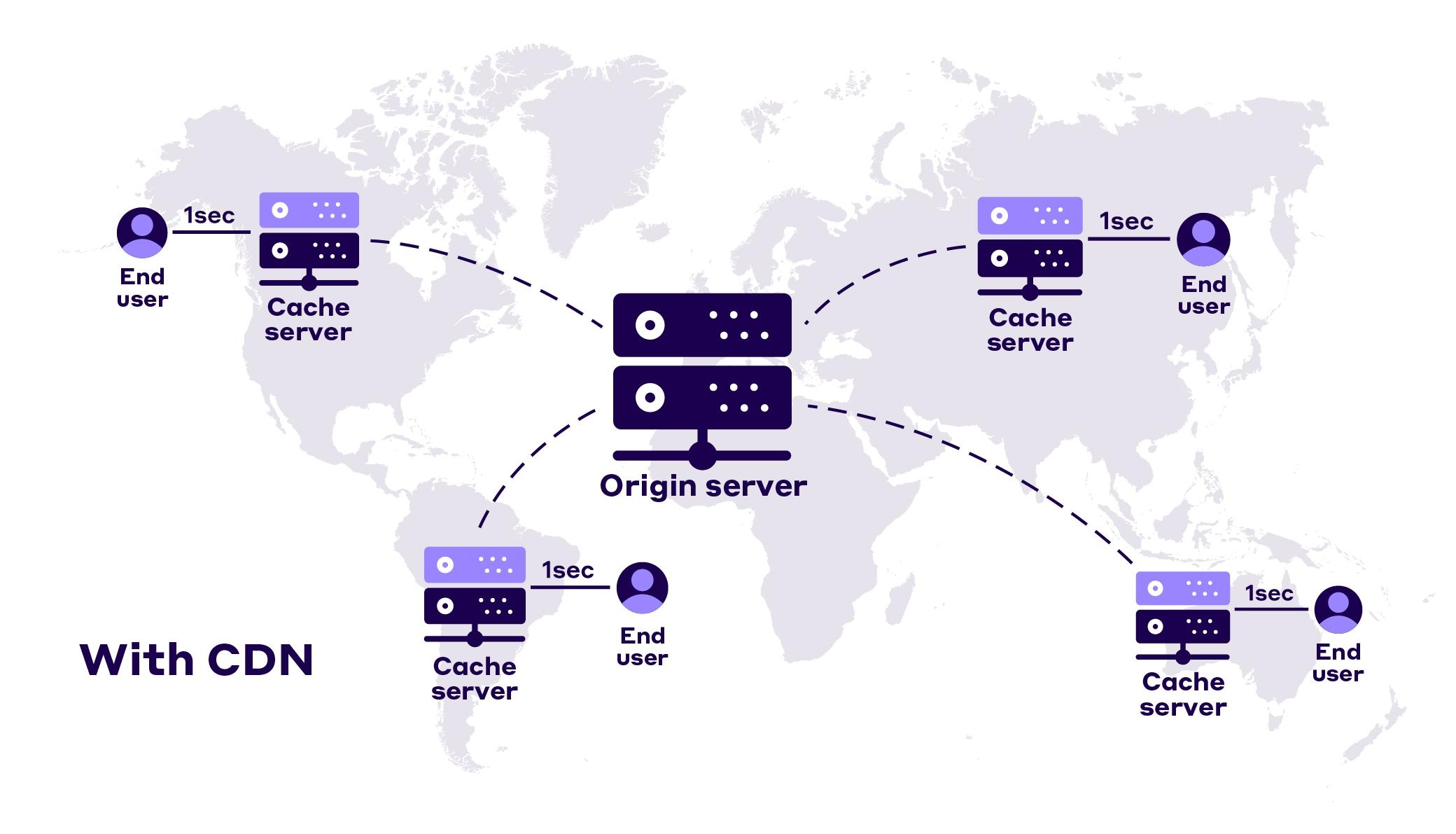
In today’s digital landscape, Content Delivery Networks (CDNs) play a pivotal role in optimizing the delivery of web content. By leveraging a network of distributed servers, CDNs reduce latency by making content readily available from locations closer to the user. This is especially beneficial for managed hosting environments, where the demand for speed and performance is paramount. When integrating a CDN into managed hosting, businesses can experience significant improvements in load times, ultimately enhancing user experience and retention. Moreover, CDNs alleviate bandwidth strain on the primary server, allowing resources to be allocated more efficiently.
The impact of CDNs on managed hosting can be seen through several critical advantages, including:
- Improved Speed: Faster content delivery leads to better user engagement.
- Scalability: CDNs can handle surges in traffic without compromising performance.
- Security Enhancements: Many CDNs come with built-in security features, such as DDoS protection.
- Cost-Efficiency: Reduced server load can lower hosting costs over time.
When evaluating the effectiveness of a CDN within a managed hosting framework, consider the following factors:
| Factor | Explanation |
|---|---|
| Geographic Distribution | Strategic server locations increase connectivity speed. |
| Content Types | Support for videos, images, and scripts enhances delivery. |
| Integration Capability | Seamlessness with existing hosting infrastructures. |
As companies strive for excellence in performance, understanding the intricate relationship between CDNs and managed hosting is essential. By adopting CDNs, businesses are not only positioning themselves for superior speed and reliability but also fostering a more secure and scalable web presence.
Key Benefits of Integrating CDNs for Enhanced Website Performance
Integrating Content Delivery Networks (CDNs) into your managed hosting environment significantly optimizes website performance. By distributing content across multiple geographically dispersed servers, CDNs reduce the distance data must travel to reach users, thereby minimizing latency and improving loading times. This not only enhances user experience but can also lead to higher conversion rates. Key benefits of leveraging CDNs include:
- Improved Load Times: Faster delivery of content means visitors stay engaged longer.
- Scalability: During traffic spikes, CDNs can handle increased request volumes, preventing downtime.
- Increased Security: CDNs offer DDoS protection and secure data transfer, safeguarding sensitive information.
- Global Reach: Local servers in multiple regions ensure fast access for users worldwide.
Furthermore, with the right CDN integration, managed hosting can provide enhanced performance analytics, enabling businesses to monitor website speed and user engagement effectively. This deep insight allows for continuous improvement and optimization based on real-time data. Consider how beneficial it can be to have:
| Feature | Benefits |
|---|---|
| Cache Management | Reduces server load and speeds up content delivery. |
| Redundancy | Ensures high availability and reliability of your site. |
| Content Optimization | Automatically compresses and optimizes images and videos. |
Best Practices for Implementing CDNs in Managed Hosting Solutions
Implementing a Content Delivery Network (CDN) in managed hosting solutions can significantly enhance website performance, but best practices must be followed to maximize benefits. To start, select a CDN provider that aligns with your specific needs, including geographic coverage and integration capabilities. Assess your audience’s location to choose a CDN with edge servers close to them, reducing latency. Furthermore, prioritize reliable security features such as DDoS protection and SSL support to safeguard data during transit.
Once the right CDN is in place, optimize your website’s content delivery by leveraging features like caching, file compression, and image optimization. Cache static assets such as images, CSS, and JavaScript files to reduce loading times for repeat visitors. Additionally, consider implementing version control and purging strategies for dynamic content, ensuring that users always receive the most up-to-date information without sacrificing speed. Tracking performance with analytics tools is essential to identify opportunities for improvement and adjust settings based on real-time user interactions.
Future Trends in CDN Technology and Their Implications for Businesses
As businesses increasingly depend on digital infrastructure, the evolution of CDN technology plays a pivotal role in shaping online strategies. Artificial Intelligence (AI) and Machine Learning (ML) are rapidly transforming CDN capabilities, allowing for smarter routing and dynamic scalability based on real-time data. This means that companies can leverage predictive analytics to anticipate traffic spikes or shifts in user behavior, optimizing content delivery seamlessly. Moreover, edge computing is set to play a significant role, allowing data processing to occur closer to the end-user. This reduces latency dramatically and enhances the overall user experience, which is paramount for e-commerce sites and media streaming services.
The incorporation of Next-Generation Protocols such as HTTP/3 is also set to redefine performance standards. By improving how data packets are transferred over the internet, businesses can expect faster load times and improved reliability, even with fluctuating network conditions. Furthermore, increased focus on security features—including enhanced DDoS protection and encryption techniques—will not only safeguard content but also instill user trust, a crucial currency in the digital age. As companies prepare for these advancements, they should consider that adopting an agile CDN strategy is no longer an option but a necessity to stay competitive in a fast-evolving marketplace.
Concluding Remarks
leveraging Content Delivery Networks (CDNs) within managed hosting environments offers a multifaceted approach to enhancing website performance. By distributing content closer to users around the globe, CDNs significantly improve load times, reduce latency, and bolster site reliability, all of which are crucial for retaining visitors and boosting engagement. As businesses continue to prioritize user experience, integrating CDNs into their hosting strategies is no longer a luxury, but a necessity.
Choosing the right CDN can be a game changer, enabling seamless scalability and robust security measures that protect your digital assets. As you navigate the complexities of managed hosting, remember that investing in a CDN is an investment in your brand’s reputation and success.
Stay ahead of the competition by embracing this powerful technology, and watch as your website transforms into a faster, more efficient, and user-friendly platform that meets the demands of today’s digital landscape. Thank you for reading, and we hope this article has inspired you to explore the transformative potential of CDNs in managed hosting.