
Enhancing Performance: Hosting Software’s Role in Load Balancing
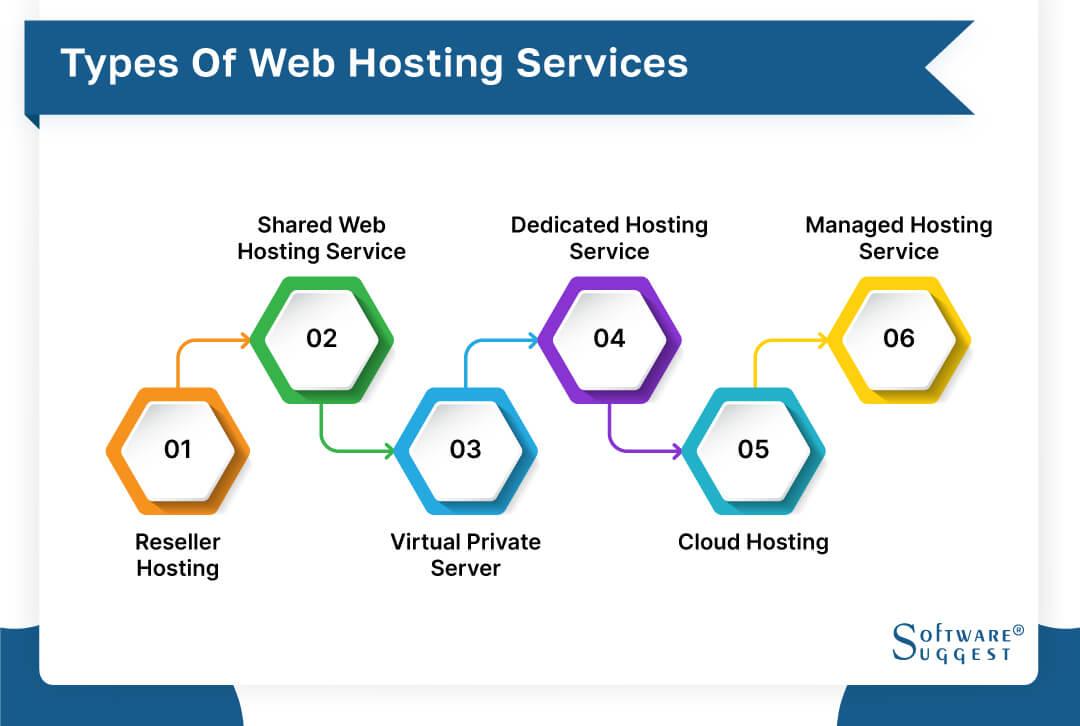
In today’s hyper-connected digital landscape, where user expectations soar and competition is fierce, maintaining optimal website performance has never been more critical. With traffic spikes, unpredictable user behavior, and the increasing demand for seamless online experiences, businesses must leverage advanced technologies to ensure reliability and efficiency. One of the key players in this arena is load balancing—a technique that intelligently distributes incoming traffic across multiple servers. At the heart of effective load balancing lies sophisticated hosting software, which not only simplifies this process but also enhances overall system performance. In this article, we will explore how hosting software plays a pivotal role in load balancing, helping businesses scale their operations while ensuring a flawless user experience. Join us as we delve into the intricacies of this vital technology and discover how it can propel your website toward greater resilience and success.
Table of Contents
- Understanding Load Balancing and Its Importance in Software Hosting
- The Role of Hosting Software in Optimizing Load Distribution
- Best Practices for Implementing Effective Load Balancing Strategies
- Measuring and Analyzing Performance: Tools and Metrics for Success
- Closing Remarks
Understanding Load Balancing and Its Importance in Software Hosting
Load balancing is a crucial aspect of software hosting that ensures optimal distribution of workloads across multiple servers or resources. By intelligently routing user requests and managing traffic, load balancing helps to maintain responsiveness and system stability, particularly during peak demand periods. It facilitates high availability—meaning that even if one server goes down, others can seamlessly take over, minimizing downtime. The use of sophisticated algorithms allows load balancers to analyse user behavior and server performance, ensuring that no single server becomes overwhelmed while others remain underutilized.
Additionally, implementing load balancing can lead to significant performance improvements and cost savings. This process enhances resource utilization, maximizes throughput, and reduces latency, creating a smoother user experience. Key features of effective load balancing include:
- Scalability: Easily accommodates growth in traffic without performance dips.
- Traffic Management: Directs requests to the optimal server based on real-time conditions.
- Health Monitoring: Automatically reroutes traffic from servers that are performing poorly or are unavailable.
Through these mechanisms, organizations can ensure that their software applications remain reliable and efficient, contributing significantly to an improved user experience.
The Role of Hosting Software in Optimizing Load Distribution
The efficiency of any web application hinges on its ability to distribute load evenly across servers. Hosting software plays a pivotal role in this process by employing a variety of algorithms designed to assess current load conditions and determine the most optimal route for incoming traffic. For instance, round-robin, least connections, and IP hashing are common strategies that hosting software uses to manage requests. By adopting these strategies, businesses can ensure that no single server is overwhelmed, significantly reducing the risk of outages and enhancing user experience.
Moreover, modern hosting software often incorporates advanced monitoring tools that track server performance in real time. This data allows administrators to make informed decisions regarding resource allocation and traffic management. Key features typically include:
- Real-time analytics: Monitor server load and response times.
- Flexible scaling: Adjust resources based on traffic demands.
- Health checks: Identify and reroute traffic from malfunctioning servers.
By leveraging such capabilities, organizations can not only optimize their load distribution but also enhance their overall operational resilience.
Best Practices for Implementing Effective Load Balancing Strategies
To achieve optimal performance through load balancing, it’s crucial to adopt a proactive approach. Begin by analyzing traffic patterns to understand peak usage times and the type of requests your servers handle. This data allows you to tailor your load balancing strategy to meet user demand effectively. Additionally, consider implementing health checks for your servers to ensure that traffic is directed only to those operating efficiently. By regularly reviewing server performance metrics and employing auto-scaling features, you can maintain reliability and responsiveness in your hosting environment.
Furthermore, leveraging smart algorithms for traffic management can significantly enhance load distribution. Options such as round-robin, least connections, and IP hash should be evaluated based on your specific application needs. It’s also essential to ensure that your load balancer has failover mechanisms in place to seamlessly redirect traffic in case of a server failure. Below is a simple comparison of common load balancing algorithms to guide your decision-making:
| Algorithm | Description | Best Use Case |
|---|---|---|
| Round Robin | Distributes requests sequentially to each server | Equal load across servers |
| Least Connections | Routes traffic to the server with the least active connections | Dynamic workloads and varying server capacity |
| IP Hash | Uses the client’s IP address to assign requests to servers | Session persistence required |
Measuring and Analyzing Performance: Tools and Metrics for Success
Understanding performance metrics is crucial for any hosting environment, especially when it comes to load balancing. By leveraging the right tools, businesses can gain essential insights into how their applications handle different levels of traffic. Key metrics to consider include:
- Response Time: Measures how quickly the server responds to user requests. A lower response time indicates better performance.
- Throughput: Refers to the number of transactions or requests processed in a given timeframe. Higher throughput suggests more efficient processing.
- Error Rate: Tracks the percentage of failed requests. Monitoring this helps identify potential issues before they escalate.
Additionally, utilizing tools such as load testing software and monitoring dashboards can offer real-time analysis. These platforms often provide visual reports that help teams understand trends and pinpoint bottlenecks. Below is a simplified overview of some popular tools:
| Tool Name | Purpose | Key Features |
|---|---|---|
| Apache JMeter | Performance testing tool | Flexible testing scenarios, comprehensive reports |
| New Relic | Application performance monitoring | Real-time monitoring, anomaly detection |
| LoadRunner | Load testing | Scalability analysis, extensive protocol support |
Closing Remarks
the role of hosting software in enhancing performance through effective load balancing cannot be overstated. As businesses continue to evolve in the digital age, the demand for reliable, efficient, and scalable solutions will only grow. By leveraging advanced hosting software features, organizations can not only optimize their resource allocation but also ensure that their applications remain responsive and resilient under various loads.
Investing in the right hosting solutions and implementing robust load balancing strategies can significantly elevate your operational efficiency. This proactive approach not only minimizes downtime but also enhances user experience—factors that are increasingly critical in maintaining a competitive edge.
As you explore your options, remember that the landscape of hosting technologies is continuously changing. Staying informed and adaptable will be key to harnessing the full potential of load balancing in your infrastructure. So, take the time to evaluate your current setup, consider the benefits of modern hosting solutions, and don’t hesitate to innovate. With the right tools at your disposal, you can pave the way for sustained performance and growth in an ever-demanding environment.
Thank you for joining us in this exploration of hosting software’s pivotal role in load balancing. We hope you found valuable insights that inspire you to enhance your performance strategies. Until next time, here’s to building a faster, more efficient digital world!