
Enhancing Dedicated Server Security: The Essential Role of Firewalls
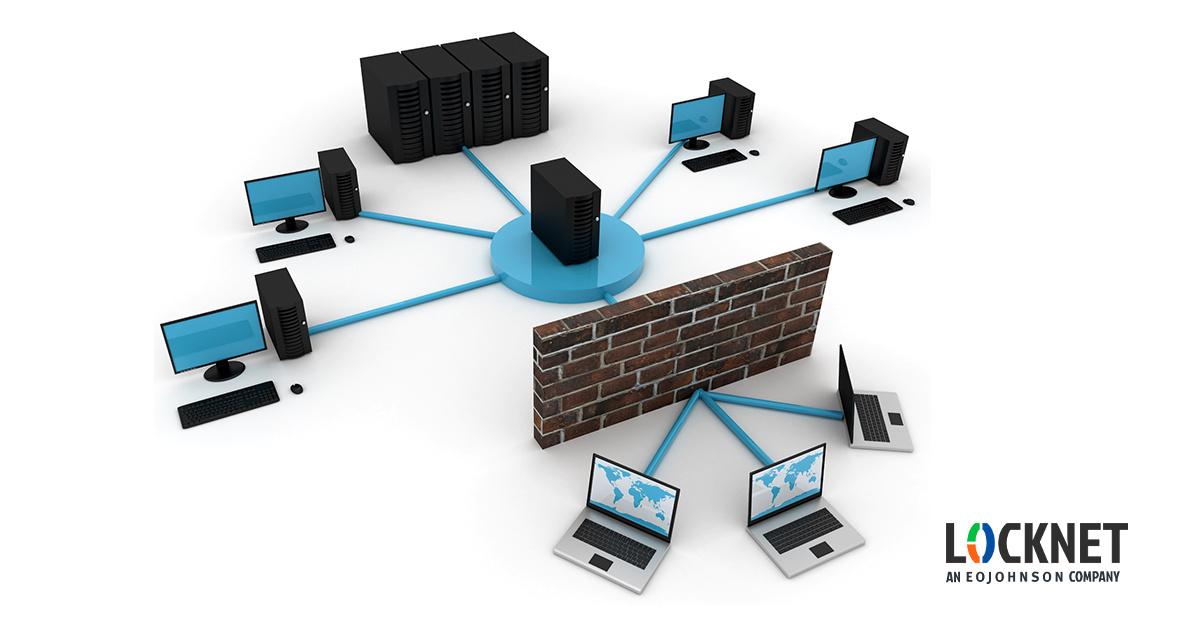
In today’s digitally interconnected world, the security of dedicated servers has never been more critical. As businesses increasingly rely on robust server infrastructure to manage sensitive data and applications, the need to safeguard these assets from potential threats grows exponentially. Among the myriad of security measures available, firewalls stand out as a fundamental line of defense. Not only do they act as barriers between trusted networks and potential intruders, but they also play an essential role in monitoring and controlling incoming and outgoing traffic. In this article, we will delve into the importance of firewalls in enhancing dedicated server security, exploring various types, best practices for implementation, and how they integrate into a comprehensive cybersecurity strategy. Join us as we uncover the pivotal role firewalls play in protecting your dedicated servers and ultimately, your business’s integrity.
Table of Contents
- Understanding the Importance of Firewalls in Dedicated Server Security
- Types of Firewalls: Choosing the Right One for Your Dedicated Server
- Best Practices for Configuring Firewalls to Maximize Protection
- Monitoring and Maintaining Firewall Effectiveness for Long-Term Security
- Concluding Remarks
Understanding the Importance of Firewalls in Dedicated Server Security
Firewalls serve as a critical line of defense for dedicated servers, standing guard against unauthorized access and potential threats. By monitoring and controlling both incoming and outgoing network traffic based on predefined security rules, firewalls effectively create a barrier between trusted internal networks and untrusted external sources. This not only helps in protecting sensitive data but also ensures that server resources are not exploited by malicious actors. An effective firewall setup can be tailored to the specific needs of a business, allowing administrators to refine security policies and implement strict access controls.
Moreover, the dynamic nature of cybersecurity threats underscores the necessity of regularly updating and configuring firewall settings. A robust firewall system can offer features such as:
- Intrusion Detection and Prevention: Identifying and blocking potential attacks.
- VPN Support: Enabling secure remote access for employees.
- Traffic Monitoring: Analyzing data logs for unusual activity.
In an evolving digital landscape, neglecting the firewall can lead to serious repercussions, including data breaches and system downtime. By investing in a comprehensive firewall solution, businesses can bolster their dedicated server security, ensuring the integrity and confidentiality of their operations.
Types of Firewalls: Choosing the Right One for Your Dedicated Server
When it comes to securing your dedicated server, understanding the various types of firewalls available is crucial. The three main types of firewalls are:
- Packet-Filtering Firewalls: These are the most basic type and operate at the network layer, inspecting incoming and outgoing traffic based on set rules. They only allow or block packets based on IP addresses, port numbers, and protocols, providing a minimal level of security.
- Stateful Inspection Firewalls: More advanced than packet-filtering, these firewalls keep track of the state of active connections and make informed decisions based on the context, offering greater protection against unauthorized access.
- Next-Generation Firewalls (NGFW): These incorporate deep packet inspection and the ability to detect and block sophisticated threats in real-time. They often include additional features like intrusion prevention systems (IPS) and application awareness.
Choosing the right firewall for your dedicated server involves evaluating your security needs and resources. Consider factors such as:
- Traffic Volume: How much traffic will the server handle? High-volume traffic may require more robust solutions like NGFW.
- Complexity of Threats: If your server is exposed to complex cyber threats, opt for stateful or next-generation firewalls.
- Budget: Assess your budget constraints, as advanced firewalls generally come with higher costs, but also offer better protection.
Best Practices for Configuring Firewalls to Maximize Protection
To ensure your firewall is effectively configured, it’s essential to implement a strategy that not only protects your server but also enhances operational efficiency. Start by creating a least privilege access policy, allowing only necessary traffic to flow through the firewall. Regularly update your allow and deny rules, periodically reviewing them to remove outdated or unnecessary permissions. This ensures that the firewall adapts to evolving security threats. Additionally, consider implementing intrusion detection systems (IDS) that can work in conjunction with your firewall to monitor for suspicious activity. If you’re using a next-gen firewall, leverage its advanced features such as deep packet inspection and application-aware filtering for a more granular control over your network traffic.
Monitoring and logging are crucial components of a comprehensive firewall strategy. Enable logging of all traffic, including denied packets, and periodically analyze these logs for anomalies. This practice can help identify potential vulnerabilities and refine your firewall rules. Furthermore, implement regular audits to assess the effectiveness of the firewall configuration and adapt to new threats as they arise. Collaboration with your IT security team to conduct penetration testing can provide valuable insights into your firewall’s performance under attack scenarios. As a result, you can continually enhance your firewall settings, ensuring maximum protection against cyber threats.
Monitoring and Maintaining Firewall Effectiveness for Long-Term Security
To ensure that your firewall remains effective over time, regular monitoring is essential. This involves not only tracking its performance but also evaluating the types of traffic it is blocking and allowing. Key strategies to enhance your monitoring efforts include:
- Conducting routine audits to assess rules and policies.
- Utilizing intrusion detection systems (IDS) alongside firewalls for a comprehensive approach.
- Reviewing log data frequently to identify unusual patterns or potential threats.
- Setting up automated alerts for significant security incidents.
After implementing monitoring processes, maintaining the effectiveness of your firewall is equally important. This can involve regularly updating your firewall’s firmware and security protocols. Consider the following practices:
- Establish a schedule for software updates and patches.
- Review and adjust access control lists (ACLs) to reflect organizational changes or personnel updates.
- Engage in penetration testing to identify vulnerabilities before they can be exploited.
| Firewall Maintenance Task | Frequency | Responsible Party |
|---|---|---|
| Firmware Updates | Monthly | IT Security Team |
| Log Reviews | Weekly | Network Administrator |
| Policy Audits | Quarterly | Compliance Officer |
| Penetration Testing | Annually | External Security Consultant |
Concluding Remarks
bolstering the security of your dedicated server with robust firewall solutions is not just an option—it’s an absolute necessity in the ever-evolving landscape of digital threats. By implementing a well-rounded firewall strategy, you significantly reduce the risk of unauthorized access, data breaches, and other cyber-attacks that could jeopardize your operations and reputation.
As we’ve explored, firewalls serve as your first line of defense, offering an essential layer of protection that should not be overlooked. Whether you opt for network-based, host-based, or cloud-based firewalls, the key is to choose a solution that aligns with your specific needs and security requirements.
Remember, security is an ongoing process that demands regular updates and vigilant monitoring. Investing in a comprehensive firewall system today will not only protect your data but also provide peace of mind as you focus on growing your business. Stay informed, stay secure, and ensure that your dedicated server remains a safe environment for both you and your users.
Thank you for joining us in this exploration of dedicated server security. If you have any questions or would like to share your experiences with firewalls, feel free to leave a comment below. Together, let’s promote safer online practices!