
Enhancing Data Security: The Crucial Role of Dedicated Servers
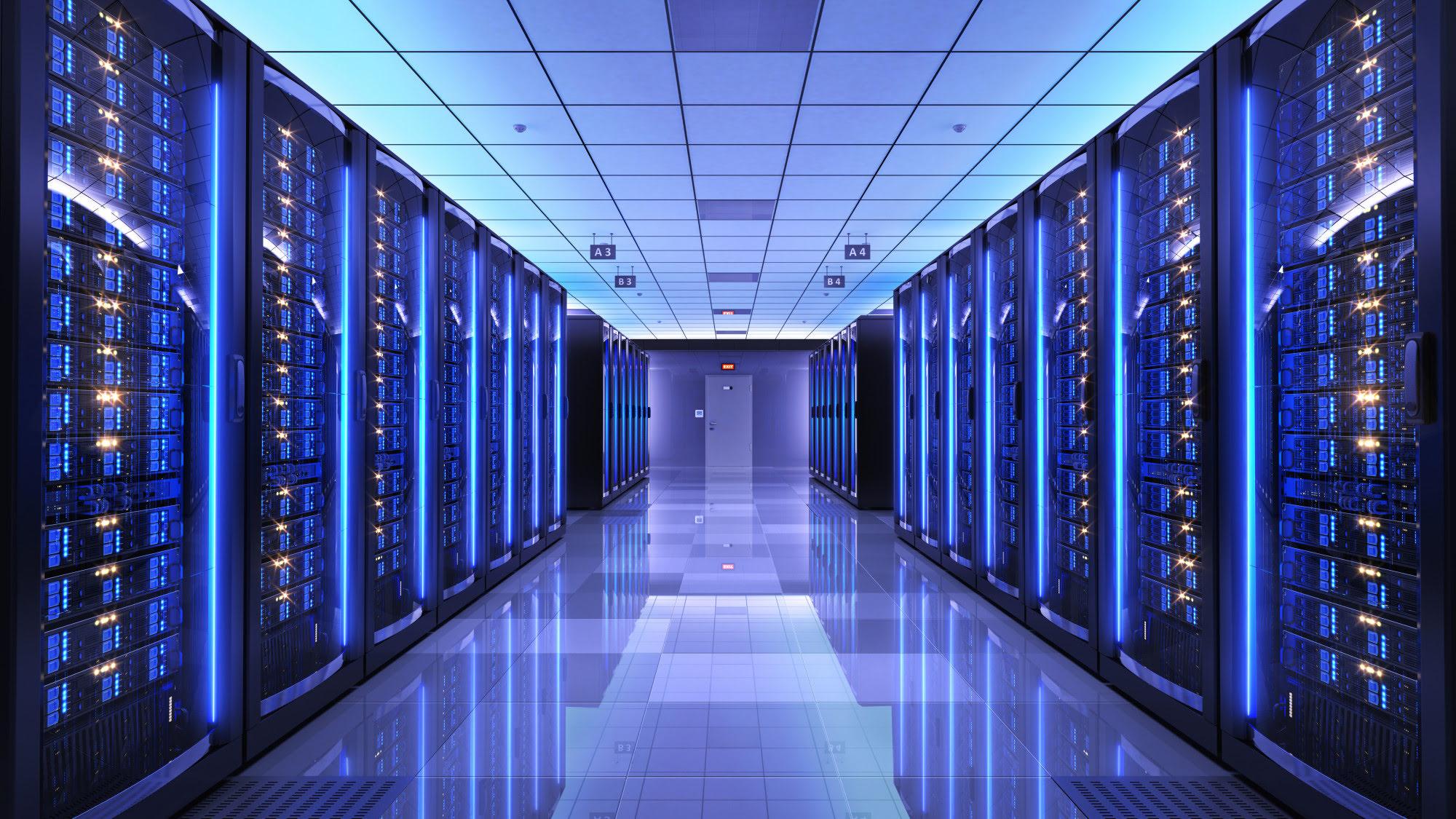
In an era where data breaches and cyber threats are increasingly commonplace, ensuring the security of sensitive information has never been more critical. Businesses of all sizes are grappling with the consequences of data vulnerabilities, from financial losses to reputational damage. Amidst this growing concern, dedicated servers are surfacing as a robust solution for enhancing data security. Unlike shared hosting environments, dedicated servers provide an exclusive platform, offering greater control, tailored configurations, and fortified defenses against cyber attacks. In this article, we will explore the pivotal role dedicated servers play in safeguarding data and why investing in this technology is essential for organizations committed to maintaining the integrity and confidentiality of their information. Join us as we delve into the features, benefits, and best practices that can empower your data security strategy through dedicated server solutions.
Table of Contents
- Understanding the Importance of Dedicated Servers in Data Security
- Key Features of Dedicated Servers That Enhance Data Protection
- Implementing Best Practices for Secure Dedicated Server Management
- Choosing the Right Dedicated Server for Your Security Needs
- Concluding Remarks
Understanding the Importance of Dedicated Servers in Data Security
When it comes to safeguarding sensitive data, the type of server you choose plays a pivotal role. Dedicated servers offer a level of security that shared hosting environments simply cannot match. Since these servers are exclusively allocated to a single user or organization, they drastically reduce the risk of data breaches caused by neighboring tenants on a shared server. This isolation not only enhances privacy but also allows for the implementation of personalized security protocols tailored to specific needs, ensuring that data remains confidential and secure.
Moreover, dedicated servers provide greater control over security configurations. Users can install custom firewalls, intrusion detection systems, and other security mechanisms without restrictions. This flexibility enables businesses to adapt to evolving security threats efficiently. Consider the following key security features that dedicated servers typically offer:
- Enhanced Firewall Protection: Users can implement more sophisticated firewall rules to meet their specific requirements.
- Custom Security Protocols: Tailoring security measures according to the type of data handled can provide superior threat management.
- Regular Updates and Patching: Enhanced control allows for timely updates to address vulnerabilities swiftly.
Key Features of Dedicated Servers That Enhance Data Protection
Dedicated servers provide an array of features that significantly bolster data protection, making them a preferred choice for businesses that prioritize security. One of the standout advantages is full resource allocation, allowing organizations to utilize the entire server capacity without interference from neighboring accounts. This isolation minimizes risk from attacks such as Distributed Denial of Service (DDoS), where surplus traffic can overwhelm shared environments. In addition, dedicated servers often support advanced firewall configurations that can be tailored to the specific needs of the organization, enhancing the ability to filter out potential threats before they can cause harm.
Moreover, dedicated servers are ideally suited for implementing robust backup solutions. With dedicated resources, businesses can schedule regular backups without affecting performance, ensuring that critical data is consistently stored in multiple locations. Additionally, the option for hardware redundancy, such as RAID configurations, safeguards data against hardware failures by mirroring or stripping data across multiple disks. This means that even in the event of a hardware malfunction, the data remains intact and accessible, reinforcing the overall integrity of the organization’s information systems.
Implementing Best Practices for Secure Dedicated Server Management
Managing a dedicated server securely is essential to protect sensitive data and maintain operational integrity. Regular updates to the server operating system and application software can drastically reduce vulnerabilities. Additionally, employing secure configurations from the outset is crucial; this includes disabling unnecessary services, choosing strong passwords, and regularly changing them. Consider implementing firewall rules to define what traffic is allowed into and out of the server environment. Lastly, use encryption for data in transit and at rest to ensure unauthorized users cannot access critical information.
Another vital aspect of secure dedicated server management is continuous monitoring and auditing. By utilizing tools that provide real-time analytics and alerts, administrators can quickly identify and respond to suspicious activities. Regular security audits help assess vulnerabilities and compliance with security policies. Establish a comprehensive backup strategy, ensuring that data is regularly backed up and can be restored promptly in case of a breach or system failure. Here are some essential best practices:
- Implement Access Controls: Restrict server access based on roles.
- Conduct Regular Penetration Testing: Identify weaknesses and resolve them.
- Use Anti-Malware Solutions: Protect against potential threats.
Choosing the Right Dedicated Server for Your Security Needs
When it comes to safeguarding sensitive information, selecting the right dedicated server is paramount. The correct server should not only meet your performance needs but also bolster your security posture. Begin by evaluating specific security features offered by different providers. Look for options such as firewalls, DDoS protection, and server-level encryption. These elements can make all the difference in preventing unauthorized access and data breaches. Additionally, consider the server’s physical security measures, ensuring that data centers employ advanced safeguards such as biometric access controls and 24/7 surveillance.
Another vital aspect to weigh is the server’s operating system and software compatibility. Depending on your business needs, you may require a Windows or Linux environment, each offering varied security advantages. Moreover, assess the technical support and maintenance provided by the hosting company. A reliable provider should offer round-the-clock assistance, ensuring any potential vulnerabilities can be addressed swiftly. Below is a simple comparison of key features to take into account:
| Feature | Importance |
|---|---|
| Firewall | Protects against unauthorized access |
| DDoS Protection | Prevents service interruptions during attacks |
| Encryption | Secures data during transmission |
| 24/7 Support | Ensures quick response to security incidents |
Concluding Remarks
In today’s digital landscape, where data breaches and cyber threats are on the rise, investing in dedicated servers for enhanced data security is not just a wise decision, but an essential one. As we’ve explored, dedicated servers offer a robust solution by providing a higher level of customization, control, and protection than shared server environments. By isolating your sensitive data, employing advanced security measures, and ensuring compliance with regulatory standards, dedicated servers stand as a formidable defence against the ever-evolving threats in the cyber realm.
As you contemplate the best strategies for securing your organization’s data, remember that the foundation of a sound security posture begins with the right infrastructure. Dedicated servers can be a game-changing asset, helping you safeguard your valuable information, maintain customer trust, and protect your brand’s reputation.
making the leap to dedicated hosting could not only bolster your data security but also empower your business for future growth. Stay proactive, stay protected, and take the necessary steps to fortify your digital assets. Your peace of mind—and your data’s integrity—are worth it. If you have any questions or would like to share your thoughts on enhancing data security with dedicated servers, feel free to leave a comment below. Let’s work together to ensure a safer online environment for all.