
Determining If Shared Hosting Fits Your Website Needs
Title:
In today’s digital landscape, choosing the right hosting solution is a pivotal step in launching a successful website. For many entrepreneurs, bloggers, and small business owners, shared hosting often emerges as a tempting option—promising affordability, ease of use, and sufficient resources to get started. But is shared hosting actually the right fit for your unique needs? As you weigh the pros and cons, it’s crucial to consider various factors such as site traffic, performance requirements, and growth potential. In this article, we’ll explore the ins and outs of shared hosting, helping you pinpoint whether this popular choice aligns with your website goals. By the end, you’ll have the knowledge to make an informed decision that sets your online presence on the path to success. Let’s dive in!
Table of Contents
- Evaluating the Performance Requirements of Your Website
- Understanding the Cost-Effectiveness of Shared Hosting Solutions
- Assessing Security Features in Shared Hosting Environments
- Identifying Scalability Options for Future Growth
- Insights and Conclusions
Evaluating the Performance Requirements of Your Website
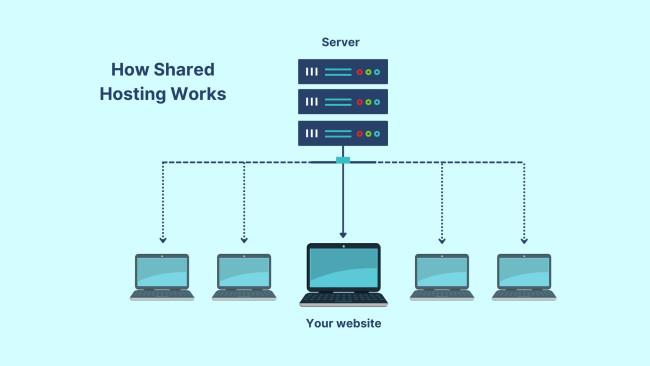
When considering shared hosting for your website, it’s crucial to assess various performance requirements that could significantly impact user experience and search engine rankings. Start by analyzing traffic expectations. Will your website be hosting a small portfolio or an online store with high visitor volume? Understanding your potential traffic can help you gauge whether shared hosting, which generally shares resources among multiple users, is capable of handling spikes in demand without compromising response times and page load speeds.
Another important factor is resource allocation. Shared hosting environments typically come with limitations regarding CPU, RAM, and bandwidth. These constraints can lead to throttling during peak traffic periods. Consider the following elements when evaluating your needs:
- Content Type: Websites with media-heavy content may require more resources.
- Growth Potential: Choose a hosting solution that can scale with your site.
- Downtime Tolerance: Assess how much downtime can affect your business.
| Performance Metric | Minimal Requirement | Ideal Requirement |
|---|---|---|
| Page Load Time | 3 seconds | Less than 2 seconds |
| Monthly Visitors | 10,000 | 50,000+ |
| Support for HTTPS | Available | Recommended with free SSL certificates |
Understanding the Cost-Effectiveness of Shared Hosting Solutions
When evaluating the cost-effectiveness of shared hosting solutions, it’s essential to recognize the benefits they can offer to small businesses and individual website owners. Affordability is one of the most significant advantages, as shared hosting plans typically range from $3 to $10 per month, allowing users to launch their sites without significant financial investment. In addition to cost savings, users also gain access to essential features like pre-installed content management systems (CMS), free SSL certificates, and one-click installation options that simplify the website setup process. This makes it an attractive option for those who may lack technical expertise or have minimal budget constraints.
However, while shared hosting offers several advantages, it’s crucial to consider certain limitations that may impact your website’s performance. Resource sharing means that multiple websites host on the same server, leading to potential slowdowns during peak traffic times. In addition, users often face restrictions on script execution and storage space, which may hinder growth as your website expands. Here’s a brief overview comparing some common aspects of shared hosting plans:
| Feature | Basic Plan | Standard Plan | Premium Plan |
|---|---|---|---|
| Monthly Cost | $3.99 | $7.99 | $10.99 |
| Storage Space | 10 GB | 50 GB | Unlimited |
| Bandwidth | Unlimited | Unlimited | Unlimited |
| Free SSL | ✔️ | ✔️ | ✔️ |
Assessing Security Features in Shared Hosting Environments
When evaluating a shared hosting environment, it’s crucial to understand the various security features that come with it. Not all hosting providers are equal, and their implementations of security protocols can significantly impact your website’s safety. Start by checking if the provider offers SSL certificates to ensure data encryption and integrity. Additionally, verify whether they provide firewall protection and regular software updates to address vulnerabilities. It’s also advisable to look into backup solutions; a reliable provider will offer automated backups that allow for quick recovery in the face of data loss.
Furthermore, consider the extent of resource allocation and the potential for abuse by other users on the same server, which can compromise your site’s security. A reputable host will use measures like account isolation to minimize risks from neighboring accounts. Evaluate their response to security threats—do they have a clear protocol for dealing with attacks and breaches? Below is a quick reference table of essential security features to consider:
| Security Feature | Description |
|---|---|
| SSL Certificate | Ensures encrypted data transfer. |
| Firewall Protection | Blocks unauthorized access. |
| Regular Backups | Automated snapshots of your data. |
| Account Isolation | Prevents access between shared accounts. |
| Threat Monitoring | Ongoing checks for potential attacks. |
Identifying Scalability Options for Future Growth
As your online presence expands, it’s crucial to evaluate how your current hosting setup can accommodate future growth. Shared hosting may serve your initial needs, but as your website garners more traffic and demands increased resources, you might find it limiting. Start by identifying key indicators that suggest the need for a more scalable solution:
- Traffic Growth: Monitor spikes in visitors. If your site frequently exceeds shared hosting limits, it may be time to consider alternatives.
- Performance Issues: Slow load times and downtimes can frustrate users. Responsive hosting can mitigate these risks.
- Resource Consumption: Track CPU and memory usage. Rising figures may indicate a need to upgrade.
Once you assess your requirements, explore various hosting options that allow for flexibility and scalability. Evaluate features offered by providers, such as:
| Hosting Type | Scalability Features | Best For |
|---|---|---|
| VPS Hosting | More resources; root access | Growing websites with specific needs |
| Dedicated Hosting | Full server resources; high performance | Large websites with high traffic |
| Cloud Hosting | On-demand resources; pay as you grow | Businesses expecting fluctuating traffic |
In choosing the right option, consider your projected growth trajectory, budget, and technical expertise. Implementing a solution that aligns with your future plans ensures sustainable success as your website evolves.
Insights and Conclusions
choosing the right hosting solution for your website is a pivotal decision that can significantly impact your online presence. Shared hosting can be an excellent choice for small businesses, personal projects, and startups looking for an affordable way to establish their web presence without sacrificing too much in terms of performance or features. However, it’s crucial to evaluate your specific needs—such as traffic expectations, resource requirements, and future growth plans—before committing to a shared hosting plan.
As you conduct your research, don’t forget to consider factors like customer support, uptime reliability, and the potential for scalability. By aligning your hosting choice with your long-term goals, you can set your website up for success while keeping your budget in check.
Ultimately, the decision to go with shared hosting should be based on a thorough understanding of your website’s unique requirements and the host’s capabilities. With this knowledge in hand, you can confidently navigate your options and select a hosting solution that supports your vision.
Thank you for joining us on this exploration of shared hosting. If you have any further questions or insights about hosting your website, please feel free to share in the comments below. Happy hosting!