
Decoding VPS Hosting Costs: A Comprehensive Guide
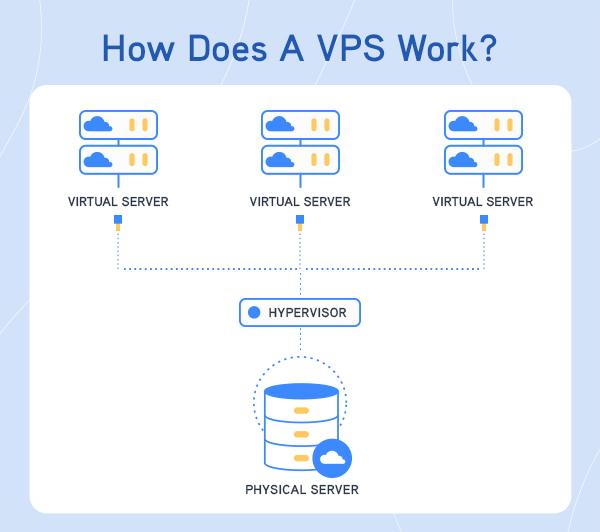
In the ever-evolving landscape of web hosting, Virtual Private Server (VPS) hosting has emerged as a popular solution for businesses and developers seeking a balance between affordability and performance. However, understanding the costs associated with VPS hosting can be a daunting task, especially for those new to the world of server management. With numerous factors influencing pricing—such as resources, provider features, and geographical location—decoding VPS hosting costs requires a careful examination. In this comprehensive guide, we will demystify the various components that contribute to VPS pricing, offering clarity and insight to help you make informed decisions. Whether you’re contemplating migration from shared hosting or scaling your existing infrastructure, our deep dive into the intricacies of VPS costs will empower you to choose the best solution for your specific needs and budget. Join us as we unravel the nuances of VPS pricing, ensuring you get the most value from your hosting investment.
Table of Contents
- Understanding the Key Factors Influencing VPS Hosting Costs
- Evaluating Performance Features for Optimal Value
- Comparing Provider Plans: What to Look For
- Budgeting Wisely: Hidden Costs and Long-Term Considerations
- Future Outlook
Understanding the Key Factors Influencing VPS Hosting Costs
When embarking on the journey of selecting a VPS hosting plan, it’s crucial to grasp the variables that contribute to overall costs. Resource Allocation plays a significant role; more CPU cores, RAM, and disk space typically result in higher prices. Other essential components include the choice of Operating System and whether you opt for a managed or unmanaged server. Managed services often command a premium, providing invaluable support and updates, while unmanaged services may save you money but require a higher level of technical knowledge to configure and maintain:
- CPU Core Count: More cores enhance performance, particularly for CPU-intensive applications.
- RAM Size: A higher RAM allocation improves multitasking and resource-intensive applications.
- Disk Type: SSDs offer superior speed compared to traditional HDDs, often influencing pricing.
Additionally, Geographic Location of the data center can affect costs, as some regions have different operational expenses, including power and real estate. Most providers also offer Pricing Models that range from monthly to annual subscriptions, with longer commitments frequently offering lower monthly rates. Be aware of potential hidden costs such as data transfer overages or additional fees for backups and support:
| Factor | Impact on Cost |
|---|---|
| Resource Allocation | Higher resources lead to higher costs |
| Operating System | Licensing fees can increase prices |
| Data Center Location | Prices may vary significantly by region |
| Support Level | Managed services typically cost more |
Evaluating Performance Features for Optimal Value
When assessing the performance features of VPS hosting, it’s essential to focus on attributes that directly impact your site’s speed, reliability, and scalability. CPU resources, RAM capacity, and disk I/O performance are critical indicators of a server’s capability to handle varying loads. Evaluating these features helps identify which plan best suits your business needs, especially if you’re running resource-intensive applications or high-traffic websites. A well-balanced approach that ensures adequate resource allocation will provide a seamless experience for users while optimizing value for your investment.
Moreover, the quality of bandwidth and network connectivity should not be overlooked. A reliable VPS provider will offer a robust infrastructure capable of supporting high data transfer rates, minimizing downtime during peak traffic. The following elements can further enhance your evaluation:
- Data Center Location: Proximity to your target audience can significantly affect loading times.
- Scalability Options: Ability to upgrade resources as your business grows without major disruptions.
- Backup Solutions: Regular automated backups ensure that your data remains safe, adding a layer of reliability.
Integrating all these factors into your decision-making process can help you unlock the full potential of VPS hosting while maximizing your return on investment. Below is a simple comparison of common plans to illustrate how different features align with performance and cost:
| Hosting Plan | CPU Cores | RAM | Disk Space | Monthly Cost |
|---|---|---|---|---|
| Basic Plan | 1 | 1 GB | 20 GB SSD | $5 |
| Standard Plan | 2 | 2 GB | 40 GB SSD | $10 |
| Advanced Plan | 4 | 4 GB | 80 GB SSD | $20 |
Comparing Provider Plans: What to Look For
When evaluating VPS hosting plans, it’s crucial to dissect the offerings of each provider carefully. Start by looking at the resource allocation, including CPU, RAM, and disk space, as these will significantly impact the performance of your applications. Also, take note of the scalability options; the ability to upgrade resources easily can save you from unexpected downtimes and help cater to fluctuating traffic demands. Additionally, assess the data center locations to ensure low latency and optimal speeds for your target audience. make sure to consider the support services offered—24/7 customer service can make all the difference in critical situations.
Another vital aspect is pricing transparency. Avoid plans that have hidden fees or complicated billing structures. Look for providers that offer flexible payment options and clear, straightforward pricing. Many providers offer a variety of pricing tiers based on server specifications; here’s a quick comparison of what you might encounter:
| Provider | Basic Package | Mid-Range Package | Advanced Package |
|---|---|---|---|
| Provider A | 2 CPU, 4 GB RAM, $20/month | 4 CPU, 8 GB RAM, $40/month | 8 CPU, 16 GB RAM, $80/month |
| Provider B | 1 CPU, 2 GB RAM, $15/month | 2 CPU, 4 GB RAM, $30/month | 4 CPU, 8 GB RAM, $60/month |
| Provider C | 3 CPU, 5 GB RAM, $25/month | 6 CPU, 12 GB RAM, $50/month | 12 CPU, 24 GB RAM, $100/month |
By carefully comparing these aspects, you can identify the plan that best aligns with your specific needs, ensuring a balance between cost and performance. Prioritize each feature based on your unique requirements and usage patterns to make an informed decision.
Budgeting Wisely: Hidden Costs and Long-Term Considerations
When planning your budget for VPS hosting, it’s essential to look beyond the initial price tag. Hidden costs can accumulate quickly and significantly impact your overall expenditure. Consider the following factors that may not be immediately obvious:
- Setup Fees: Some providers charge a one-time setup fee that can catch you off guard.
- Bandwidth Overages: Exceeding your included bandwidth can lead to hefty additional charges.
- Backup Services: While essential, automated backups might come with extra fees.
- Software Licensing: Depending on your needs, the cost of licenses for applications can add up.
Furthermore, it’s crucial to think about long-term considerations that may influence your VPS hosting costs. Scaling your resources to accommodate growth can alter your budget considerably over time. Keep these aspects in mind:
- Upgrade Paths: Ensure the provider offers seamless upgrades to prevent downtime.
- Support Plans: Evaluate if premium support is necessary for your operations.
- Contract Length: Longer commitments can offer price breaks but may also lock you into an unsuitable plan.
- Renewal Rates: Some providers offer discounts for the first term that sharply increases upon renewal.
Future Outlook
understanding VPS hosting costs is essential for making informed decisions that align with your business needs and budget. Throughout this comprehensive guide, we’ve explored the various factors that influence pricing, from server specifications to additional services and management options. By evaluating your requirements and comparing providers, you can select a VPS hosting solution that not only meets your performance expectations but also fits your financial framework.
Remember, the cheapest option is not always the best; it’s crucial to consider the value you receive and the level of support and security offered. As you navigate the complexities of VPS hosting, keep our insights in mind to ensure you make a well-rounded decision.
Thank you for joining us on this journey to decode VPS hosting costs. If you found this guide helpful, feel free to share it with others in your network, and stay tuned for more expert insights on web hosting and technology trends. Your success online starts with the right foundation—make your VPS choice count!