
Decoding Hosting Software: Your Guide to Licensing Models
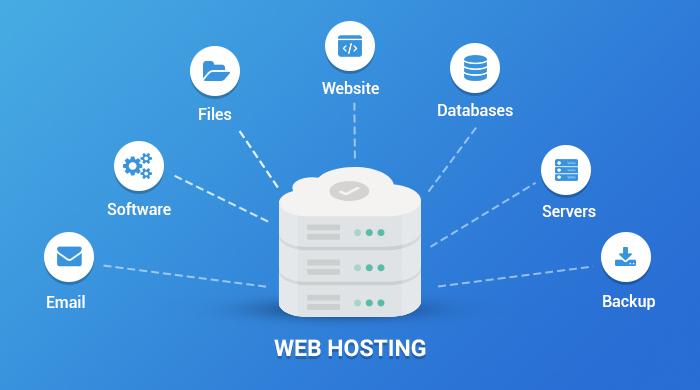
In today’s digital landscape, choosing the right hosting software is crucial for businesses of all sizes. With an array of options on the market, navigating the various licensing models can often feel overwhelming. Whether you are a startup developer, a seasoned IT professional, or a business owner seeking to enhance your online presence, understanding the nuances of hosting software licensing is essential for making informed decisions. In this guide, we’ll unravel the complexities of hosting software licenses—exploring the different types, their implications, and how to select the model that best aligns with your needs. Let’s dive in and empower you to make strategic choices that will pave the way for your success in the digital realm.
Table of Contents
- Understanding the Different Licensing Models in Hosting Software
- Evaluating the Pros and Cons of Subscription-Based vs. Perpetual Licenses
- Navigating Open Source Options: Benefits and Trade-offs
- Best Practices for Selecting the Right Hosting Software License for Your Business
- To Wrap It Up
Understanding the Different Licensing Models in Hosting Software
When navigating the landscape of hosting software, it’s crucial to assess the various licensing models available, as they significantly impact both functionality and costs. Among the most prevalent models are perpetual licenses, where users pay a one-time fee for indefinite access, and subscription licenses, which require periodic payments but often include updates and support. Additionally, some software may operate on a freemium model, offering basic features at no cost while charging for premium functionalities. This can be a great way for businesses to experiment with a product before committing to a financial investment.
Another important aspect to consider is concurrency licensing, which allows a specific number of users to simultaneously access the software, making it ideal for businesses with fluctuating workforce demands. There are also site licenses, enabling unlimited use within a particular organization, typically favored by larger enterprises for its scalability. Utilizing the right licensing model not only aligns with your operational needs but also ensures that your business remains agile and ready for growth.
Evaluating the Pros and Cons of Subscription-Based vs. Perpetual Licenses
When comparing subscription-based licensing models to perpetual licenses, several factors come into play that can significantly influence a user’s choice. Subscription-based models often offer the advantage of lower initial costs. With a monthly or yearly fee, users can access the latest versions of the software without hefty one-time payments. Additionally, they typically come with benefits such as regular updates, tech support, and access to additional features or tools that may develop over time. However, users may find it difficult to commit to ongoing payments, especially if the software may not be used frequently or if they decide to switch to another solution.
On the other hand, perpetual licenses require a larger upfront investment but may be more economical over the long run for users who plan to utilize the software indefinitely. One significant advantage is the control it gives the users; once purchased, they own the software outright without worrying about recurring fees. However, they may miss out on the latest features and updates unless they choose to pay for upgrades separately. Below is a simplified comparison table highlighting these key differences:
| Feature | Subscription-Based | Perpetual License |
|---|---|---|
| Initial Cost | Lower | Higher |
| Payment Structure | Recurring | One-time |
| Access to Updates | Included | Limited |
| Ownership | No | Yes |
| Support Services | Usually Included | Often Extra |
Navigating Open Source Options: Benefits and Trade-offs
When exploring open source alternatives for hosting software, it’s essential to weigh the benefits against the potential drawbacks. Cost-effectiveness is one of the primary advantages; many open source solutions can dramatically reduce licensing fees, enabling organizations to allocate resources elsewhere. Additionally, open source software often boasts a vibrant community for support, fostering a culture of collaborative development and innovation. This participation can lead to rapid updates and a diversification of features that proprietary software may lack.
However, the trade-offs must also be considered. Security is often a concern with open source solutions, as vulnerabilities can go unnoticed longer than in commercial software. Furthermore, relying on community support may lead to inconsistency in the quality and availability of assistance. The following table summarizes the key factors to assess when choosing an open source option:
| Factor | Benefits | Trade-offs |
|---|---|---|
| Cost | Lower licensing fees | Potential hidden support costs |
| Community Support | Active collaboration and updates | Inconsistent quality of assistance |
| Flexibility | Customizable to specific needs | Requires technical expertise |
| Security | Rapid troubleshooting by the community | Longer vulnerability exposure |
Best Practices for Selecting the Right Hosting Software License for Your Business
Choosing the right hosting software license for your business is crucial to ensure both optimal performance and cost-effectiveness. Start by identifying your specific needs and consider the following factors: scalability, support, and security. Scalability allows you to adjust your resources as your business grows, so look for licenses that support easy upgrades. Additionally, evaluate the type of technical support offered—24/7 support can be invaluable during critical times. Lastly, prioritize security features; a good licensing agreement should include robust measures against cyber threats that can jeopardize your business operations.
It’s also essential to understand the different types of licensing models available. Common approaches include perpetual licensing, where you pay a one-time fee for indefinite use, and subscription licensing, which typically involves monthly or annual payments. Evaluate the pros and cons of each model to find the best fit for your budget and operational needs. To facilitate your decision-making process, consider the following comparison table:
| Licensing Model | Advantages | Disadvantages |
|---|---|---|
| Perpetual Licensing | – One-time cost – Long-term ownership |
– High upfront cost – Less flexibility |
| Subscription Licensing | – Lower initial cost – Regular updates and support |
– Ongoing payments – Potential for long-term expense |
To Wrap It Up
navigating the complex world of hosting software and its licensing models can often feel daunting, but with the right knowledge and resources, it becomes significantly more manageable. Understanding the different licensing options—from perpetual licenses to subscription-based models—empowers you to make informed decisions that align with your organization’s needs and budget.
As you’ve seen, each model offers its own set of advantages and drawbacks, and the best choice ultimately depends on your specific requirements, growth projections, and operational strategies. By taking the time to decode these licensing options, you can ensure that your investment in hosting software is both effective and cost-efficient.
We encourage you to continue exploring the specifics of each licensing model and stay updated on industry trends, as this knowledge will serve you well in optimizing your hosting solutions. If you have any questions or would like to share your own experiences with hosting software, feel free to leave a comment below! Thank you for reading, and happy hosting!