
Deciding When to Opt for Shared Hosting for Your Website
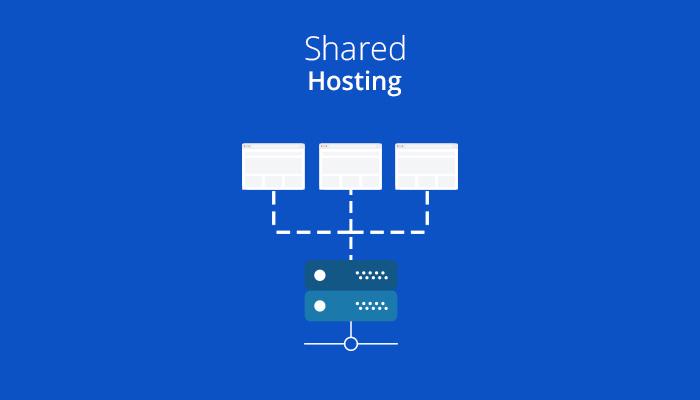
In the ever-evolving digital landscape, selecting the right hosting solution for your website is a critical decision that can significantly impact your online presence. Among the plethora of hosting options available, shared hosting stands out as a popular choice, particularly for startups, small businesses, and personal websites. But how do you know if shared hosting is the right fit for your specific needs? In this article, we will explore the key factors to consider when deciding whether to opt for shared hosting, including cost-effectiveness, ease of use, performance limitations, and scalability. By understanding the benefits and drawbacks of shared hosting, you’ll be better equipped to make an informed decision that aligns with your goals and budget. Whether you’re launching your first blog or looking to establish an online storefront, this guide will provide the insights you need to navigate the hosting landscape with confidence.
Table of Contents
- Understanding the Benefits of Shared Hosting for Small Websites
- Evaluating Your Websites Resource Needs Before Choosing Shared Hosting
- Key Considerations for Budget-Conscious Entrepreneurs
- When to Transition from Shared Hosting to More Robust Solutions
- The Way Forward
Understanding the Benefits of Shared Hosting for Small Websites
Shared hosting offers a plethora of advantages, particularly for small websites looking to establish their online presence without breaking the bank. Affordability is one of the most compelling reasons to choose this hosting type, allowing users to benefit from a shared server environment while optimizing their budgets. This hosting solution typically features straightforward pricing models, enabling smaller businesses and personal projects to allocate funds towards other essential areas such as marketing or content creation. Additionally, simplicity and ease of use are hallmarks of shared hosting services, as they often come equipped with user-friendly control panels and one-click install options for popular content management systems like WordPress, making setup and management a breeze for even the least technically inclined users.
Performance and reliability are also noteworthy aspects of shared hosting. While multiple websites share the same server resources, robust hosting providers ensure that their infrastructure is capable of handling user traffic effectively. This means small websites can still experience reasonable loading times and uptime, which are vital for user satisfaction and SEO rankings. Furthermore, many shared hosting packages offer customer support that is accessible around the clock, assisting users in troubleshooting issues or optimizing their setup. these benefits combined demonstrate why shared hosting is often a go-to choice for small websites aiming for online growth without overextending their resources.
Evaluating Your Websites Resource Needs Before Choosing Shared Hosting
Before selecting a shared hosting plan, it’s crucial to assess your website’s specific resource needs. Understanding the type and volume of traffic your site expects to handle will significantly influence your decision. Key factors to consider include:
- Estimated Traffic: Determine the number of visitors you anticipate and the resources they will consume.
- Content Type: Consider whether your website will feature heavy multimedia content, such as videos or high-resolution images.
- Growth Potential: Evaluate the possible expansion of your site and how hosting needs may evolve.
- Technical Requirements: Identify any specific software or script demands that could impact performance.
After assessing these factors, it’s wise to compare the resource offerings of various shared hosting providers. Different plans offer varying levels of bandwidth, storage space, and email accounts. Below is a simple comparison of typical features:
| Hosting Provider | Bandwidth | Storage | Email Accounts |
|---|---|---|---|
| Provider A | Unmetered | 50 GB | 5 |
| Provider B | 100 GB | Unlimited | 10 |
| Provider C | 300 GB | 20 GB | 5 |
Choosing the right shared hosting option will depend on how these offerings align with your website’s unique demands. By evaluating your resources intelligently, you can ensure a balance between cost and performance, allowing your site to flourish in a shared environment.
Key Considerations for Budget-Conscious Entrepreneurs
For budget-conscious entrepreneurs, choosing shared hosting can be a smart financial decision, especially when starting out. This option offers a cost-effective solution while still providing necessary resources for launching a website. Before committing, consider the following factors:
- Website Traffic and Growth: Estimate your expected traffic. Shared hosting may suffice initially, but if your site grows rapidly, you may need to upgrade.
- Technical Support: Look for hosts that offer 24/7 support; this is crucial for resolving issues quickly and minimizing downtime.
- Security Features: Ensure the hosting provider offers strong security measures, as shared environments can be more vulnerable to attacks.
Additionally, entrepreneurs should evaluate the following aspects to make an informed decision:
- Storage and Bandwidth: Assess the storage limits and bandwidth offered; make sure they align with your website’s needs.
- Scalability Options: Check whether your shared hosting plan allows easy upgrades as your business grows.
- Reputation and Reliability: Research the hosting provider’s uptime history and user reviews to gauge their reliability.
| Factor | Considerations |
|---|---|
| Cost | Compare prices among different providers |
| User Experience | Choose a host with a user-friendly interface |
| Backup Solutions | Look for automated backup options |
When to Transition from Shared Hosting to More Robust Solutions
Knowing when to leave shared hosting behind and explore more robust solutions is a pivotal step in your website’s growth. If you begin to notice signs such as slow loading times, frequent downtime, or increased traffic, it may be time to consider upgrading. Shared hosting can be budget-friendly, but as your audience expands, a constrained server environment can hinder performance. Additionally, if you’re running applications or websites that require specific software configurations or more resources, transitioning to a solution tailored to your needs will ensure stability and reliability.
Here are a few key indicators that you should evaluate:
- Traffic Surge: If your visitors exceed the typical limits of shared hosting, it’s a clear sign.
- Performance Issues: Noticeable lag or page timeouts can be detrimental to user experience.
- Security Requirements: Enhanced security features often found in dedicated or VPS hosting can provide peace of mind.
- Resource Limits: If you’re constantly bumping against CPU or RAM limits, it’s time to think bigger.
Here’s a quick comparison of hosting options that might fit your needs:
| Hosting Type | Best For | Average Cost |
|---|---|---|
| Shared Hosting | Small blogs, startups | $3 – $10/month |
| VPS Hosting | Medium-sized businesses | $20 – $50/month |
| Dedicated Hosting | Large enterprises | $80 – $300/month |
The Way Forward
the decision to opt for shared hosting for your website is a multifaceted one that hinges on your specific needs, budget, and long-term goals. As we’ve explored, shared hosting offers an accessible entry point for website owners, providing essential resources at a fraction of the cost of dedicated alternatives. It’s ideal for small businesses, personal blogs, and those just starting their online journey.
However, it’s crucial to assess factors like traffic expectations, site complexity, and growth potential before making your choice. Remember that while shared hosting can be an economical solution, it may also come with limitations that could hinder your website’s performance as it scales.
Ultimately, the key is to strike a balance between affordability and functionality. By thoroughly evaluating your current requirements and anticipating future growth, you can make an informed decision that best supports your online aspirations.
Thank you for reading! We hope this article has equipped you with the insights to navigate the shared hosting landscape with confidence. If you have any questions or would like to share your own experiences, feel free to leave a comment below. Happy hosting!