
Choosing the Right Time for Dedicated Server Hosting
: A Comprehensive Guide
In today’s digital landscape, where online presence can make or break a business, the importance of reliable hosting cannot be overstated. As your website grows, so do its demands; what once served adequately may become insufficient as traffic surges and user expectations evolve. This is where dedicated server hosting comes into play—a robust solution that provides enhanced performance, greater control, and improved security. However, timing is everything when it comes to making the switch to a dedicated server. In this article, we’ll explore the critical indicators that signal it’s time to consider dedicated server hosting, helping you make an informed decision that aligns with your business objectives and ensures your digital infrastructure can scale alongside your ambitions. Whether you’re a startup on the brink of growth or an established enterprise looking to optimize your resources, understanding the right moment to transition to dedicated hosting can pave the way for success in an increasingly competitive online environment.
Table of Contents
- Understanding Your Business Needs for Dedicated Server Hosting
- Evaluating Traffic Patterns and Resource Demands
- Timing Your Migration for Optimal Performance
- Budgeting for Future Growth and Scalability
- To Conclude
Understanding Your Business Needs for Dedicated Server Hosting
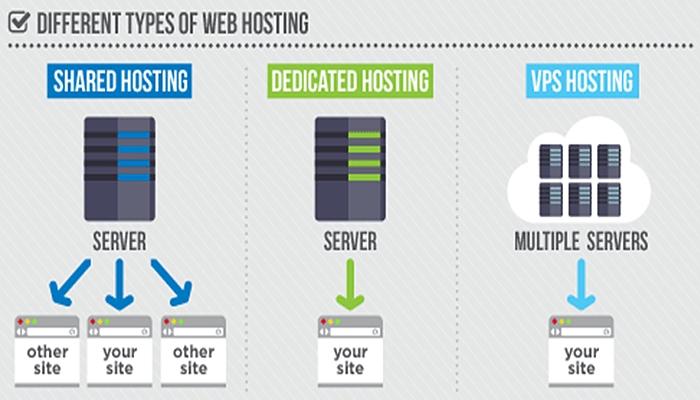
Before committing to dedicated server hosting, it’s essential to analyze the specific requirements of your business. A dedicated server can offer unparalleled performance, control, and security, but these benefits come at a higher cost compared to shared or VPS hosting solutions. Start by evaluating your current traffic levels and growth projections. Consider the following factors:
- Website Traffic: Estimate peak traffic times and how many concurrent users your server needs to support.
- Resource Intensity: Determine application and database complexity to identify required CPU, RAM, and storage.
- Security Requirements: Assess if your operations demand enterprise-level security features to protect sensitive data.
Another critical aspect of understanding your business needs revolves around scalability and flexibility. Dedicated servers are ideal for growing businesses that expect rapid changes in resource demand. Consider your future goals and how a dedicated server can fit into your long-term strategy. Use the following table to help visualize your potential requirements:
| Business Stage | Hosting Needs |
|---|---|
| Startup | Shared hosting or VPS to minimize costs. |
| Growth (1-2 years) |
Transitioning to VPS with dedicated resources. |
| Established (3+ years) |
Dedicated server for optimal performance and support. |
Evaluating Traffic Patterns and Resource Demands
Understanding traffic patterns is essential when considering dedicated server hosting. By analyzing how visitors interact with your website over time, you can identify peak traffic periods and adjust your hosting plans accordingly. This not only ensures that your server can handle increased load during busy times but also helps in optimizing costs when traffic is low. Tracking visitor behaviour using tools like Google Analytics can reveal valuable insights, such as:
- Time of Day: Determine when users are most active.
- Days of the Week: Identify trends in traffic across weekdays and weekends.
- Seasonal Variations: Anticipate changes in demand during specific times of the year.
Alongside traffic evaluation, it’s crucial to assess your website’s resource demands. Different types of websites have varying resource needs, influenced by factors such as user interactions, media richness, and dynamic content generation. It’s wise to conduct a thorough review of your current server performance and future necessities to ensure that you select a dedicated server that can accommodate your requirements. Consider creating a simple table to compare the average resource usage of your current setup against potential scenarios:
| Scenario | CPU Usage | RAM Usage | Disk I/O |
|---|---|---|---|
| Current Traffic | 40% | 60% | Low |
| Peak Traffic (Event Launch) | 75% | 90% | High |
| Rapid Growth Scenario | 60% | 70% | Medium |
Timing Your Migration for Optimal Performance
The timing of your migration to dedicated server hosting can significantly impact your website’s performance. To ensure a smooth transition and minimize downtime, consider migrating during off-peak hours, such as late at night or early in the morning. This strategy reduces the risk of disrupting user experience, allowing you to address any potential issues without the added pressure of live traffic. Additionally, monitoring your site’s analytics can help identify periods of lower activity, making it easier to pinpoint the optimal time for migration.
Another important factor is the seasonality of your business. If you operate in an industry with pronounced fluctuations—such as e-commerce during holiday seasons or educational sectors overlapping with academic calendars—timing your migration to coincide with slower periods can enhance your site’s overall effectiveness. Below is a simple overview of preferred migration windows based on industry patterns:
| Industry | Recommended Migration Window |
|---|---|
| E-commerce | Post-holiday season (Jan-Feb) |
| Education | Summer break (Jun-Aug) |
| Hospitality | Post-summer (Sep-Oct) |
| Finance | End of fiscal quarter (Apr, Jul, Oct) |
Budgeting for Future Growth and Scalability
When considering dedicated server hosting, it’s essential to plan your finances effectively for anticipated growth and scalability. Allocating your budget wisely means not only covering the immediate costs associated with dedicated servers but also preparing for future demands. Here are some crucial factors to consider:
- Infrastructure costs: Factor in both hardware and software needs, ensuring they can handle increased loads.
- Maintenance and upgrades: Set aside funds for regular maintenance and potential future upgrades to keep your server optimal.
- Traffic projections: Analyze current traffic growth trends to anticipate necessary expansions.
- Data backups and security: Invest in robust backup solutions and security measures to protect your data as your business scales.
To streamline your budgeting process, consider creating a simple table that outlines the expected costs associated with different levels of server usage. This approach can provide a clear visual representation of your financial projections, helping you to make informed decisions.
| Server Usage Level | Expected Monthly Cost | Key Features |
|---|---|---|
| Basic | $200 | 1 CPU, 8 GB RAM, 500 GB Storage |
| Intermediate | $400 | 2 CPUs, 16 GB RAM, 1 TB Storage |
| Advanced | $800 | 4 CPUs, 32 GB RAM, 2 TB Storage |
By projecting your costs in advance and aligning your budgeting with growth potentials, you can position your business effectively for a seamless transition into dedicated server hosting. This proactive approach will ensure that you are not only equipped to manage peak loads but also ready to leverage increased opportunities as they arise.
To Conclude
choosing the right time for dedicated server hosting is a pivotal decision that can significantly influence your business operations and online performance. As we’ve discussed, various factors such as website traffic, resource requirements, scalability, and your long-term strategic goals play critical roles in this choice. By assessing your current needs and anticipating future demands, you can ensure that your transition to dedicated server hosting is not only timely but also seamless.
Remember, investing in dedicated server hosting is not just about the present—it’s about laying a strong foundation for future growth. Whether you’re experiencing rapid traffic increases, encountering performance bottlenecks, or expanding your service offerings, the right timing can optimize your resources and enhance user experience.
If you find yourself navigating this decision, don’t hesitate to consult with hosting experts or service providers who can provide tailored advice and solutions that meet your unique requirements. Ultimately, the right time to make the leap to a dedicated server is when it aligns perfectly with your business goals and operational needs, ensuring that your online presence remains robust and resilient.
Thank you for joining us on this exploration of dedicated server hosting timing. We hope this guide equips you with the insights needed to make an informed decision. Happy hosting!