
Choosing the Right Hosting Software for Your Business Needs
In today’s digital landscape, choosing the right hosting software for your business is more critical than ever. With an array of options available, from cloud solutions to dedicated servers, the decision can feel overwhelming. The right hosting software not only impacts the performance and reliability of your website but also influences factors such as scalability, security, and cost-effectiveness. Whether you’re a small startup or an established enterprise, the choice you make can set the stage for future growth and success. In this article, we’ll explore the key considerations to keep in mind when selecting hosting software tailored to your specific business needs, helping you navigate the myriad options and ultimately make an informed decision that aligns with your goals. Grab a cup of coffee and let’s dive into the essential factors that will guide you through this pivotal choice.
Table of Contents
- Understanding Different Types of Hosting Solutions for Diverse Business Models
- Key Features to Look for When Evaluating Hosting Software
- Assessing Performance and Scalability Needs for Long-Term Growth
- Cost vs. Value: Finding the Right Balance in Hosting Software Investment
- In Conclusion
Understanding Different Types of Hosting Solutions for Diverse Business Models
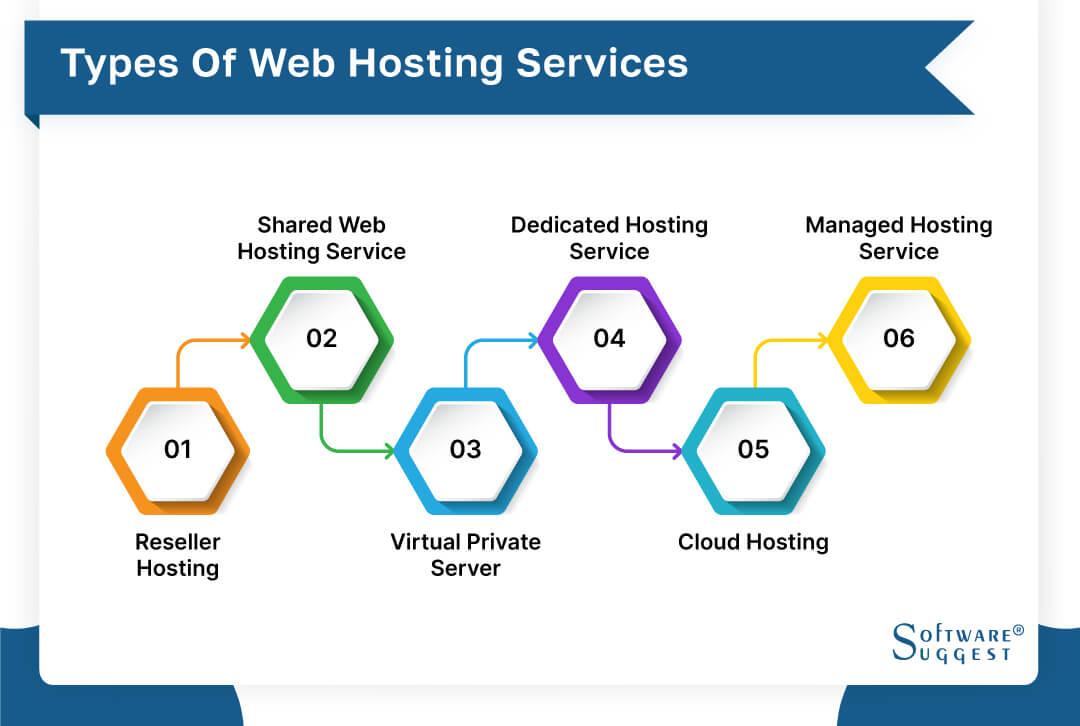
In the ever-evolving landscape of web hosting, it’s crucial to understand the various hosting solutions available to cater to your specific business model. Each type of hosting comes with its unique features and advantages. For instance, shared hosting is an economical solution ideal for startups and small businesses looking for budget-friendly options. Conversely, VPS (Virtual Private Server) hosting offers greater flexibility and control, making it suitable for medium-sized businesses experiencing increased traffic. For enterprises requiring uncompromised performance and security, dedicated hosting can be the ultimate choice, allowing full server resources and customization tailored to specific workloads.
When it comes to e-commerce or high-traffic sites, managed WordPress hosting can significantly enhance site performance. This type of hosting not only includes server management but also offers automatic updates and enhanced security measures, tailored specifically for WordPress users. Below is a quick comparison of different hosting types and their ideal use cases:
| Hosting Type | Best For | Key Features |
|---|---|---|
| Shared Hosting | Small Business, Startups | Cost-effective, Easy to Use |
| VPS Hosting | Growing Businesses | Increased control, Scalable resources |
| Dedicated Hosting | Large Enterprises | Full server resources, High security |
| Managed WordPress Hosting | WordPress Users, E-commerce | Optimized for WordPress, Enhanced security |
Key Features to Look for When Evaluating Hosting Software
When assessing hosting software for your business, it’s crucial to prioritize certain key features that can significantly impact performance and usability. First and foremost, consider the scalability of the solution. As your business grows, your hosting needs will likely change, and having software that can easily accommodate increased traffic or resource demands is essential. Look for capabilities like automatic resource allocation, which can help you manage varying levels of demand without downtime.
Another vital aspect to evaluate is the software’s security features. In today’s digital landscape, ensuring that your data and customer information is secure should be a top priority. Look for hosting services that offer features such as SSL certificates, DDoS protection, and regular backups to safeguard against potential threats. Additionally, consider the user interface and customer support provided by the hosting software. An intuitive interface can streamline your management tasks, while responsive customer support can resolve potential issues swiftly, minimizing disruptions to your business operations.
Assessing Performance and Scalability Needs for Long-Term Growth
To ensure that your business’s online presence remains robust as it grows, it’s vital to assess both performance and scalability requirements early on. Consider factors such as the anticipated growth in traffic, the number of applications you plan to run simultaneously, and the types of services you aim to offer. Here are some critical performance metrics to evaluate:
- Load Time: How quickly does your website respond under various traffic conditions?
- Uptime Guarantee: What is the host’s track record for reliability? Seek options that promise 99.9% uptime or higher.
- Resource Allocation: Will you have sufficient bandwidth and CPU resources to handle peak traffic periods?
As your business scales, your hosting software should adapt seamlessly. Opt for solutions with a proven ability to support horizontal and vertical scaling without significant downtime. Assess whether your chosen platform offers flexible plans so you can upgrade or downgrade without hassle. To help visualize your requirements, refer to the following table outlining various hosting types alongside their scalability features:
| Hosting Type | Scalability Feature | Best For |
|---|---|---|
| Shared Hosting | Limited scalability | Small businesses and blogs |
| VPS Hosting | Moderate scalability | Growing websites needing more control |
| Dedicated Hosting | High scalability | Large enterprises requiring extensive resources |
| Cloud Hosting | Dynamic scalability | Businesses with fluctuating traffic patterns |
Cost vs. Value: Finding the Right Balance in Hosting Software Investment
When evaluating hosting software, it’s crucial to understand the distinction between cost and value. While the upfront costs of a hosting solution can be enticing, it’s essential to delve deeper into what that price tag represents. A lower-cost option may come with limited features, inadequate support, or poor performance, ultimately leading to higher long-term expenses. On the other hand, a more expensive package might offer advanced features such as scalability, enhanced security, and dedicated customer support, which can significantly enhance your business operations. To truly evaluate an option, consider the following factors that contribute to overall value:
- Performance and Reliability: Does the software maintain high uptime and speed?
- Customer Support: Is there 24/7 assistance available?
- Scalability: Can it grow with your business needs?
- Security Features: Are there robust measures to protect your data?
To illustrate this balance further, consider creating a simple comparison table outlining the key features of several hosting options aligned with their pricing. This visual representation can make it easier to determine where the value is found in your potential investment:
| Hosting Provider | Monthly Cost | Key Features |
|---|---|---|
| Provider A | $10 | Basic support, no SSL, limited storage |
| Provider B | $25 | 24/7 support, SSL, scalable plans, daily backups |
| Provider C | $50 | Managed services, advanced security, optimized performance |
By analyzing these aspects, you can make a more informed decision, ensuring that your choice not only fits your budget but also delivers the value necessary to support your business’s growth.
In Conclusion
selecting the right hosting software for your business is a critical decision that can significantly impact your online presence and overall efficiency. By carefully evaluating your specific needs—whether it be scalability, security, or ease of use—you can make an informed choice that aligns with your business goals. Remember to consider factors such as customer support, reliability, and pricing structures to ensure that you’re investing in a solution that not only meets your current demands but also adapts as your company grows.
As you embark on this journey, don’t hesitate to seek expert advice or read user reviews to gain insights into the experiences of others. With the right hosting software, you can create a robust foundation for your business’s online operations, paving the way for success in a competitive digital landscape.
Thank you for joining us on this exploration of hosting solutions. We wish you the best of luck in your decision-making process and hope you find the ideal software that propels your business forward! Feel free to share your thoughts or experiences in the comments section below. Happy hosting!