
Choosing the Right Hosting Software for Shared Hosting Providers
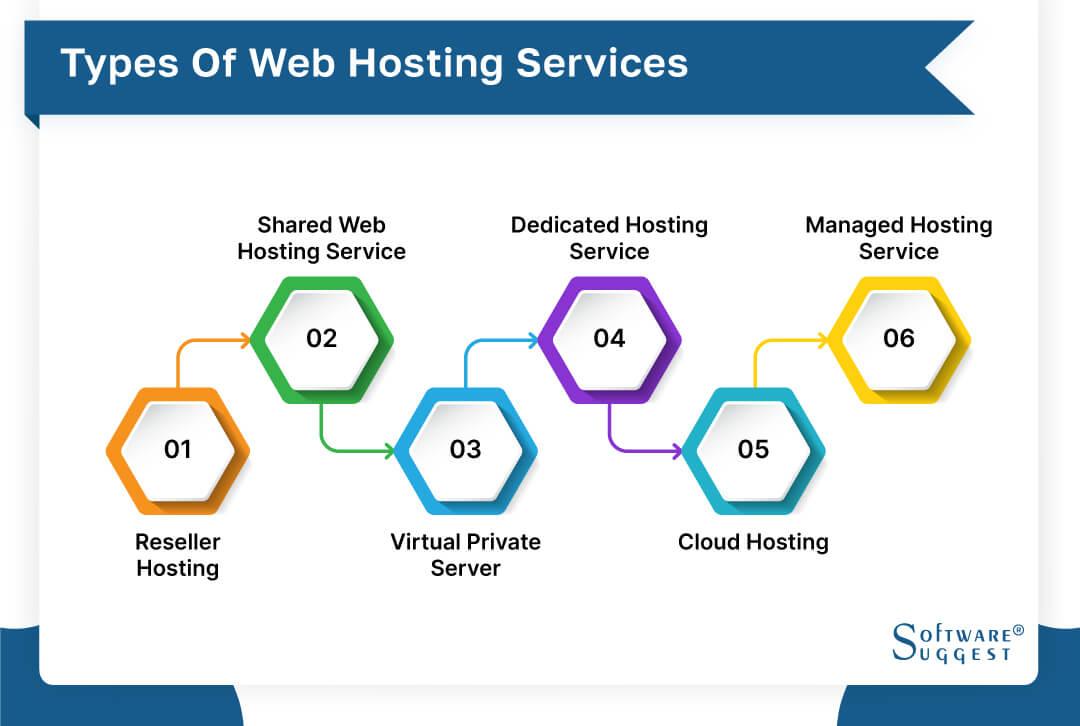
In today’s digital landscape, where websites are the lifeblood of businesses and personal brands alike, selecting the right hosting software is paramount for shared hosting providers. As more individuals and small enterprises look for cost-effective solutions to establish their online presence, the demand for reliable and efficient shared hosting services continues to surge. However, with a multitude of options available, the decision-making process can be overwhelming.
In this article, we will explore the critical factors to consider when choosing hosting software tailored specifically for shared hosting environments. From performance and scalability to security and customer support, we will guide you through the essential features that can enhance user experience while ensuring that your hosting infrastructure remains robust and efficient. Whether you’re a seasoned hosting provider or just starting in the field, understanding these key elements will empower you to make informed decisions that promote growth and customer satisfaction. Let’s dive into the core components that define the ideal hosting software for shared hosting providers.
Table of Contents
- Understanding the Key Features of Shared Hosting Software
- Evaluating Performance and Reliability Metrics for Optimal User Experience
- Security Considerations: Safeguarding Data in Shared Hosting Environments
- Choosing the Right Scalability Options to Support Future Growth
- In Retrospect
Understanding the Key Features of Shared Hosting Software
When selecting software for shared hosting, it’s crucial to prioritize key features that enhance user experience and ensure efficient server management. A robust control panel is essential, allowing users to easily manage their websites, databases, and domains through an intuitive interface. Popular options like cPanel and Plesk provide seamless functionality, enabling users to handle tasks such as file uploads, email management, and software installations with minimal technical expertise. Other critical features include automated backups, ensuring data protection, and scalability, which enables users to upgrade their plans as their sites grow.
Furthermore, the performance of shared hosting software greatly affects website speed and reliability. Look for solutions that incorporate content delivery networks (CDNs) for optimizing loading times and security measures such as firewalls and malware detection to safeguard sites from threats. Each hosting provider may offer varying levels of support; therefore, 24/7 customer service is invaluable for resolving issues swiftly. Keeping these elements in mind will help ensure that your shared hosting service stands out in a competitive market.
Evaluating Performance and Reliability Metrics for Optimal User Experience
When selecting hosting software for shared hosting providers, it’s essential to focus on metrics that reflect both performance and reliability. Key metrics such as uptime, loading speed, and resource allocation can significantly influence user satisfaction. A reliable hosting service should ideally maintain an uptime of 99.9% or higher, ensuring that websites remain accessible to users without interruptions. Additionally, the loading speed should be under 2 seconds, as research indicates that even a one-second delay can lead to a considerable drop in user engagement. Effective resource allocation, particularly in shared environments, allows multiple users to benefit from ample CPU and memory without experiencing slowdowns during peak usage times.
To better understand how different hosting software options stack up against each other, consider the following comparison of essential performance metrics:
| Hosting Software | Uptime | Loading Speed (seconds) | Resource Allocation (per user) |
|---|---|---|---|
| Software A | 99.95% | 1.8 | 1 GB RAM, 1 CPU Core |
| Software B | 99.9% | 2.0 | 512 MB RAM, 1 CPU Core |
| Software C | 99.8% | 1.5 | 2 GB RAM, 2 CPU Cores |
evaluating these metrics will provide insight into the quality of user experience each hosting software delivers. A hosting provider that consistently meets or exceeds these standards fosters trust and satisfaction within its user base, ultimately leading to higher retention rates and positive reviews.
Security Considerations: Safeguarding Data in Shared Hosting Environments
Ensuring robust security in shared hosting environments is paramount, given the multi-tenant nature where multiple websites reside on a single server. The risk of unauthorized access increases when users share resources, making it essential to implement stringent security measures. Hosting providers should consider leveraging technologies such as firewalls, VPNs, and intrusion detection systems to enhance overall security. Additionally, employing proactive monitoring tools can help identify and mitigate potential threats before they escalate.
Best practices for safeguarding data should include the following strategies:
- Regular updates: Keep all software and applications up-to-date to protect against vulnerabilities.
- Data encryption: Utilize SSL certificates and encrypt sensitive data both at rest and in transit.
- Access controls: Implement strong authentication mechanisms and restrict user permissions to minimize risks.
- Backup solutions: Ensure that regular backups are performed to recover data in the event of a breach or data loss.
| Security Measure | Description |
|---|---|
| Firewalls | Filter incoming and outgoing traffic for malicious activity. |
| Encryption | Secures data during transmission and storage to prevent unauthorized access. |
| Regular Backups | Facilitates data recovery and minimizes downtime in case of incidents. |
Choosing the Right Scalability Options to Support Future Growth
When selecting hosting software, it is essential to consider scalability options that align with your anticipated growth trajectory. Flexible architecture allows you to seamlessly adjust resources based on demand, enabling your business to respond dynamically to varying workloads. Some key factors to assess include:
- Resource Allocation: Opt for software that offers easy resource scaling, allowing you to allocate additional CPU, memory, or storage as needed.
- Automation Features: Look for solutions that incorporate automated provisioning and management tools to save time and reduce human error.
- Compatibility with Cloud Solutions: Ensure that your hosting software can integrate with cloud services to facilitate a hybrid approach when needed.
Additionally, understanding the pricing model is crucial for long-term sustainability. Transparent and flexible pricing structures enable you to manage expenses without unexpected costs hindering your growth. The following table highlights popular pricing models associated with scalability:
| Pricing Model | Description |
|---|---|
| Pay-as-you-go | Costs based on actual resource usage, ideal for unpredictable traffic. |
| Monthly Subscription | Fixed monthly fees for set resources, offering budget predictability. |
| Tiered Pricing | Structured pricing based on predefined usage tiers, beneficial for growing businesses. |
In Retrospect
selecting the right hosting software for your shared hosting services is an essential step toward ensuring the success and reliability of your offerings. The landscape of web hosting is continually evolving, and providers must stay ahead of the curve by choosing software that not only meets the technical requirements but also enhances user experience.
By evaluating factors such as scalability, security, ease of use, and customer support, you can align your hosting solutions with the needs of your clients. Remember that the ideal software should empower you to deliver exceptional performance while simplifying management tasks.
Investing time in research and understanding the unique aspects of each software option can lead to significant long-term benefits for both you and your customers. With the right hosting software, your shared hosting business can thrive, providing a stable foundation for growth in a competitive market.
Thank you for joining us on this exploration of shared hosting software choices. We hope the insights shared here guide you in making informed decisions that will propel your hosting service to new heights. Happy hosting!